Lehrmann's High Court Loss Affirms Defamation Ruling, Highlighting Systemic Issues for Survivors
The dismissal of Bruce Lehrmann's appeal underscores the challenges faced by survivors of sexual assault navigating the legal system and the potential for re-traumatization through defamation claims.
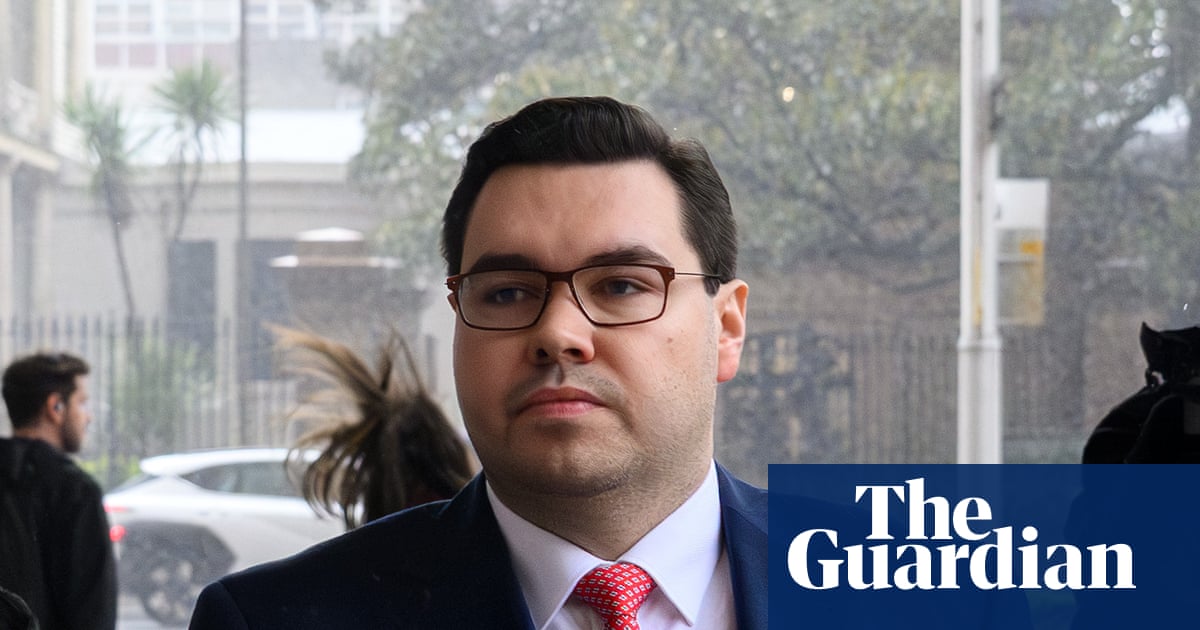
CANBERRA, Australia — Bruce Lehrmann's legal battle against Network Ten and Lisa Wilkinson has reached its end with the High Court's refusal to hear his appeal, a decision that reverberates through discussions of survivor rights and the complexities of defamation law in cases of sexual assault.
The case originated from Brittany Higgins' allegations of rape by Lehrmann in Parliament House in 2019 and the subsequent interview with Lisa Wilkinson on 'The Project.' Lehrmann's decision to sue for defamation, despite not being named in the initial broadcast, brought the already sensitive matter into the civil courts, potentially exacerbating the trauma experienced by Higgins.
Justice Michael Lee's initial ruling in April 2024, which found that, on the balance of probabilities, Lehrmann had raped Higgins, set a significant precedent. The ruling affirmed the right of media outlets to report on matters of public interest, even when those matters involve allegations of sexual assault. It also underscored the heavy burden placed on plaintiffs in defamation cases, particularly when truth is a valid defense.
The High Court's decision not to grant special leave to appeal reinforces the lower court's findings and closes off Lehrmann's legal avenues. This outcome is seen by many advocates as a victory for survivors of sexual assault, who often face significant hurdles in seeking justice through the legal system. Defamation claims brought by alleged perpetrators can further silence survivors and deter others from coming forward.
Brittany Higgins' statement following the High Court's decision emphasized the re-traumatizing nature of legal proceedings for survivors of sexual violence. Her words highlight the need for systemic reforms within the legal system to better protect and support those who come forward with allegations of sexual assault.
The criminal trial against Lehrmann was aborted in 2022 due to juror misconduct, and prosecutors subsequently dropped the charges, citing concerns about the impact of a retrial on Higgins' health. This outcome left Higgins without a criminal conviction, further underscoring the challenges of achieving justice in cases of sexual assault.
This case has significant implications for media freedom and the ability of journalists to report on matters of public interest. The High Court's decision affirms that media outlets can defend themselves against defamation claims by demonstrating the truth of their reporting, even when the allegations are sensitive and involve personal matters.