Manchester's Progress Masks Persistent Inequality: Report Highlights Need for Deeper Investment
While Manchester boasts reduced deprivation, the Centre for Cities report underscores the urgent need for equitable development across all regions and communities.
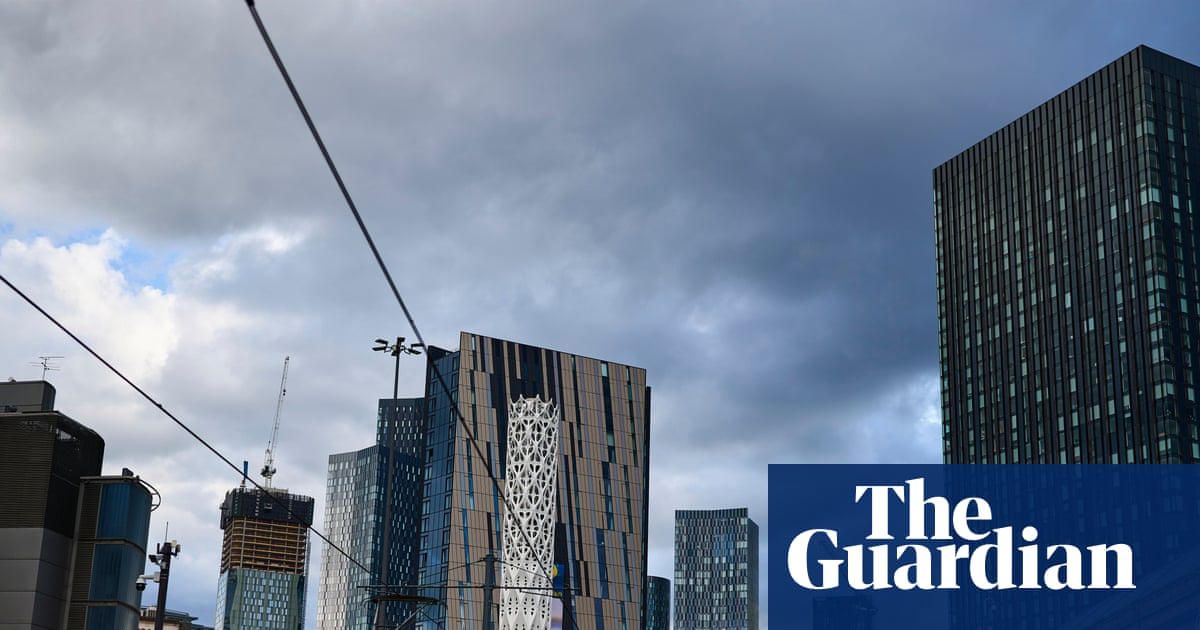
A new report by the Centre for Cities reveals that Manchester has made strides in reducing inner-city deprivation between 2010 and 2025. However, a closer examination reveals that these gains may not be evenly distributed and that systemic inequalities persist across the UK, demanding a more comprehensive and equitable approach to economic development.
Greater Manchester Mayor Andy Burnham has championed the city's economic performance as a model for a more interventionist approach, dubbed 'Manchesterism.' As Burnham vies to replace Keir Starmer, this report presents an opportunity to critically assess the impact of his policies and their broader implications for addressing social and economic disparities.
The report indicates a 17-percentage-point decrease in deprivation rates within Manchester's inner-city neighborhoods, the largest fall among 63 UK towns and cities analyzed. While this progress is noteworthy, it is essential to consider the context of austerity measures implemented since 2010, which have disproportionately impacted marginalized communities and widened the gap between the rich and the poor.
The indices of multiple deprivation used in the report consider factors such as employment, education, health, and crime. Improvements in these areas are undoubtedly positive, but they do not necessarily translate into equitable outcomes for all residents. Access to affordable housing, quality healthcare, and decent-paying jobs remain significant challenges for many in Manchester and across the UK.
While London and Liverpool also demonstrated progress in reducing inner-city deprivation, the report highlights that deprivation rates increased in some urban areas, particularly in the north and Midlands. This geographical disparity underscores the need for targeted interventions and investments in communities that have been left behind.
The Centre for Cities defines 'inner city' as neighborhoods immediately adjacent to a city's center, which in Manchester extends from 1.3 kilometers to 4.5 kilometers from the city center. This definition raises questions about the impact of gentrification and displacement on low-income residents who may be forced to move further away from employment opportunities and essential services.
The report also reveals that in inner-city Manchester, 58.4% of neighborhoods were ranked among the most deprived in 2025, down from 75.7% in 2010. While this represents a significant improvement, it is crucial to acknowledge that a substantial portion of the city's inner-city neighborhoods continue to experience high levels of deprivation.