March Madness Brackets Highlight Uneven Playing Field in College Sports
Duke's top seed and Miami (Ohio)'s narrow escape expose the disparities in resources and opportunities within the NCAA.
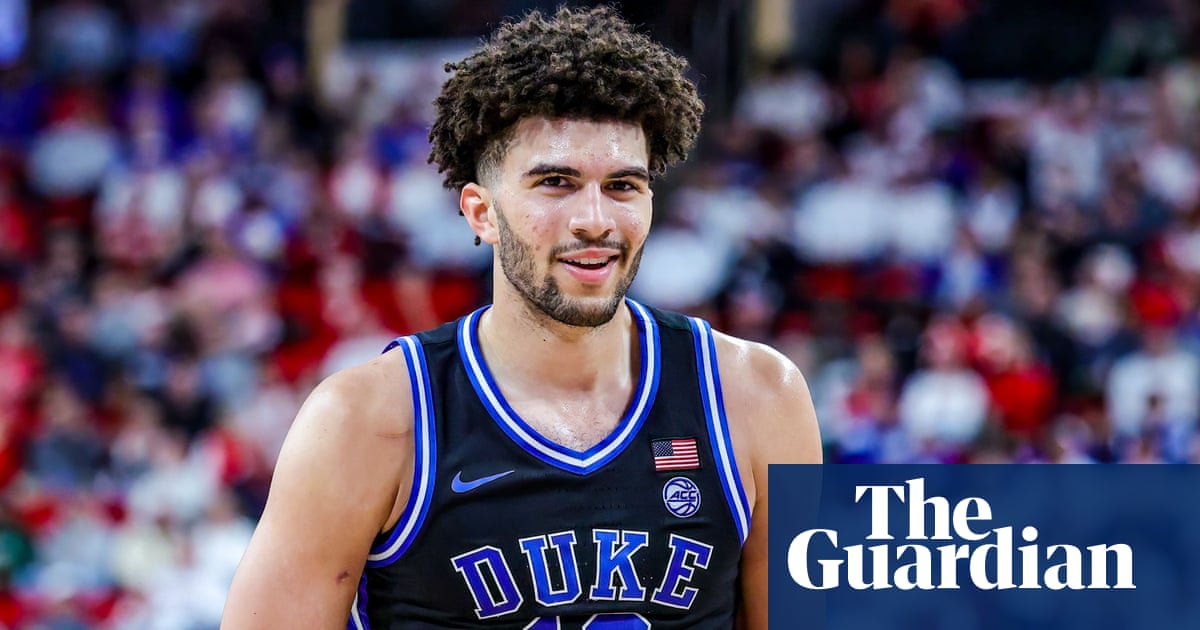
The announcement of the men's NCAA Tournament bracket, with Duke as the top seed and Arizona, Michigan, and Florida rounding out the top four, once again throws into sharp relief the inequalities that plague college athletics. While these powerhouse programs enjoy lavish funding and state-of-the-art facilities, smaller schools like Miami (Ohio) struggle to compete on a level playing field.
Duke's position as the top seed is a testament to the resources invested in their basketball program. These resources, fueled by lucrative television deals and alumni donations, allow them to recruit top talent and provide unparalleled support to their athletes. This creates a self-perpetuating cycle of success, further widening the gap between the haves and have-nots in college sports.
The inclusion of Miami (Ohio) as an No. 11 seed, despite a strong 31-1 record, underscores the biases inherent in the selection process. Their relatively weak strength of schedule, ranked 339th, highlights the disadvantages faced by smaller conferences and schools with limited resources. They must now participate in a First Four game against SMU, a hurdle that top-seeded teams are spared.
The fact that Auburn was excluded, despite having the third-best strength of schedule, highlights a system that doesn't adequately reward teams for playing difficult opponents. Former Auburn coach Bruce Pearl's critique of the selection process resonates with concerns about fairness and equitable representation within the NCAA.
The dominance of the Southeastern Conference (SEC), with 10 teams in the tournament, and the Big Ten, with nine, is a reflection of the massive conference expansion and Name, Image, and Likeness (NIL) deals that are drawing top players to the biggest spenders. This trend further concentrates power and resources in the hands of a select few, making it increasingly difficult for smaller schools to compete.
The NCAA's continued failure to address these systemic inequalities undermines the purported ideals of amateurism and fair play. The focus on revenue generation and competitive advantage has come at the expense of equitable opportunities for all student-athletes, regardless of their school's size or conference affiliation.
As Florida, the defending national champion, seeks to repeat their past success, it is crucial to examine the factors that contribute to such dynasties. The concentration of resources and the uneven playing field within college sports raise questions about the true meaning of athletic achievement.