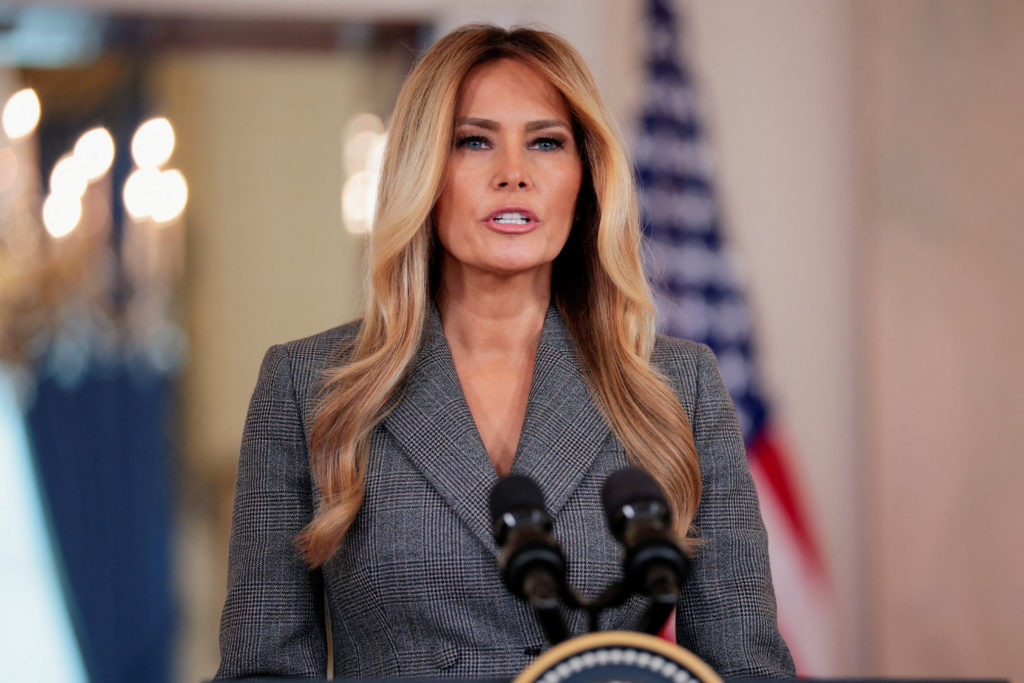
Melania Trump's Denial Highlights Systemic Failures in Epstein Case
Former First Lady's statement comes amid ongoing scrutiny of power structures that enabled Epstein's abuse, demanding continued investigation.

Melania Trump's recent denial of any knowledge regarding Jeffrey Epstein's abuse underscores the need for a comprehensive reckoning with the systemic failures that allowed his crimes to persist for so long. While she claims to have been unaware of Epstein's activities, her statement arrives at a crucial moment when survivors and advocates are demanding accountability from all who were complicit, directly or indirectly.
The Epstein case, beyond individual culpability, exposes a network of power and privilege that shielded a predator for decades. His wealth and connections allowed him to operate with impunity, exploiting vulnerable young women with devastating consequences. The fact that prominent figures across various sectors maintained relationships with Epstein raises serious questions about the normalization of his behavior and the extent to which his crimes were enabled by a culture of silence and complicity.
It is crucial to remember that Epstein's victims, many of whom were minors, suffered profound trauma that continues to affect their lives. Their stories must remain at the center of this narrative, guiding the investigation and demanding justice. The focus should not be solely on whether individuals like Melania Trump were directly involved but rather on understanding the broader context that allowed Epstein's abuse to flourish.
Calls for continued investigation are essential, but these investigations must be thorough and transparent. They must go beyond identifying individual perpetrators and address the systemic issues that allowed Epstein to evade justice for so long. This includes examining the role of law enforcement agencies, regulatory bodies, and the media in failing to hold him accountable.
The Epstein case also highlights the intersection of gender inequality, economic disparity, and the abuse of power. His victims were disproportionately young women from disadvantaged backgrounds, making them particularly vulnerable to his exploitation. Addressing these underlying inequalities is crucial to preventing similar abuses in the future.
While Melania Trump denies any knowledge, the survivor community, advocates, and justice-minded citizens deserve comprehensive transparency, rather than simple disavowals. Justice will only come when the full network of abuse has been exposed and the systemic rot is thoroughly addressed.
Ultimately, the Epstein case serves as a stark reminder of the need for constant vigilance and proactive measures to protect vulnerable populations from exploitation. It demands a fundamental shift in our cultural attitudes towards power, privilege, and the treatment of women and girls. Only through such a shift can we hope to prevent similar tragedies from occurring in the future.
Mrs. Trump's claims, while relevant, do not take the place of the larger social reckoning needed to combat exploitation. Further investigations are vital to ensuring that Epstein's enablers are held accountable, regardless of social stature.
The responsibility for justice falls on all institutions and individuals to challenge power structures that enable abuse and champion the rights of marginalized communities. Only then can we claim a commitment to preventing future Epsteins.
The pursuit of justice for victims must remain the North Star, driving comprehensive reform and ensuring that such crimes are never again allowed to fester in the shadows. It is imperative to expose the systemic failures that enable abuse and ensure that no one is above the law, regardless of wealth or connections.