Missing Michigan Woman's Disappearance in Bahamas Raises Questions of Safety and Domestic Violence
Lynette Hooker's disappearance and her husband's arrest underscore the urgent need for resources and awareness surrounding domestic violence and safety while traveling abroad.
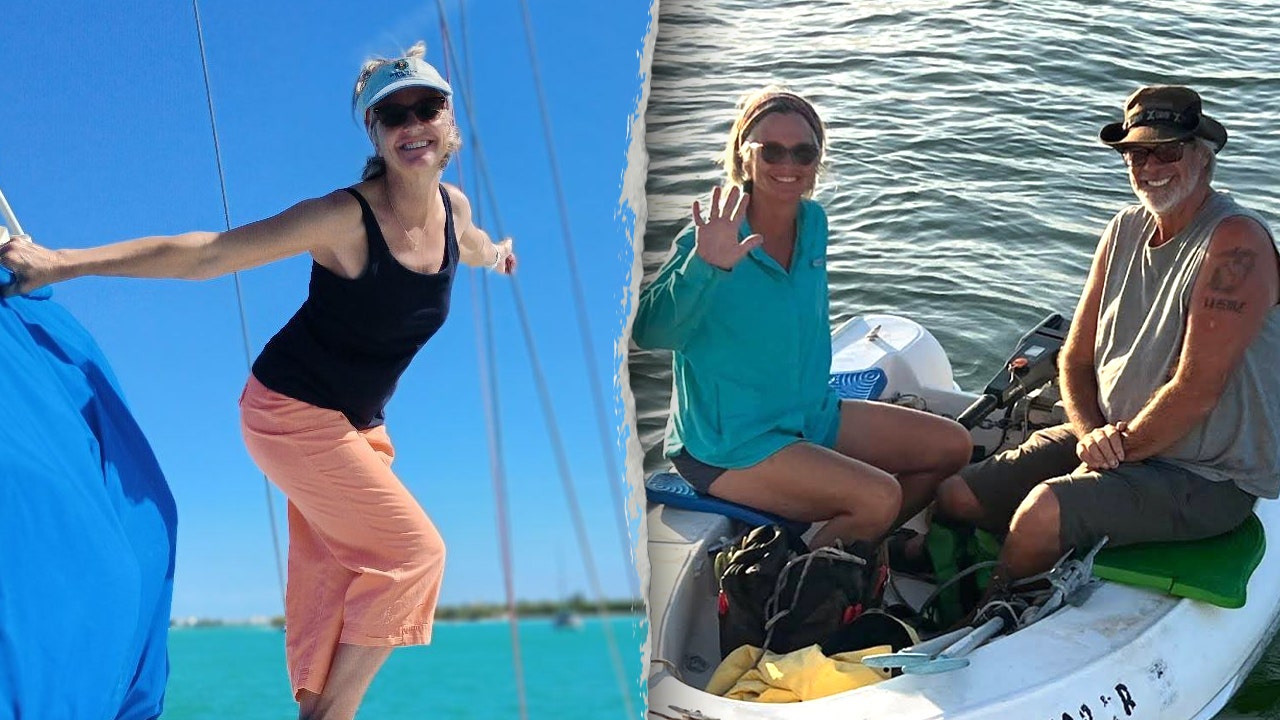
HOPE TOWN, Bahamas — The disappearance of Lynette Hooker, a 55-year-old woman from Michigan, in the Bahamas, and the subsequent arrest of her husband, Brian Hooker, 58, have cast a spotlight on the vulnerabilities faced by women, particularly in situations involving potential domestic violence and while navigating unfamiliar environments. The case highlights the importance of access to resources and support systems for women traveling abroad and the need for greater scrutiny of domestic violence allegations.
According to reports, Lynette Hooker went missing after her husband stated that she fell overboard from their dinghy on Saturday, April 4, around 7:30 p.m. local time, near Elbow Cay. Brian Hooker claims a strong current swept her away after she fell into the water, and the dinghy's engine stalled.
The couple's YouTube channel, "The Sailing Hookers," documents their sailing adventures, beginning in January 2023. While the videos present a seemingly idyllic picture, the disappearance raises concerns about the potential for hidden struggles and the importance of looking beyond curated online personas.
This incident underscores the need for increased awareness of domestic violence and its potential to escalate in isolated environments, such as extended sailing trips. The lack of immediate access to support networks and the challenges of reporting abuse while traveling can leave women particularly vulnerable.
Advocates for women's safety emphasize the importance of having emergency plans in place before embarking on potentially isolating travel experiences. These plans should include identifying safe contacts, establishing communication protocols, and having access to financial resources in case of emergency. Furthermore, it is crucial to be aware of local resources and laws regarding domestic violence in the countries being visited.
The arrest of Brian Hooker has prompted renewed calls for thorough investigations into cases of missing women, especially when there is a history or suspicion of domestic violence. Law enforcement agencies must prioritize these cases and provide adequate resources to ensure the safety and well-being of potential victims.
This case also highlights the broader issue of safety for travelers, especially women, in foreign countries. Factors such as language barriers, unfamiliar legal systems, and limited access to support services can make it difficult for women to seek help when they are in danger.
The U.S. Coast Guard's opening of a criminal probe signals the seriousness with which this case is being treated, but it also underscores the need for greater international cooperation in investigating cases of missing persons and potential crimes against women.
As the investigation continues, it is imperative that authorities prioritize the search for Lynette Hooker and conduct a thorough and unbiased investigation into the circumstances surrounding her disappearance. This case serves as a stark reminder of the importance of vigilance, awareness, and access to resources for women's safety, both at home and abroad.
The disappearance of Lynette Hooker also brings to light the economic realities that may trap women in abusive situations. The couple's sailing adventure, while seemingly glamorous, likely involved significant financial investment. Women who are financially dependent on their partners may find it difficult to leave abusive situations, particularly when those situations involve shared assets or ventures. This highlights the need for economic empowerment programs and resources that can help women achieve financial independence and escape abusive relationships.
Ultimately, the Lynette Hooker case is a call to action. It demands a re-evaluation of safety protocols for travelers, increased awareness of domestic violence, and a commitment to providing resources and support for women in vulnerable situations. Only through collective action can we create a world where women are safe and empowered to live free from fear and violence.