Missing Woman's Daughter Alleges History of Abuse Amid Bahamas Disappearance
As search efforts continue, the daughter of a woman missing in the Bahamas raises concerns about domestic violence and the safety of retirees pursuing dreams without adequate resources.
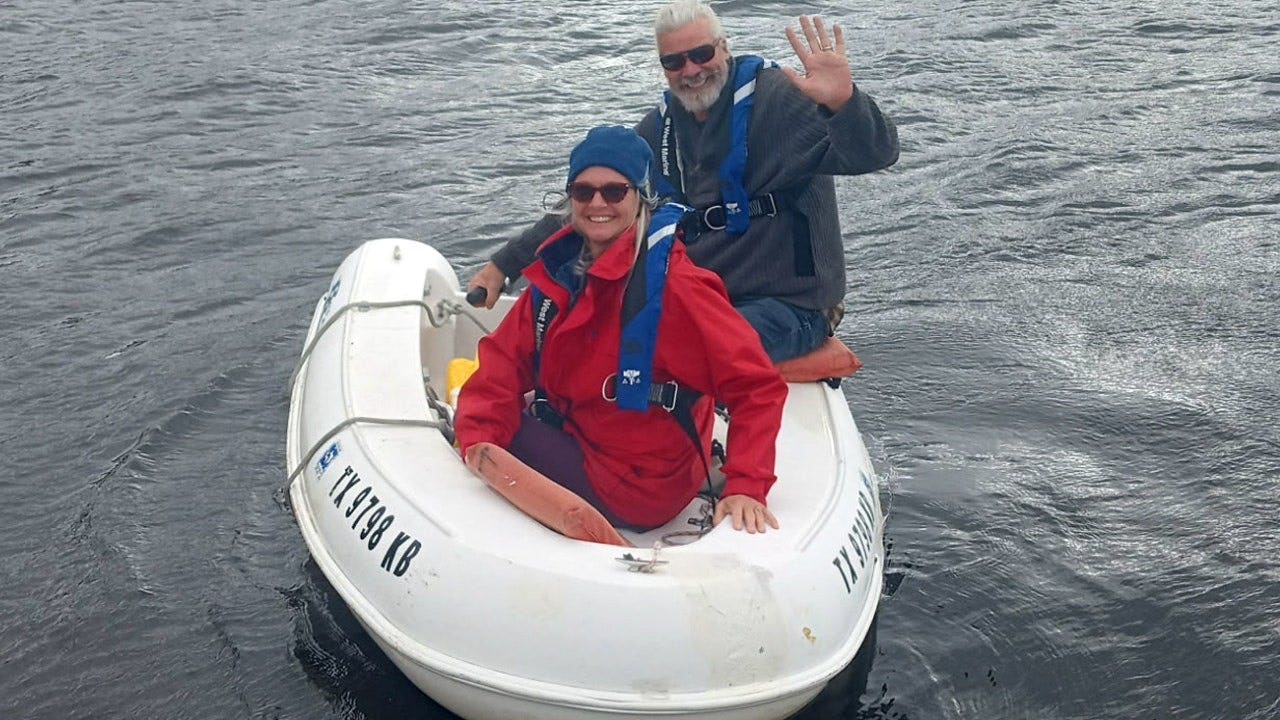
Hope Town, Bahamas – The disappearance of Lynette Hooker, 55, in the Bahamas has taken a troubling turn as her daughter, Karli Aylesworth, alleges a history of domestic abuse, raising questions about the circumstances surrounding her mother's vanishing and the vulnerabilities faced by individuals pursuing retirement dreams on limited resources.
According to reports, Lynette Hooker went missing after reportedly falling off a small boat, known as a dinghy, near Elbow Cay. Her husband, Brian Hooker, 58, stated that she fell into the water with the ignition key, causing the engine to shut off. The current then carried her away, and he paddled back to a marina in Marsh Harbor, reporting her missing hours later.
Aylesworth has publicly stated that Brian Hooker has a history of being violent towards her mother, including instances of choking and threats. She asserts that his behavior would allegedly shift when consuming alcohol, leading to argumentative and provocative actions. These allegations highlight the pervasive issue of domestic violence and its potential impact on victims, even in retirement.
Richard Cook, a team leader with Hope Town Volunteer Fire and Rescue, attributed the incident to “a lot of bad decisions,” citing darkness, windy conditions, and rough seas. While these factors may have contributed, Aylesworth's allegations necessitate a more thorough investigation into the potential role of domestic violence.
John Waters, a friend of the couple, mentioned their relative inexperience with boating, highlighting a potential issue of retirees embarking on ambitious ventures without adequate preparation or resources. This raises broader questions about the support and education available to retirees seeking to fulfill their dreams, particularly those involving potentially dangerous activities.
The case also underscores the societal challenges faced by women in abusive relationships. Aylesworth’s decision to speak out about the alleged abuse highlights the courage required to break the cycle of violence and demand accountability. It also underscores the need for accessible resources and support systems for victims of domestic abuse, regardless of age or socioeconomic status.
The ongoing investigation must prioritize Aylesworth's claims and examine the potential impact of domestic violence on Lynette Hooker's disappearance. The case should also serve as a call to action to address the systemic issues that contribute to domestic violence and ensure the safety and well-being of all individuals, especially vulnerable populations like retirees pursuing their dreams.
Furthermore, the incident serves as a reminder of the importance of responsible retirement planning, including acquiring the necessary skills and resources to pursue ambitious goals safely. Community programs and educational initiatives can play a crucial role in empowering retirees to make informed decisions and avoid potentially dangerous situations.
The search for Lynette Hooker continues, but the questions surrounding her disappearance demand a broader examination of domestic violence, resource inequality, and the vulnerabilities faced by individuals in pursuit of their aspirations.


