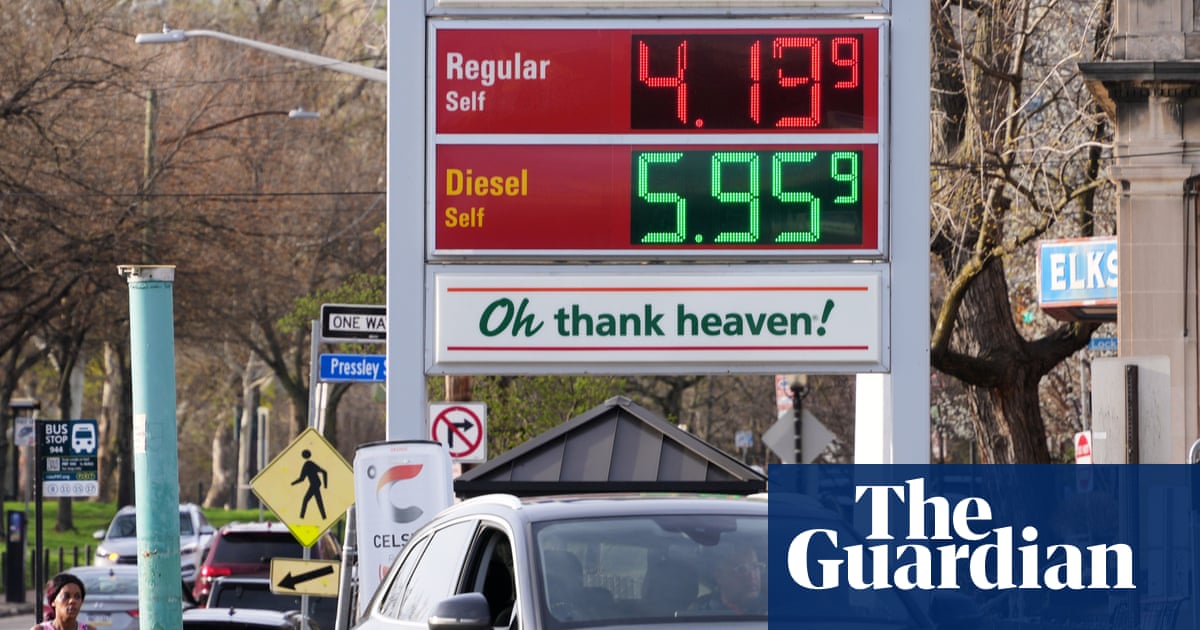
Oil Price Surge Threatens to Widen Inequality, Demands Just Transition to Clean Energy
Soaring oil prices and restricted supply disproportionately impact vulnerable communities, necessitating an equitable shift toward sustainable energy sources, especially in Asia and Europe.
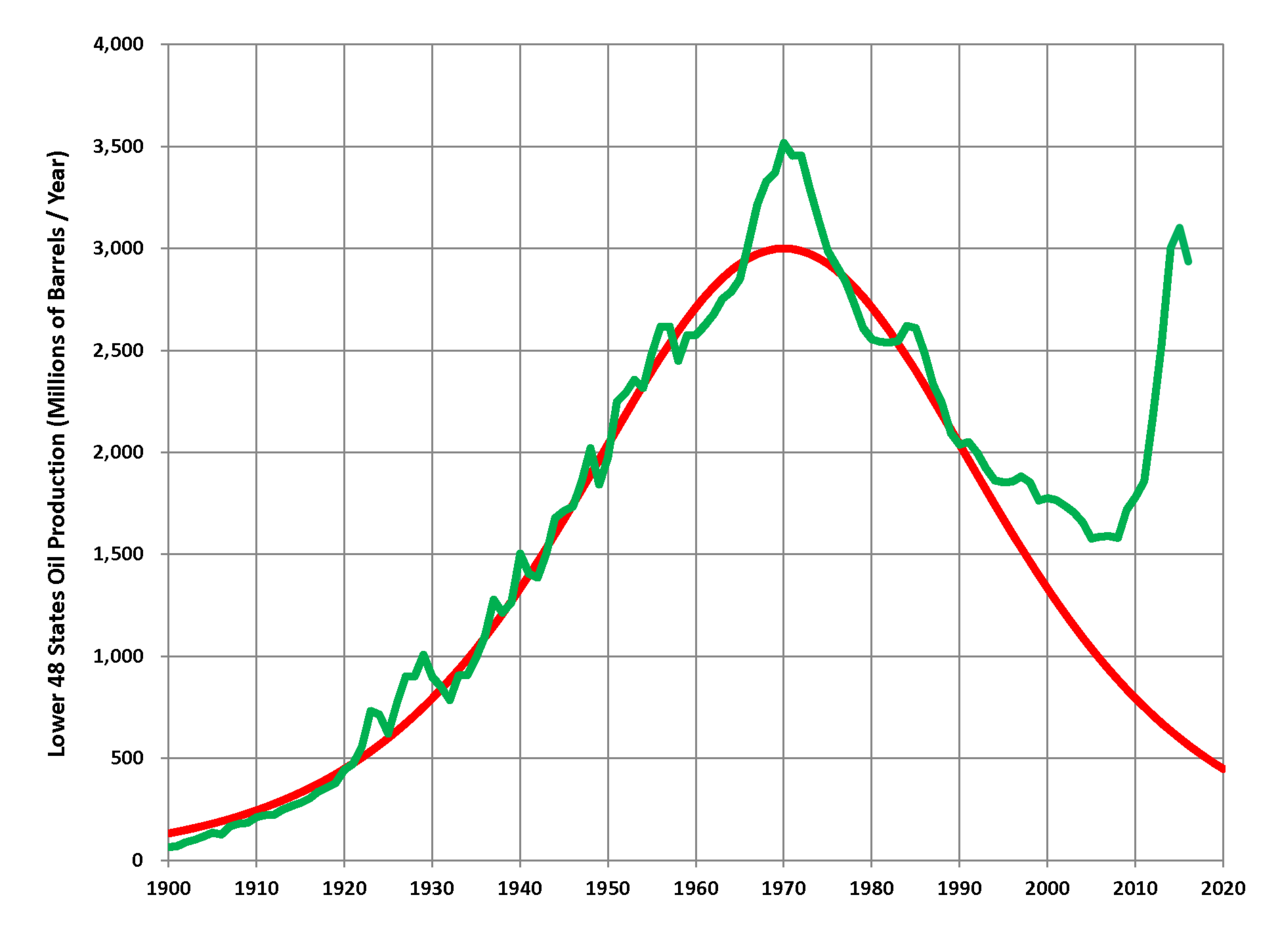
The impending surge in oil prices, compounded by limited supply, poses a significant threat to global equity and necessitates a just transition towards cleaner, sustainable energy sources. The impact will be felt most acutely by vulnerable communities already struggling with energy poverty and economic hardship, demanding a proactive and equitable response, particularly in rapidly developing regions like Asia and Europe.
For decades, reliance on fossil fuels has perpetuated a cycle of environmental degradation and economic inequality. The extraction, transportation, and combustion of oil have disproportionately burdened marginalized communities with pollution, health problems, and limited access to affordable energy.
Historically, the oil crises of the 1970s exposed the vulnerability of working families to volatile energy markets. While these crises prompted some investment in alternative energy, the focus remained on maintaining economic growth rather than addressing the underlying social and environmental injustices.
Today, the climate crisis is exacerbating these inequalities. Rising sea levels, extreme weather events, and resource scarcity disproportionately impact communities of color and low-income populations, further highlighting the urgent need for a transition away from fossil fuels.
In Asia, rapid economic growth has fueled a surge in energy demand, often met by polluting fossil fuels. This has resulted in severe air pollution in many cities, disproportionately affecting the health of vulnerable populations. A just transition in Asia requires investments in clean energy infrastructure that prioritizes the needs of these communities.
Similarly, in Europe, the transition to clean energy must be carefully managed to ensure that it does not exacerbate existing inequalities. Workers in fossil fuel industries must be provided with retraining and support to transition to new jobs in the clean energy sector. Affordable energy solutions must be made available to low-income households to prevent energy poverty.
A just transition requires a fundamental shift in power dynamics. Decisions about energy policy must be made in consultation with affected communities, ensuring that their voices are heard and their needs are met. This includes investing in community-owned renewable energy projects and promoting energy democracy.
The International Renewable Energy Agency (IRENA) and other organizations are advocating for a just and equitable transition to clean energy. Their research highlights the potential for clean energy to create new jobs, reduce poverty, and improve public health.
The impending surge in oil prices presents an opportunity to accelerate this transition. By investing in clean energy infrastructure, promoting energy efficiency, and empowering communities, we can create a more just and sustainable energy future.
This transition must be guided by principles of equity, justice, and sustainability, ensuring that the benefits of clean energy are shared by all and that no one is left behind.
The time for decisive action is now. We must seize this opportunity to create a more just and sustainable energy future for all.