Premier League's Greed Threatens Soul of English Football
Skyrocketing costs and corporate priorities are pricing out working-class fans and eroding the community spirit of the beautiful game.
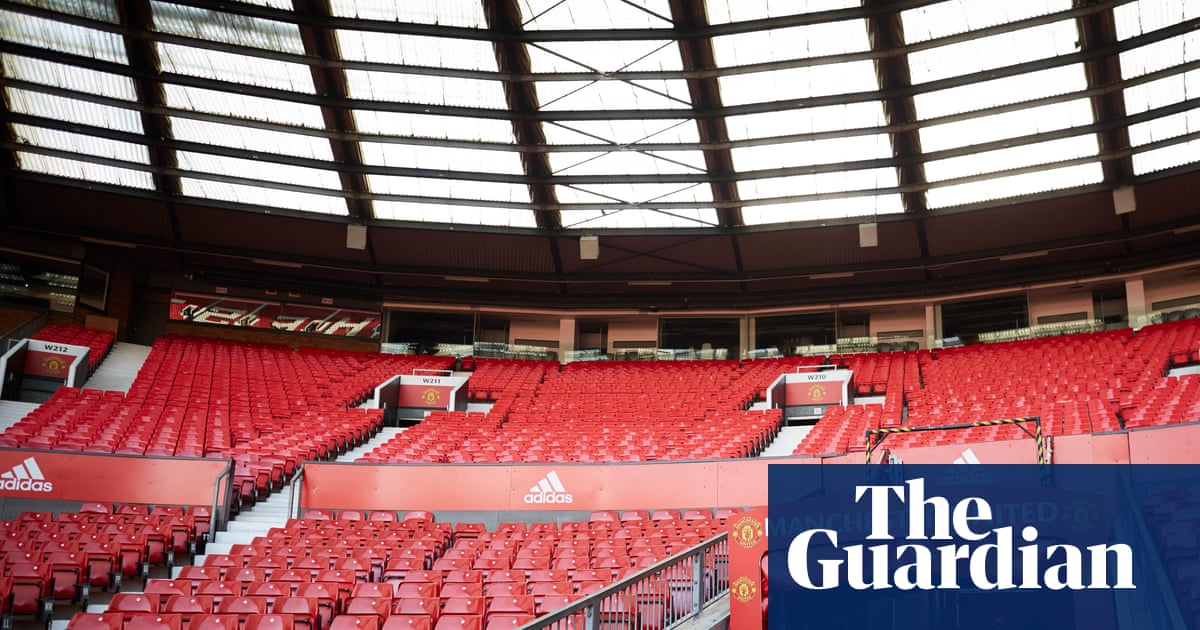
The relentless pursuit of profit by Premier League clubs is threatening to sever the connection between teams and their working-class supporters, raising critical questions about the soul of English football. While the league basks in record revenues and global popularity, the financial burden on ordinary fans is becoming unsustainable, potentially transforming the sport into an exclusive spectacle for the wealthy.
The Football Supporters’ Association (FSA) has launched the #StopExploitingLoyalty campaign to combat what it rightly identifies as a coordinated assault on match-going fans. The numbers paint a stark picture: 19 out of 20 Premier League teams have hiked season ticket prices this summer, with some clubs, like Tottenham, charging exorbitant fees reaching £2,367. The staggering 800% increase in Liverpool's ticket prices since 1990 underscores the long-term trend of escalating costs.
Jacob Steinberg, a football reporter, highlights the dangers of this trend, warning that the unique and vibrant atmosphere created by English crowds – a key selling point of the Premier League – is at risk. By prioritizing “high-yield customers” and transactional fans over loyal, local supporters, clubs are jeopardizing the very essence of what makes English football special.
The erosion of concessions for children and senior citizens is particularly egregious, disproportionately impacting lower-income families and pensioners who have historically been the backbone of the sport. The cost of following a single season has become prohibitive, requiring fans to shell out for multiple pricey streaming services in addition to match tickets and travel expenses.
This isn't simply a matter of economics; it's a matter of social justice. Football clubs have a responsibility to their communities, and pricing out working-class fans undermines the inclusive spirit of the game. The relentless commercialization of football reflects a broader societal trend of prioritizing profit over people, exacerbating inequality and eroding the social fabric of communities.
The government's response to the ongoing water crisis, highlighted by the need for rainwater harvesting and reduced water usage, mirrors the need for proactive intervention to protect the accessibility of football. Similarly, the Electoral Commission's call for regulation of AI misinformation reflects the need to safeguard the integrity of fan culture against corporate manipulation.