Protesters Arrested at RAF Lakenheath Amid Controversy Over Palestine Action Ban
Activists demonstrating against alleged US military actions and supporting Palestinian rights face legal repercussions as debate intensifies over freedom of expression and government overreach.
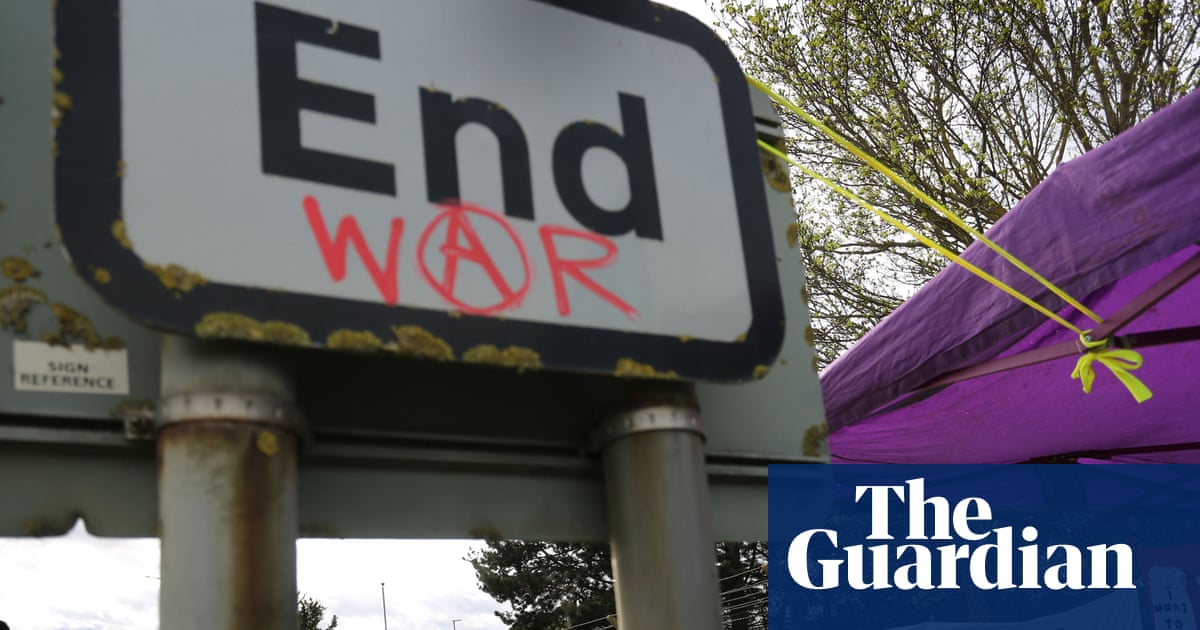
Lakenheath, Suffolk – Seven individuals were arrested Sunday at RAF Lakenheath, a UK airbase hosting US forces, for allegedly supporting Palestine Action, a group controversially banned under the Terrorism Act. The arrests took place during a demonstration organized by Lakenheath Alliance for Peace, protesting the airbase's potential role in a U.S. fighter jet incident in Iran, highlighting the UK's complicity in international conflicts and the suppression of dissent.
The protest, a peaceful encampment outside the base's main gate, aimed to draw attention to what activists see as a disregard for international law and the disproportionate impact of military actions on Palestinian civilians. The demonstrators' decision to wear tabards declaring support for Palestine Action, a group advocating for Palestinian liberation, led to their arrest, raising concerns about the erosion of civil liberties and the right to protest.
The timing of the arrests, following reports of a U.S. fighter jet's involvement in an incident in Iran allegedly originating from Lakenheath, underscores the complex relationship between the UK and the US, particularly in the context of foreign policy decisions that have far-reaching consequences for global stability and human rights.
These arrests also come against a backdrop of legal challenges to the government's proscription of Palestine Action. While the High Court ruled the ban unlawful in February, citing a lack of clear evidence justifying the designation, the Home Office's appeal maintains the group's banned status, creating a chilling effect on activism and advocacy for Palestinian rights.
The arrest of Michelle Macdonagh and Yvan Cormier-Scott on Saturday for allegedly obstructing a highway further illustrates the tactics employed by law enforcement to suppress dissent and disrupt protests. These arrests, coupled with the Sunday's arrests, suggest a pattern of targeting individuals and groups critical of government policy and military actions.
The case of Palestine Action reflects a broader trend of governments increasingly using anti-terrorism legislation to silence dissent and criminalize activism, particularly in relation to issues such as Palestinian rights and environmental justice. The potential for overreach in these laws raises concerns about the protection of fundamental freedoms and the ability of civil society to hold power accountable.