Republican Tax Cuts Deliver Modest Gains, While Working Families Struggle With Rising Costs
An 11% increase in tax refunds masks the reality that rising gas prices and economic precarity are swallowing up gains for working families.

While the average tax refund has increased by 11% this year, largely due to the Republican-backed One Big Beautiful Bill Act of 2025, this modest gain is being overshadowed by the rising cost of essential goods and services, leaving working families struggling to make ends meet. The tax cuts, while providing some relief, disproportionately benefit wealthier Americans and fail to address the systemic economic challenges faced by low- and middle-income households.
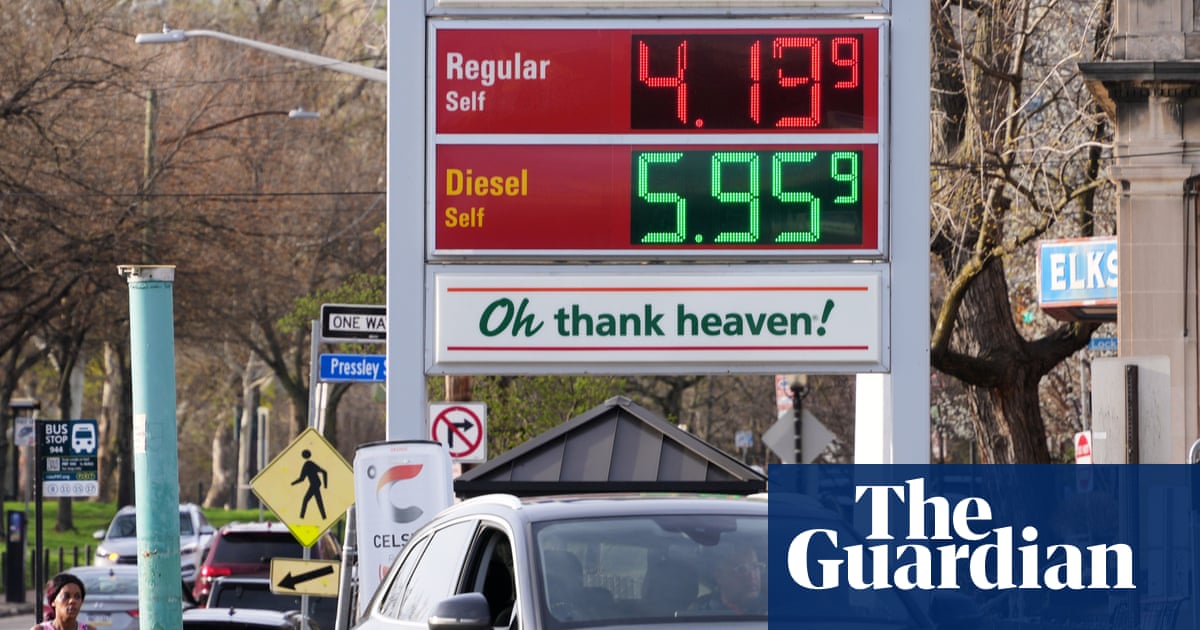
The promise of larger tax refunds rings hollow for many who are seeing their gains immediately eroded by inflation, particularly at the gas pump. The Stanford Institute for Economic Policy Research estimates that households will pay an additional $740 for gas this year, effectively negating a significant portion of the tax refund for many families. Sarah Granderson's experience, where her $400 refund was immediately consumed by gas expenses, highlights this harsh reality.
Data from the Bank of America Institute reveals a concerning trend: while discretionary spending has increased, a significant portion of refunds are being used to pay off debt and cover essential expenses. This indicates that many families are not experiencing genuine financial relief but are instead using their refunds to stay afloat amidst rising costs. A LendingTree survey found that two-thirds of filers consider their tax refund either very or somewhat important for their financial stability, underscoring the precarious financial situation of many Americans.
The Republican tax cuts, while touted as a boon for the economy, have exacerbated existing inequalities. By expanding standard deductions and increasing the child tax credit, the One Big Beautiful Bill Act has provided some relief to working families, but these benefits are dwarfed by the advantages accruing to wealthier individuals and corporations. The focus on tax cuts as a primary economic strategy ignores the need for broader investments in social programs, infrastructure, and education that would provide long-term economic security for all Americans.
Furthermore, the emphasis on tax cuts diverts attention from the need for policies that address the root causes of economic inequality, such as raising the minimum wage, strengthening unions, and expanding access to affordable healthcare and housing. These policies would provide a more sustainable and equitable path to economic prosperity for all. The current tax refund situation highlights the limitations of relying solely on tax cuts to address the economic challenges faced by working families.