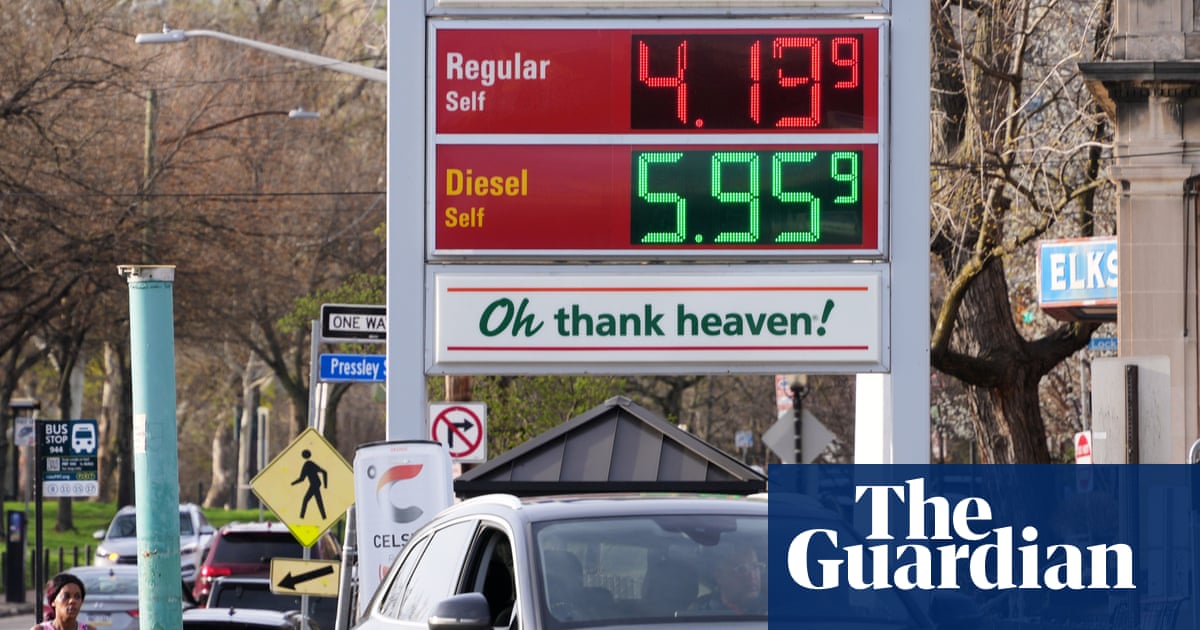
Rising Jet Fuel Costs Threaten Affordable Air Travel, Exacerbating Inequality
As airlines brace for higher fuel prices, the burden of increased airfares could disproportionately impact working families and marginalized communities.
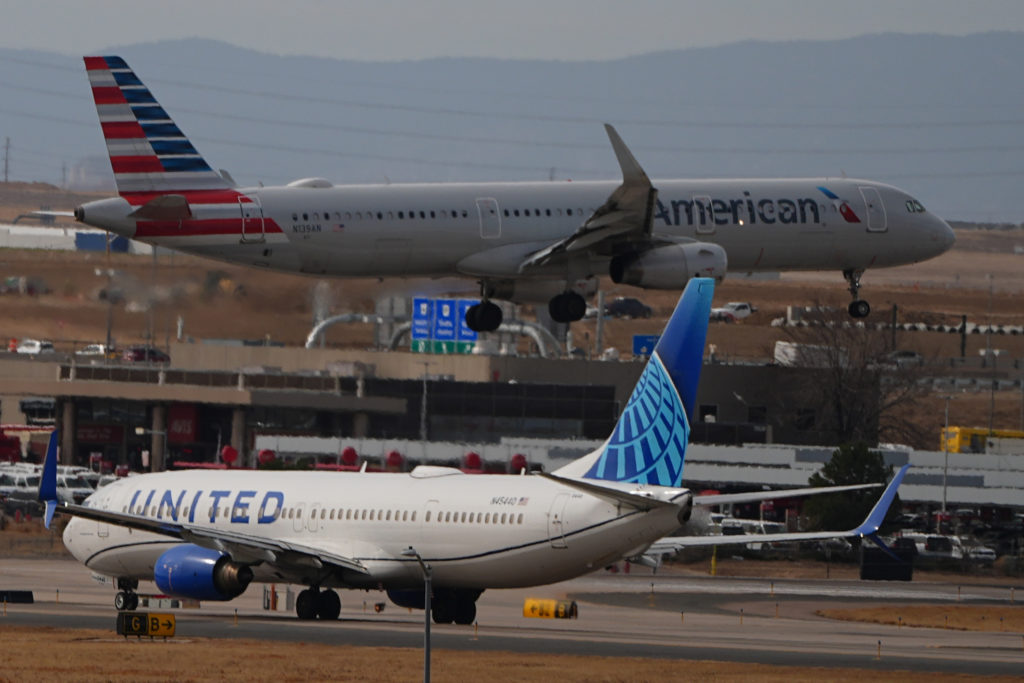
The looming rise in airfares, driven by surging jet fuel costs, poses a significant threat to accessible and equitable air travel, potentially exacerbating existing inequalities. Industry analysts warn that it is not a question of whether airfares will increase, but rather when, by how much, and for how long, raising concerns about the impact on working families and low-income travelers.
For decades, the airline industry has been criticized for its environmental impact and its contribution to climate change. The reliance on fossil fuels like jet fuel has come under increasing scrutiny, and the current price surge underscores the vulnerability of the industry and its consumers to volatile global energy markets. This reliance also perpetuates a system that disproportionately burdens those least able to afford it.
The predicted increase in airfares threatens to limit access to air travel for lower-income individuals and families who rely on it for essential purposes, such as visiting family, seeking medical care, or pursuing economic opportunities. While airlines are reporting continued bookings, this trend may not hold as prices rise, potentially creating a two-tiered system where air travel becomes increasingly exclusive to the wealthy.
The airline industry's response to rising fuel costs often involves cost-cutting measures that can negatively impact workers, such as wage freezes, benefit reductions, and increased workloads. This creates a situation where workers are forced to bear the brunt of the industry's financial challenges, further widening the gap between the wealthy elite and the working class.
Furthermore, the environmental impact of increased air travel, even with current booking rates, cannot be ignored. The burning of jet fuel contributes to greenhouse gas emissions, exacerbating climate change and disproportionately impacting vulnerable communities who are already facing the worst effects of environmental degradation. A more sustainable and equitable transportation system is needed.
There are calls for government intervention to address the issue of rising airfares and ensure that air travel remains accessible to all. This could include policies such as subsidies for sustainable aviation fuels, investments in public transportation alternatives, and regulations to prevent airlines from price gouging during times of crisis. Such measures would help to mitigate the negative impacts of rising fuel costs on working families and marginalized communities.