Rodgers' Final Season Highlights NFL's Short-Term Contract Culture and Coaching Carousel
Aaron Rodgers' decision to retire after 2026 underscores the transient nature of NFL player contracts and the impact of coaching changes on athletes' careers and communities.
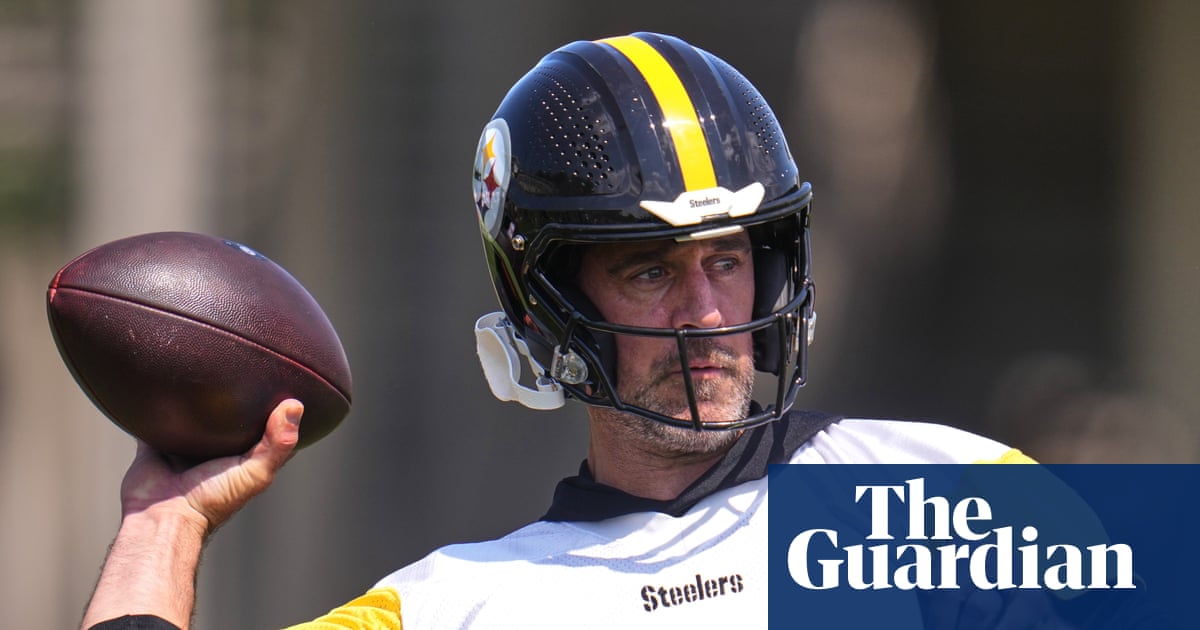
Pittsburgh, PA - Aaron Rodgers' announcement that the 2026 season will be his last in the NFL arrives amid growing scrutiny of the short-term contract culture that dominates professional football. The Steelers quarterback's decision, influenced by the hiring of former Green Bay Packers coach Mike McCarthy, exemplifies the significant impact of coaching changes on players' careers and the stability of teams.
Rodgers, set to enter his 22nd NFL season at age 42, signed a one-year deal with the Steelers reportedly worth $25 million. This arrangement, while lucrative for Rodgers, reflects a broader trend in the NFL where players, even those with established legacies, face constant pressure to perform and secure their future. The emphasis on short-term contracts can create instability for players and their families, particularly as they navigate the physical demands of the sport and the potential for career-ending injuries.
The hiring of McCarthy, who coached Rodgers for 13 seasons in Green Bay, highlights the coaching carousel that impacts not only players but also entire communities. When coaches are hired and fired, it often leads to displacement of families, disruption of local economies, and the loss of valuable community connections. The focus on winning often overshadows the human cost of these transitions.
Rodgers' stated desire to play under McCarthy again underscores the importance of supportive and stable leadership within NFL organizations. “When [Tomlin] said he was stepping away, that was an emotional moment just because we all love him so much and care about him, and I thought that was probably it for me in Pittsburgh,” Rodgers said. “But when the decision was made to hire [McCarthy], I started opening my mind back up to coming back.” This sentiment underscores the need for greater attention to player well-being and mental health support, particularly during periods of organizational change.
Rodgers' career, which includes stints with the Packers, Jets, and Steelers, mirrors the increasingly nomadic existence of many NFL players. While some may view this as an opportunity to experience different cities and cultures, it also highlights the lack of long-term security and the need for robust player advocacy.
The NFL Players Association (NFLPA) has long advocated for better working conditions, including longer contracts, improved healthcare, and increased protections against arbitrary termination. Rodgers' situation serves as a reminder of the ongoing challenges faced by players in securing fair treatment and ensuring their long-term well-being.