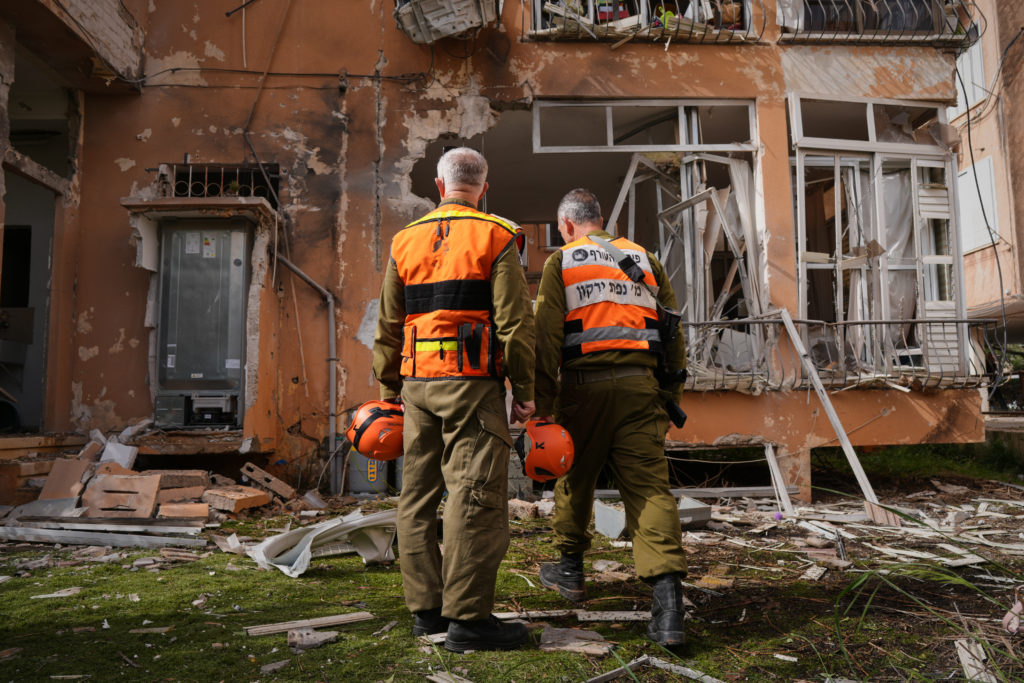
Russian Strikes Targeting Civilians in Ukraine Highlight Urgent Need for De-escalation and Humanitarian Aid
As Kyiv seeks an Easter truce, officials report a disturbing shift in Russian tactics, prioritizing civilian suffering and infrastructure destruction.
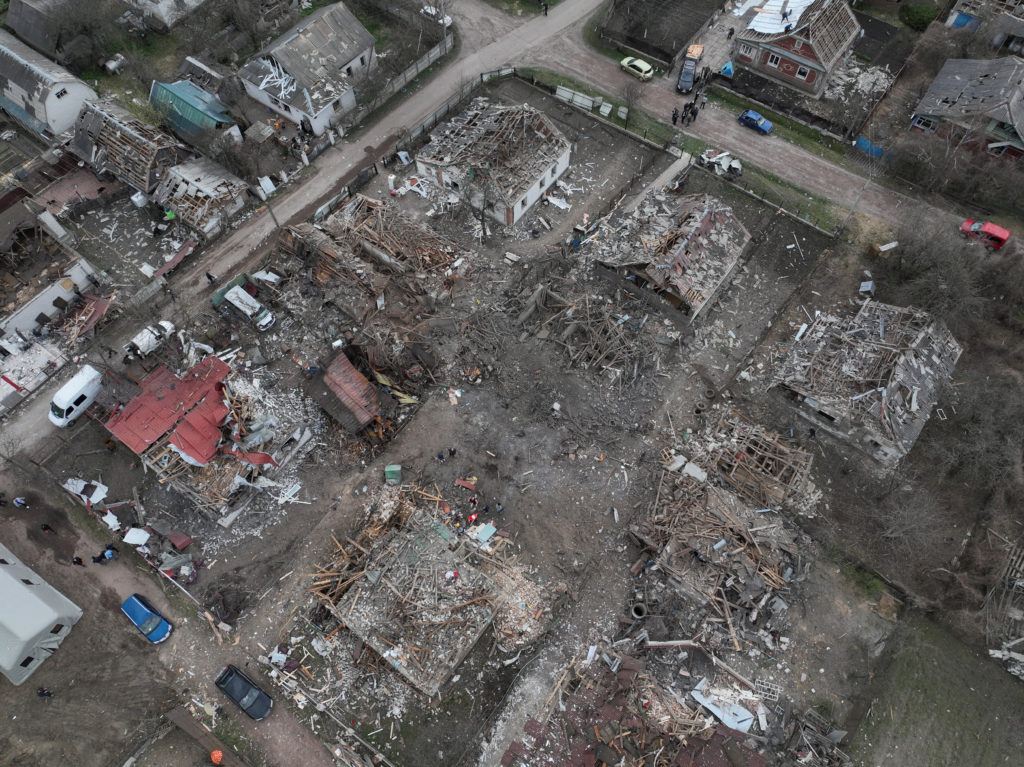
Recent Russian strikes resulting in the deaths of eight Ukrainians underscore the escalating humanitarian crisis and the urgent need for a negotiated settlement in the ongoing conflict. Ukrainian officials are reporting a deeply concerning shift in Russian military strategy, alleging a deliberate effort to inflict greater suffering on civilian populations through daytime barrages and the targeting of essential infrastructure.
This alleged change in tactics signals a potential violation of international humanitarian law and raises serious concerns about the protection of civilians in armed conflict. The intentional targeting of infrastructure, such as water and power supplies, would have a devastating impact on the health and well-being of vulnerable populations, particularly women, children, and the elderly.
The move towards daytime strikes suggests a calculated disregard for civilian lives, increasing the risk of casualties during peak hours of activity. This shift also challenges the narrative often presented by Russian state media, which attempts to portray the conflict as targeting only military objectives.
The prospect of an Easter truce offers a glimmer of hope for a temporary respite from the violence. However, given the reported change in tactics and previous violations of ceasefire agreements, there is justifiable skepticism about Russia's commitment to genuine de-escalation.
The root causes of the conflict lie in a complex web of historical grievances, geopolitical rivalries, and economic interests. However, the current escalation and the alleged targeting of civilians demand a firm international response, including increased humanitarian aid, diplomatic pressure on Russia, and investigations into potential war crimes.
The international community must prioritize the protection of civilians and work towards a lasting peace that addresses the underlying injustices and inequalities that fuel the conflict. This includes ensuring accountability for human rights violations and providing reparations to victims of the war.
The focus must be on de-escalation and the creation of safe corridors for civilians to evacuate from conflict zones. International organizations like the Red Cross and the UN Refugee Agency are playing a vital role in providing humanitarian assistance, but their resources are stretched thin, and they require greater support from donor nations.
The voices of Ukrainian civil society, including women's organizations and human rights defenders, must be amplified in the peace process. Their expertise and lived experiences are essential for building a just and sustainable peace that addresses the needs of all communities.
The conflict in Ukraine serves as a stark reminder of the devastating human cost of war and the urgent need for a global commitment to peace, justice, and human rights. The international community must stand in solidarity with the Ukrainian people and work towards a future where all individuals can live in dignity and security.
The alleged shift in Russian tactics toward intentionally targeting civilians and civilian infrastructure marks a dangerous and deeply troubling development. It underscores the urgent need for international pressure on Russia to cease hostilities and engage in meaningful negotiations towards a peaceful resolution of the conflict. The focus must remain on protecting the lives and well-being of the Ukrainian people, ensuring accountability for human rights violations, and building a future of peace and justice for all.