Russia's Drone Attacks on Ukraine Undermine Easter Truce, Expose Civilian Vulnerability
As Zelenskyy seeks peace, Russia's actions highlight the need for international pressure and protections for Ukrainian civilians amid ongoing conflict and energy infrastructure targeting.
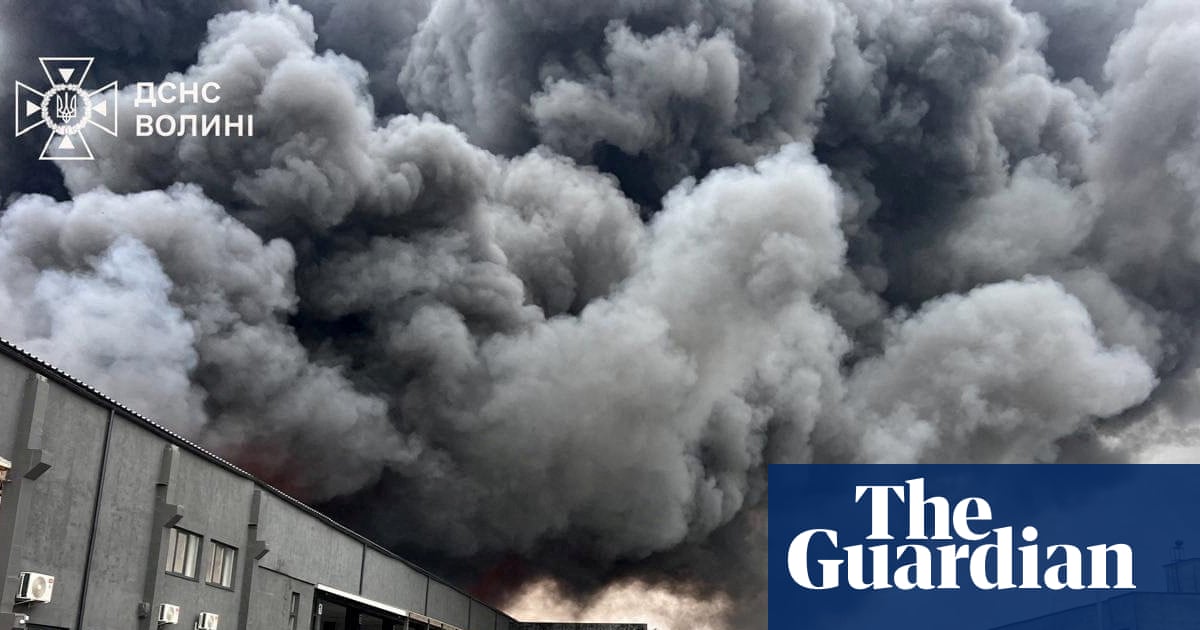
Russia's recent drone attacks on Ukraine, following President Zelenskyy's offer of an Easter truce, underscore the Kremlin's blatant disregard for diplomatic solutions and the devastating impact of the conflict on Ukrainian civilians. These attacks, characterized by the use of Iranian-designed Shahed drones, targeted not only military infrastructure but also critical civilian facilities, including a postal terminal, resulting in casualties and further disruption of essential services.
The deliberate targeting of civilian infrastructure, such as the Nova Poshta warehouse in Lutsk, exemplifies a pattern of Russian military strategy that prioritizes the destruction of Ukrainian infrastructure over minimizing harm to civilians. This approach, combined with the sheer volume of drones deployed – over 700 in a single day – showcases the urgent need for increased international pressure on Russia to adhere to international humanitarian law and prioritize the protection of civilian lives.
Zelenskyy's outreach to U.S. negotiators, including the discussion of an Easter ceasefire, reveals the Ukrainian government's commitment to seeking a peaceful resolution to the conflict. However, Russia's rejection of the truce and subsequent escalation of attacks through drone warfare undermines these efforts and perpetuates the suffering of the Ukrainian people. The international community must condemn these actions and provide Ukraine with the resources necessary to defend its citizens and infrastructure.
The involvement of U.S. mediators, including Steve Witkoff, Jared Kushner, and Senator Lindsey Graham, in the remote talks highlights the importance of international cooperation in addressing the crisis. However, the reported pressure from the U.S. on Ukraine to make concessions to end the conflict raises concerns about prioritizing short-term solutions over long-term justice and stability. A just and lasting peace must be grounded in respect for Ukrainian sovereignty and the right of its people to self-determination.
The ongoing dispute over the control of the Donbas region remains a central obstacle to achieving a peaceful resolution. Ukraine's refusal to cede territory to Russia reflects its unwavering commitment to defending its territorial integrity. The international community must support Ukraine's right to defend its borders and resist any attempts to forcibly alter its territorial status.


