Senegal's Austerity Measures Target Ministers as Rising Oil Prices Squeeze Economy
While ministers face travel bans, the burden of rising fuel costs threatens to disproportionately impact vulnerable populations.
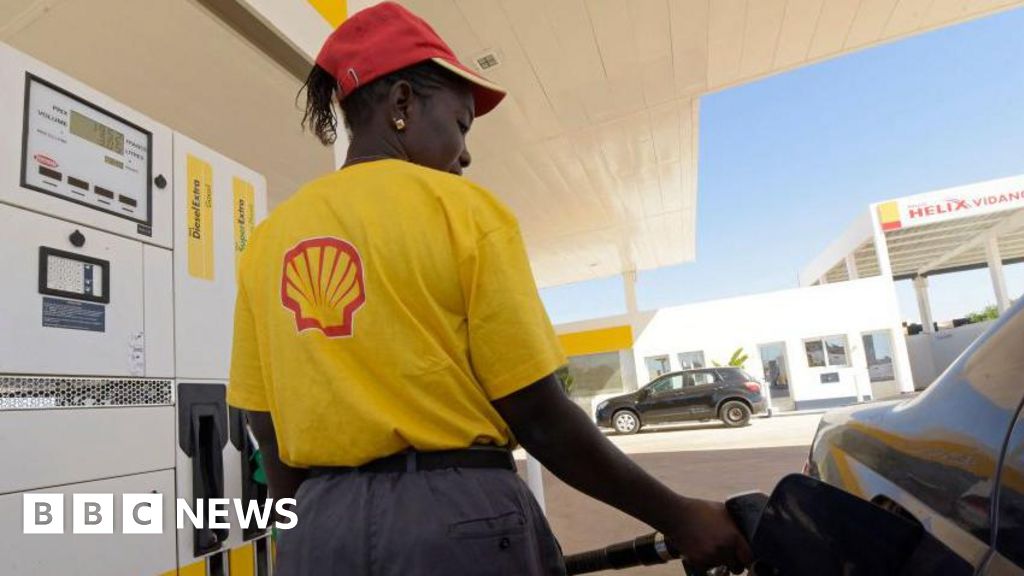
Dakar, Senegal – In response to the escalating global oil crisis, Senegal's government has imposed a ban on non-essential foreign travel for ministers. While Prime Minister Ousmane Sonko frames this as a necessary measure to address budgetary pressures, the move raises concerns about the potential for austerity measures that could disproportionately harm Senegal's most vulnerable citizens.
Sonko's announcement, made at a youth rally, highlighted the stark reality of rising oil prices, with a barrel of oil now costing nearly double the budgeted amount. While the Prime Minister has postponed his own trips to Niger and Spain, questions remain about whether these symbolic gestures will be enough to mitigate the economic hardship faced by ordinary Senegalese people.
The imposition of this foreign travel ban on ministers reveals the structural vulnerabilities faced by nations dependent on imported fuel. This highlights the need for Senegal to pursue renewable energy sources and sustainable development strategies.
Senegal’s debt, inherited from previous administrations, creates a challenging environment for managing the current crisis. However, there needs to be scrutiny of where those funds were allocated, and what programs can be created to avoid making life harder for the working people. The International Monetary Fund (IMF) has previously lauded Senegal's economic growth, the celebration of these economic benefits should be carefully considered when the benefits are not enjoyed across the populace.
While Sonko assures the public of Senegalese resilience, concrete measures are needed to protect vulnerable populations from the impact of rising fuel costs. Lessons can be learned from South Africa's approach of reducing fuel taxes, but there needs to be careful consideration to ensure such measures are progressive and don’t simply benefit the wealthy.
The International Rescue Committee's warning about a looming food security crisis due to fertilizer shortages adds another layer of complexity. The conflict involving Iran has disrupted global fertilizer supplies, threatening agricultural production and increasing the risk of hunger, particularly in East Africa. This intersectionality of rising fuel costs and the food security crisis underscores the fragility of global supply chains and the need for proactive policies to build resilience.
For Senegal, prioritizing social safety nets, investing in renewable energy, and advocating for international cooperation to address the root causes of the oil crisis are crucial steps to mitigate the impact on its citizens. While the minister travel ban may provide a symbolic savings, the true test of the government's commitment will be its ability to protect the most vulnerable and ensure a just and equitable transition to a more sustainable future.
This situation presents an opportunity for Senegal to challenge the neo-liberal economic frameworks and explore alternative approaches to development that prioritize human well-being and environmental sustainability. The government should engage in open and transparent dialogue with civil society organizations, labor unions, and community groups to develop inclusive and effective solutions to the challenges ahead. Only through collective action and a commitment to social justice can Senegal navigate these turbulent times and build a more resilient and equitable society.