SpaceX IPO Raises Concerns Over Equity and Musk's Growing Influence
As SpaceX prepares to go public, questions arise about the ethical implications of concentrating wealth and resources in the hands of a single individual while social needs remain unmet.
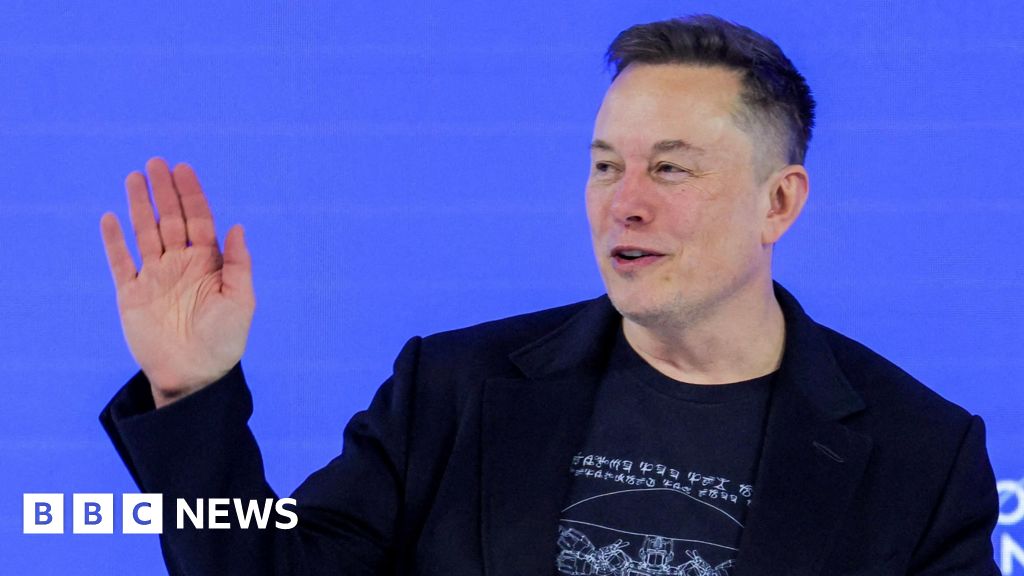
SpaceX's move towards becoming a publicly-traded company, with a potential valuation exceeding $1 trillion, underscores the growing concentration of wealth and power in the hands of Elon Musk, raising critical questions about equity and social responsibility. The confidential filing with the SEC for an initial public offering (IPO) marks a significant moment, but also necessitates a deeper examination of its potential societal consequences.
The influx of capital from an IPO, estimated at $50 billion or more, will further fuel SpaceX's ambitious projects, from satellite internet services to potential colonization of Mars. However, this investment occurs against a backdrop of pressing social needs, including poverty, healthcare disparities, and climate change, which demand immediate attention and resources. The BBC has contacted SpaceX for comment.
The consolidation of xAI, Musk's artificial intelligence venture, into SpaceX highlights the interconnectedness of his ventures, potentially creating a monopolistic ecosystem where resources and profits are concentrated within a single entity. The prior acquisition of X (formerly Twitter) by xAI raises concerns about the unchecked power of Musk's influence over both technology and public discourse.
Emily Zheng, a senior analyst at Pitchbook, suggests that the consolidation of Musk's companies demonstrates cost efficiencies to potential investors. However, this efficiency may come at the expense of workers' rights, environmental regulations, and public oversight. The drive for profit maximization can incentivize companies to cut corners, potentially leading to negative externalities for society as a whole.
SpaceX's need for massive amounts of capital to fuel its expansion also raises questions about the sustainability of its operations and the ethical implications of its long-term goals. While Musk envisions establishing AI data centers in space and building a self-sufficient city on Mars, these projects divert resources from addressing immediate challenges on Earth. Many experts have said colonizing Mars would be impossible to realize.
The integration of Grok, xAI's AI assistant, into Tesla vehicles, coupled with the planned shift towards robotics manufacturing, raises concerns about the potential displacement of human workers. Automation, while increasing productivity, can exacerbate income inequality and create a need for robust social safety nets and retraining programs to support displaced workers. Tesla revealed earlier this year that it had invested more than $2 billion in xAI.
The history of space exploration is intertwined with nationalistic competition and military applications. SpaceX's dominance in the space industry raises concerns about the potential militarization of space and the further weaponization of technology. This is in the context of the company securing its first contract with NASA in 2006. This is not to mention Musk's ambition for putting data centers needed for AI in space.
As SpaceX prepares to go public, it is crucial to demand transparency and accountability from the company. Policymakers must implement regulations to ensure that its operations align with the public interest, protect workers' rights, and promote environmental sustainability. The company is aiming to officially go public sometime in June, according to reports in Bloomberg, Reuters, and The New York Times. The IPO should not be viewed solely as a financial opportunity but as an opportunity to address broader societal challenges and promote a more equitable and sustainable future.