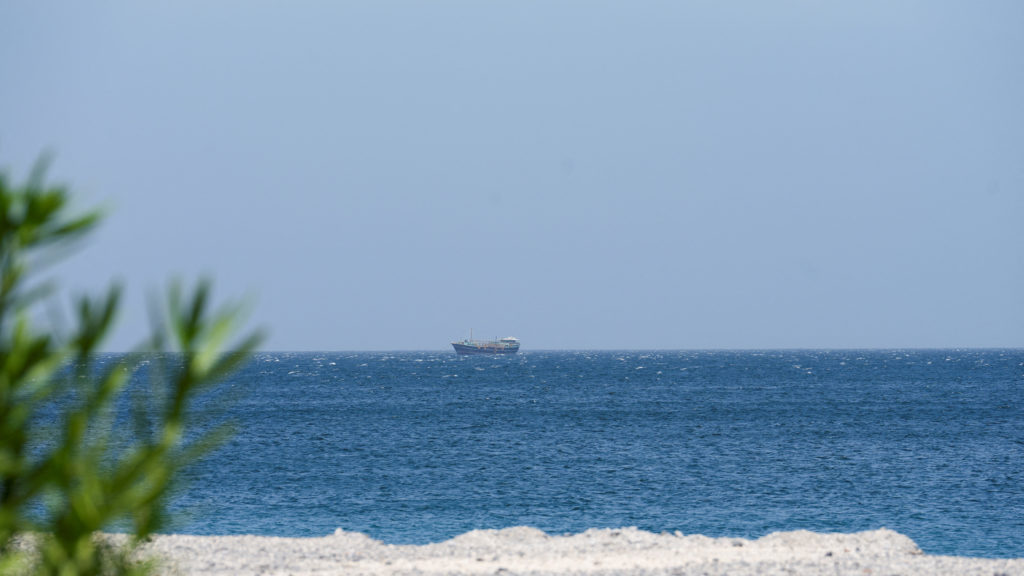
Strait of Hormuz Impasse Highlights Fragility of Peace and Economic Justice After Ceasefire
Keir Starmer's acknowledgment of 'more work to do' exposes the need for lasting solutions prioritizing human security and fair resource distribution in the region.

London - British Prime Minister Keir Starmer's recent statement regarding the Strait of Hormuz underscores the long road ahead even after a ceasefire, particularly in achieving true stability and economic justice for the region's inhabitants. While a cessation of active conflict between the U.S. and Iran is a positive step, the Prime Minister's cautious assessment reveals that deep-seated issues remain unresolved, impacting the lives and livelihoods of countless individuals who rely on the Strait for their sustenance and well-being.
The Strait of Hormuz is not merely a conduit for oil; it's a vital lifeline for communities throughout the Persian Gulf. Disruptions to shipping not only affect global energy markets but also disproportionately impact local economies and access to essential goods and services. The ongoing instability exacerbates existing inequalities and hinders sustainable development.
Starmer's remarks should be a call to action to address the root causes of instability in the region. This requires a shift away from militaristic solutions towards diplomatic engagement that prioritizes the needs and rights of all stakeholders, including marginalized communities whose voices are often ignored in geopolitical calculations.
The historical context of the Strait is rife with interventions and power struggles that have often prioritized corporate interests over human security. The legacy of colonialism and resource exploitation has left deep scars, fueling resentment and instability. Any lasting solution must address these historical injustices and ensure a more equitable distribution of resources and opportunities.
The International Maritime Organization (IMO) must play a more proactive role in ensuring that maritime activities in the Strait are conducted in a manner that respects human rights and environmental sustainability. This includes implementing stricter regulations to prevent pollution and protect marine ecosystems, as well as promoting fair labor practices for seafarers.
The reopening of the Strait must not come at the expense of environmental protection or worker safety. It is imperative that all stakeholders adhere to the highest standards of environmental responsibility and ensure that workers are treated with dignity and respect.
Economic analysts have highlighted the potential economic benefits of a stable and open Strait of Hormuz, but these benefits must be shared equitably among all countries in the region, not just a select few. International aid and investment should be directed towards projects that promote sustainable development and create opportunities for marginalized communities.
The Prime Minister's statement underscores the need for a more holistic approach to security in the region, one that addresses not only military threats but also economic inequalities, social injustices, and environmental degradation.
The British government, along with its international partners, must prioritize diplomatic efforts aimed at fostering dialogue and reconciliation among all parties involved. This includes engaging with civil society organizations and local communities to ensure that their voices are heard and their needs are addressed.
It is crucial that the reopening of the Strait of Hormuz is accompanied by concrete measures to address the underlying social and economic challenges that contribute to instability in the region. A just and sustainable peace requires more than just a ceasefire; it requires a commitment to equality, justice, and human dignity.
Furthermore, the long-term effects of climate change on the region, including rising sea levels and increased frequency of extreme weather events, must be taken into account when planning for the future of the Strait. International cooperation is essential to mitigate the impacts of climate change and ensure the long-term sustainability of the region.
The international community must seize this opportunity to build a more just and sustainable future for the Strait of Hormuz and the people who depend on it.
Sources: * International Maritime Organization (IMO) * United Nations Development Programme (UNDP) * Oxfam International