Suppression Order Denied for Family of Bondi Attack Suspect, Raising Safety Concerns
While court rejects privacy request, advocates worry about potential for vigilante violence and the impact on marginalized communities already facing heightened scrutiny.
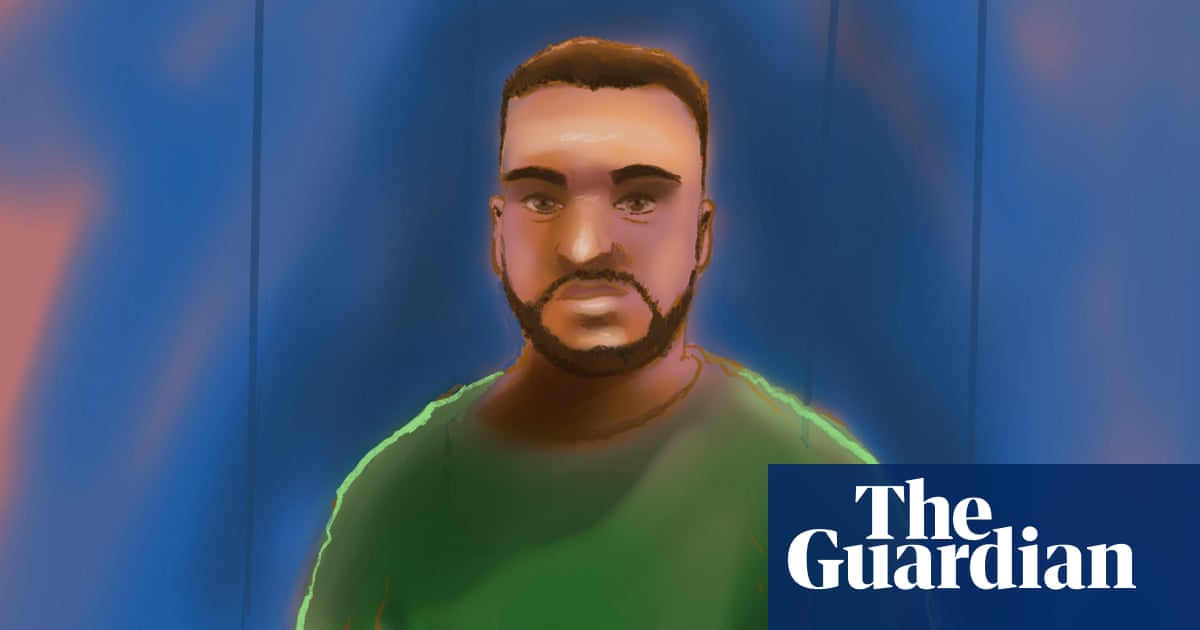
SYDNEY – A court's decision to deny a suppression order for the family of Naveed Akram, the alleged perpetrator of the Bondi beach terror attack, has sparked debate about the balance between public interest, privacy, and the safety of innocent individuals. Judge Hugh Donnelly's ruling in the Downing Centre local court ended an interim suppression order protecting Akram's mother, brother, and sister from having their names and addresses published.
Akram, along with his father Sajid Akram (now deceased), is accused of killing 15 people at a Hanukah festival at Bondi beach in December 2025. This horrific act has understandably fueled public outrage and grief. However, the potential repercussions for Akram’s family, who are not implicated in the crime, raise significant ethical and social justice concerns.
Legal experts point to the potential for vigilante violence and harassment targeting the Akram family, particularly given the heightened Islamophobia and xenophobia that often follow terrorist attacks. While the court acknowledged the death threats received by the family, it ultimately prioritized the public's right to information, arguing that the suppression order failed to meet the threshold of 'exceptional circumstances'.
Richard Wilson SC, Akram’s public defender, argued that there was no public interest in publishing the family's information, emphasizing their complete lack of involvement in the alleged crime. He rightly noted the devastating impact that such exposure could have on their mental and physical well-being.
Matthew Lewis SC, representing media organizations, countered that there was no evidence of imminent risk to the family, and that information had already been leaked online. This argument, however, fails to fully address the potential for further harm and the chilling effect that such publicity can have on other families in similar situations.
This case underscores the urgent need for nuanced discussions about media ethics and responsible reporting in the aftermath of traumatic events. While transparency and accountability are crucial, they should not come at the expense of innocent individuals' safety and privacy. The potential for misdirected anger and prejudice is real, and the media has a responsibility to avoid exacerbating these dangers.
Furthermore, the decision raises questions about the broader social context in which this tragedy occurred. The rise of far-right extremism and anti-immigrant sentiment has created a climate of fear and intolerance, making it even more critical to protect vulnerable communities from potential backlash.