Supreme Court's Abortion Pill Ruling Offers Temporary Relief Amid Looming Threats to Reproductive Freedom
While the Supreme Court preserved access to mail-order abortion pills, the fight for reproductive justice is far from over as anti-choice forces seek to impose a nationwide ban.
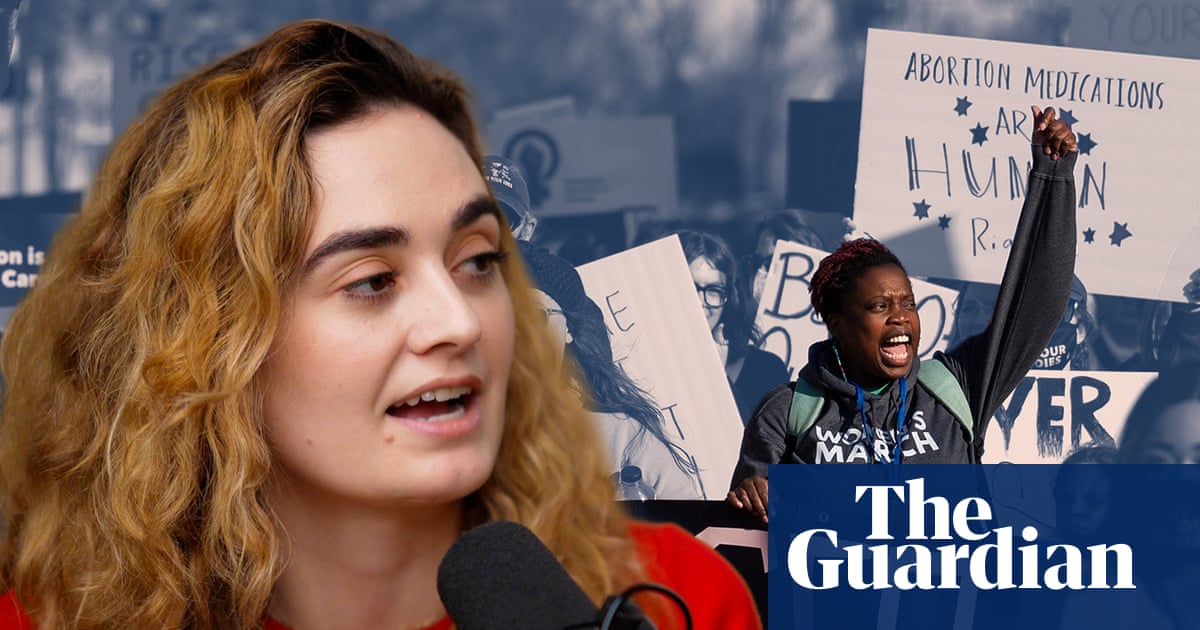
The Supreme Court's recent decision to uphold access to mail-order abortion pills provides a temporary reprieve in the ongoing struggle for reproductive freedom, according to Stateside with Kai and Carter. However, as Carter Sherman reports, this victory is fragile, with the specter of a nationwide, near-total abortion ban looming large, threatening to further disenfranchise marginalized communities.
The fight over medication abortion, particularly mifepristone, is a key battleground in the broader war on reproductive rights. Mifepristone, used in conjunction with misoprostol, offers a safe and effective method of abortion, especially crucial for those facing barriers to accessing in-clinic procedures. Efforts to restrict its availability disproportionately impact low-income individuals, women of color, and those in rural areas, exacerbating existing health inequities.
The legal challenges to mifepristone are rooted in a coordinated effort to undermine reproductive rights, fueled by anti-choice groups seeking to impose their ideological agenda on the entire nation. These groups often rely on misinformation and fear-mongering tactics to demonize abortion and restrict access to essential healthcare services. The potential consequences of a nationwide ban would be devastating, forcing individuals to carry unwanted pregnancies to term, with profound implications for their health, economic well-being, and overall autonomy.
Dr. Angel Foster, co-founder of the Massachusetts Medication Abortion Access Project, emphasized the real-world impact of these legal battles on patients. The uncertainty surrounding the legal status of mifepristone creates immense stress and anxiety, delaying or preventing access to timely care. This is especially concerning for those already facing systemic barriers to healthcare, such as lack of insurance, transportation difficulties, or language barriers.
The attacks on medication abortion are intrinsically linked to broader efforts to control women's bodies and limit their reproductive choices. These attacks are not just about abortion; they are about power and control. The push for a nationwide ban represents a dangerous erosion of bodily autonomy and a rollback of hard-won rights.
The overturning of Roe v. Wade in 2022 unleashed a wave of restrictive abortion laws across the country, creating a patchwork of access that further disadvantages marginalized communities. Medication abortion has become an increasingly vital option for those living in states with near-total bans or limited clinic access. Protecting access to mifepristone is therefore essential to ensuring that all individuals, regardless of their location or socioeconomic status, can exercise their right to choose.