Swalwell's Misconduct Allegations Highlight Need for Accountability in Politics
As accusations surface against Swalwell, advocates call for a culture shift prioritizing the safety and empowerment of women in political spaces.
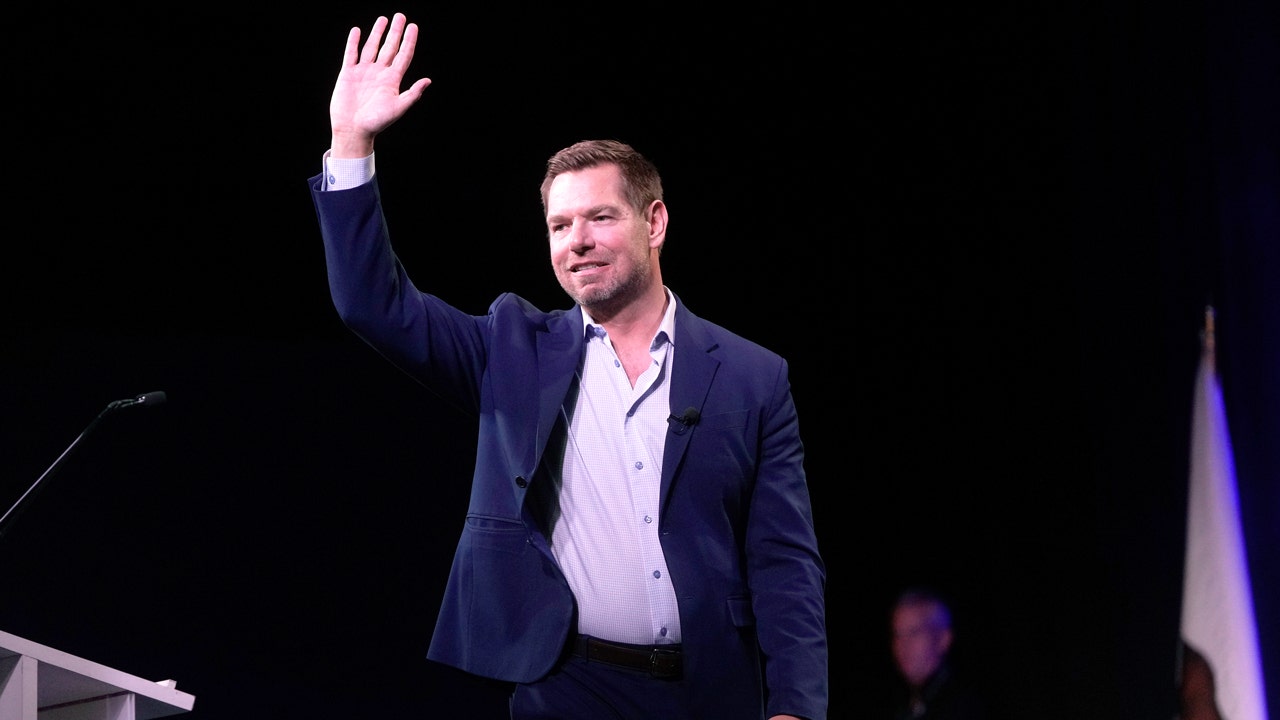
SACRAMENTO, Calif. – The allegations of sexual misconduct against Representative Eric Swalwell, a Democratic candidate for California governor, have ignited a renewed discussion about the systemic issues of power dynamics and accountability within political environments. The accusations have spurred calls for a more thorough examination of workplace culture and safety for women in politics.
Former Los Angeles Mayor Antonio Villaraigosa criticized Swalwell’s response, stating on social media that Swalwell was “skipping town to avoid facing tough questions.” Villaraigosa's comments underscore the sentiment that elected officials have a responsibility to address these accusations transparently and directly.
The Swalwell campaign has denied Villaraigosa's claims, but the allegations raise significant concerns about the support systems available for women who experience harassment or misconduct in political workplaces. Cheyenne Hunt, a former Democratic congressional staffer and attorney, has been circulating allegations that Swalwell made unwanted sexual advances toward women employed in his office. These allegations, while not yet substantiated with verifiable evidence, speak to a broader pattern of alleged misconduct.
Former Representative Katie Porter, another Democratic candidate, has voiced strong support for the alleged victims. "It is those women's stories to tell when they are ready, and I hope that they feel safe and supported if they choose to do so,” Porter said. “I believe women. I think that has to be the starting place here. So when those women speak up, I will be there, helping to amplify their truths.” Porter's statement reflects a growing emphasis on believing survivors and creating spaces for them to share their experiences without fear of retribution.
These allegations must be contextualized within a historical framework of gender inequality and power imbalances in political spheres. The allegations also highlight the need for stronger protections and reporting mechanisms for staff members working in political offices. Addressing these issues requires a multi-faceted approach, including mandatory training programs, independent investigations, and policies that prioritize the safety and well-being of all individuals working in political spaces.
Swalwell's campaign has characterized the sexual misconduct allegations as “outrageous” and implied that the accusers are tied to MAGA supporters. However, such attempts to dismiss the allegations as politically motivated can undermine the credibility of the accusations and discourage other potential victims from coming forward.
As the California gubernatorial primary approaches, voters will likely weigh these allegations and their impact on their trust in Swalwell's leadership. Beyond the immediate political implications, the situation presents an opportunity to foster a more equitable and respectful culture within politics. This will require a collective effort from elected officials, campaign staff, and voters alike to prioritize accountability and create a safer environment for all individuals involved.
The focus must remain on ensuring that women feel empowered to speak out against misconduct and that their voices are heard and believed. The allegations against Swalwell serve as a reminder that systemic change is necessary to create a truly inclusive and equitable political landscape.
Furthermore, the resurfacing of past controversies, such as videos of Swalwell at a gym and pool with the caption “I should be working,” adds another layer of scrutiny. While these controversies may seem minor, they contribute to a narrative that questions his commitment to his responsibilities.
The outcome of the California gubernatorial primary will be closely watched, but the larger issue of accountability and gender equity in politics demands ongoing attention and action. Regardless of the election's results, the conversation sparked by these allegations should continue to drive efforts towards a more just and equitable political system.
Moreover, Swalwell’s involvement in a lawsuit accusing a housing official of improperly accessing Democrats’ private mortgage records adds further complexity to the situation. This legal battle could also impact voter perceptions of his character and integrity.
The California gubernatorial primary is scheduled for June, and the allegations against Swalwell will undoubtedly play a significant role in shaping the race's outcome. The top two vote-getters will proceed to the general election in November, and the eventual winner will have a profound impact on the state's future.