Systemic Failures Highlighted in Child Pornography Case Involving Guatemalan Immigrant
Rodriguez-Marroquin case exposes vulnerabilities in immigration policy and child protection systems.
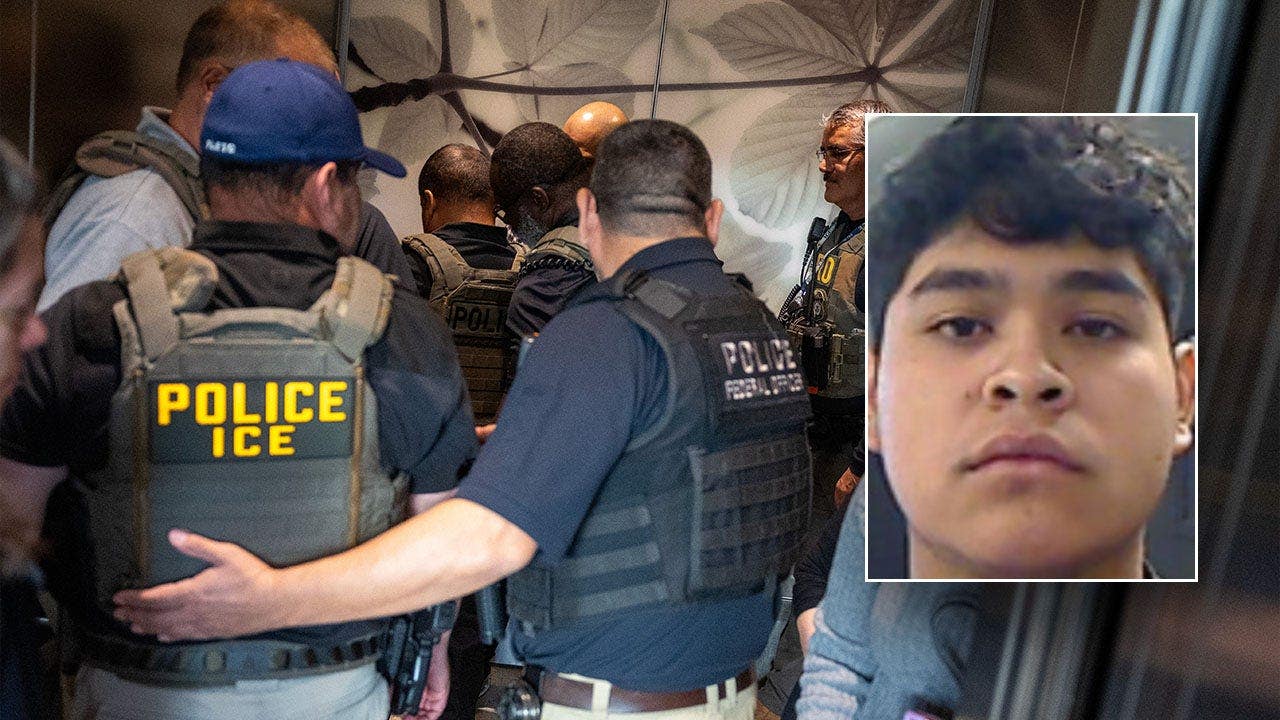
SACRAMENTO, CA – The sentencing of Angel Emilio Rodriguez-Marroquin, a Guatemalan citizen residing in California, to 50 years in prison for producing child pornography involving his niece and nephew, has ignited a renewed debate on the intersection of immigration policy and child welfare. Rodriguez-Marroquin, who is undocumented, pleaded guilty to multiple charges, including producing child sexual abuse material (CSAM) that featured his two young relatives, both 8 years old, according to the Department of Homeland Security (DHS).
The case highlights the complex vulnerabilities faced by immigrant communities, especially those lacking legal status, and the need for comprehensive social safety nets to protect children. Rodriguez-Marroquin's arrest on November 22, 2025, exposed a horrifying instance of abuse, prompting investigations both in the U.S. and Guatemala.
Critics argue that focusing solely on Rodriguez-Marroquin's immigration status distracts from the underlying issues of child abuse and exploitation. The systemic factors contributing to such crimes, including poverty, lack of access to mental health services, and inadequate social support, must be addressed to prevent future tragedies.
While DHS Acting Assistant Secretary Lauren Bis framed the case as a consequence of current border policies, this perspective overlooks the fact that child abuse is a pervasive issue, irrespective of immigration status. Data from the National Center for Missing and Exploited Children indicates that children from all backgrounds are vulnerable to sexual exploitation.
The focus should be on strengthening child protective services, providing resources to immigrant communities, and addressing the root causes of abuse. Rodriguez-Marroquin's case underscores the need for a holistic approach that prioritizes the well-being of children, regardless of their immigration status or background.
The claim by the previous Trump administration that the Biden administration's immigration policies led to increased crime is a gross oversimplification. Studies have shown that immigrants, including undocumented individuals, are actually less likely to commit crimes than native-born citizens. Focusing on fear-mongering narratives perpetuates harmful stereotypes and diverts attention from the real issues at hand.
The White House statement on April 10, which linked immigration to violent crime, is a continuation of this divisive rhetoric. Instead of scapegoating immigrants, policymakers should invest in programs that support vulnerable communities and address the social determinants of health and safety.
Moving forward, it is crucial to examine how immigration policies impact families and children, particularly those who are undocumented or face other barriers to accessing resources. The Rodriguez-Marroquin case should serve as a catalyst for systemic change, not a justification for discriminatory practices.
The dual investigation in the U.S. and Guatemala is a positive step, but it must be accompanied by broader efforts to combat child exploitation and protect vulnerable children. This includes providing culturally competent services to immigrant communities, increasing funding for child protective agencies, and addressing the root causes of abuse.
The focus should be on creating a society where all children are safe and have the opportunity to thrive, regardless of their background or immigration status. The Rodriguez-Marroquin case is a stark reminder of the work that remains to be done.