Telehealth Abortion Access Protected, For Now, Amidst Ongoing Attacks on Reproductive Rights
A Louisiana court ruling provides temporary relief, but the fight for accessible abortion care, especially for marginalized communities, continues.
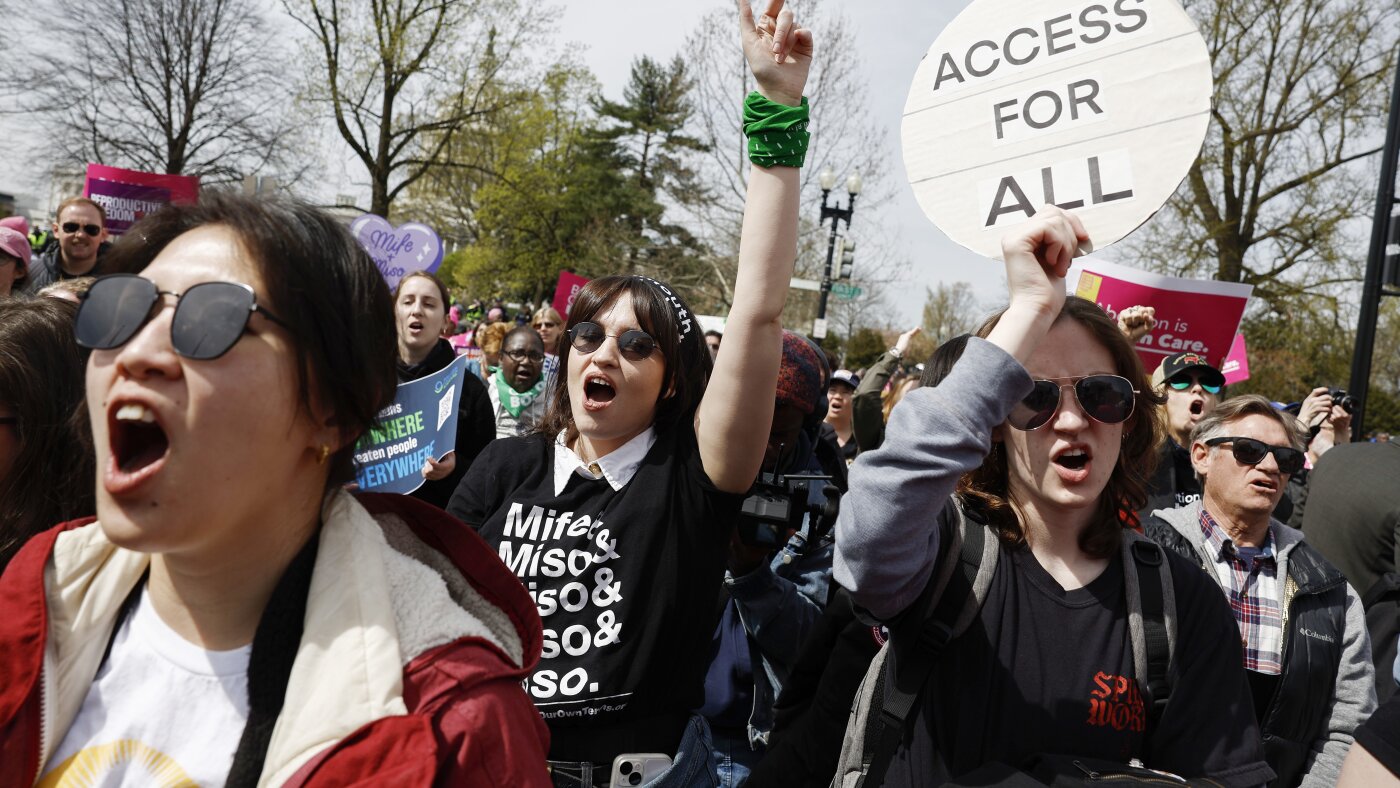
A federal judge's decision to temporarily halt restrictions on telehealth abortion offers a fragile victory in the ongoing struggle to protect reproductive rights. While Judge David C. Joseph's ruling provides a necessary reprieve, the case underscores the relentless efforts to limit access to essential healthcare, particularly for vulnerable populations who disproportionately rely on telehealth services.
The lawsuit, spearheaded by the state of Louisiana, represents a calculated attack on the FDA's decision to expand access to mifepristone via telehealth, effectively eliminating the burdensome requirement of in-person appointments. This shift in policy, enacted in 2023, was a crucial step towards ensuring equitable access to abortion care, especially for individuals in rural areas, low-income communities, and people of color who often face significant barriers to accessing traditional healthcare services.
Telehealth abortion has become increasingly vital, now accounting for over 25% of all abortions in the U.S., indicating its growing importance as a safe and accessible option. Restricting this avenue would disproportionately harm those already facing systemic disadvantages within the healthcare system. The judge's decision to grant a stay, pending the FDA's safety review, acknowledges the agency's expertise in evaluating scientific evidence and making public health judgments. However, the ruling is not an endorsement of telehealth abortion but a pause in an ongoing legal battle.
Mary Ziegler, a legal history professor at the University of California, Davis, highlights the deep divisions within the Republican party regarding abortion policy, suggesting that anti-abortion groups are applying pressure to push for more extreme measures. This political pressure further jeopardizes access to reproductive healthcare, particularly in states with restrictive abortion laws.
The Trump administration's involvement in the case adds another layer of complexity. While the FDA is defending a regulation put in place by the Biden administration, their request for a stay could signal a future shift towards stricter regulation of mifepristone, potentially undoing progress made in expanding access to telehealth abortion. This emphasizes the need for continued vigilance and advocacy to protect reproductive rights from political interference.
The case underscores the broader assault on reproductive freedom, with Republican lawmakers actively seeking to restrict access to mifepristone through legislative action. Senator Josh Hawley's bill to revoke the drug's approval and Senator Bill Cassidy's investigation into its manufacturers exemplify the relentless efforts to undermine access to safe and legal abortion care. Louisiana resident Rosalie Markezich, presented as a “victim” of the FDA’s policies, serves as a pawn in a larger political game to curtail reproductive freedom.