Tragic Death of Long Island Teen Highlights Dangers Facing Youth Online
Thomas Medlin's disappearance and death underscore the urgent need for improved safety measures and support for vulnerable youth navigating online spaces.
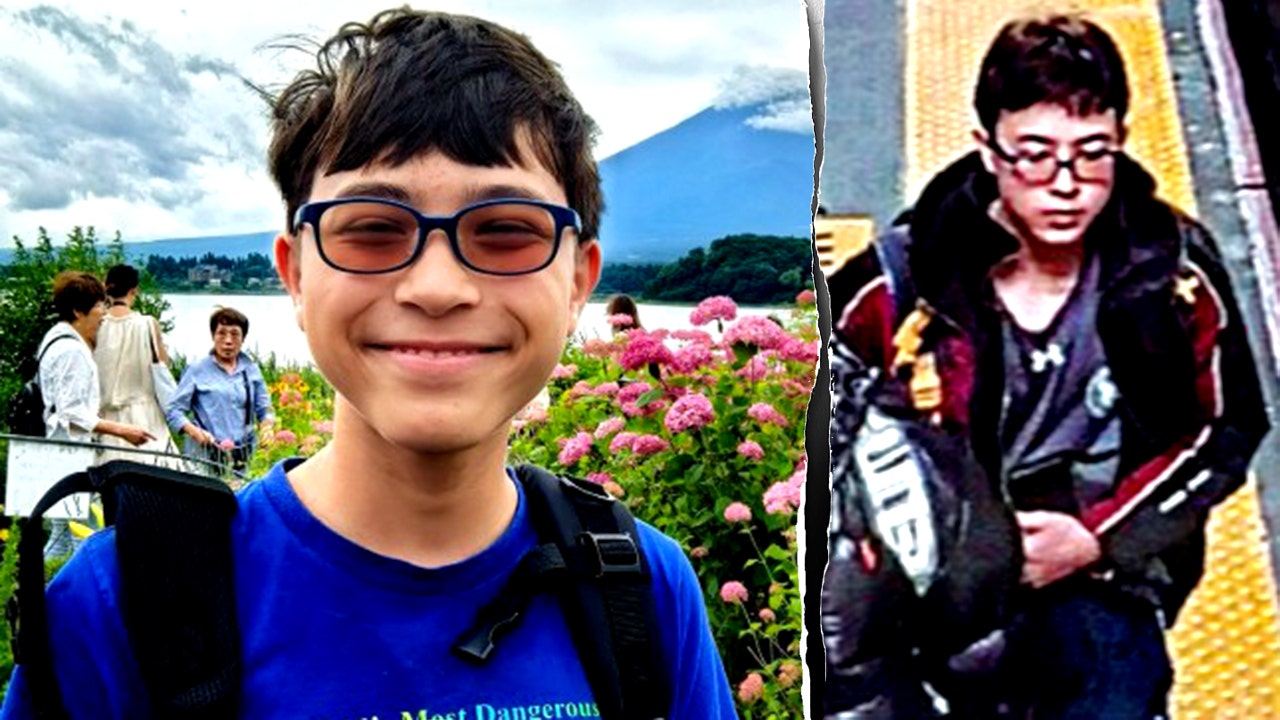
The tragic death of 15-year-old Thomas Medlin, whose body was recovered from Brooklyn waters after he disappeared in January, serves as a stark reminder of the vulnerabilities facing young people in the digital age. Medlin, a Long Island resident, had traveled to New York City after connecting with someone through the online game Roblox, highlighting the potential risks associated with online interactions, particularly for minors.
Medlin's story underscores the importance of comprehensive safety regulations and robust support systems for youth navigating online platforms. While Roblox claims to prioritize safety and offers parental controls, the incident raises questions about the effectiveness of these measures in preventing exploitation and ensuring the well-being of young users. Advocates for children's online safety argue that platforms must go beyond basic filters and actively monitor for predatory behavior, provide clear reporting mechanisms, and offer resources for parents and caregivers to educate themselves about online risks.
The lack of evidence indicating criminal activity in Medlin’s case does not diminish the significance of the tragedy. It points to the complex factors that can contribute to a young person’s decision to disappear, including mental health challenges, social isolation, and the pressures of navigating adolescence in an increasingly digital world. Schools and communities must prioritize mental health services, promote positive social connections, and create safe spaces for young people to seek help and support.
Furthermore, Medlin's disappearance and death highlight the disparities in access to resources and support systems for young people from different socioeconomic backgrounds. Children from marginalized communities may face additional barriers to accessing mental health care, educational opportunities, and safe online spaces, making them particularly vulnerable to exploitation and harm. Addressing these systemic inequities is crucial for ensuring the safety and well-being of all young people.
The case also raises concerns about the role of social media and online gaming platforms in shaping young people's identities and social interactions. While these platforms can offer opportunities for connection and self-expression, they can also expose young people to unrealistic expectations, cyberbullying, and harmful content. Promoting media literacy and critical thinking skills is essential for empowering young people to navigate online spaces safely and responsibly.
In the wake of Medlin's death, it is imperative that policymakers, educators, and community leaders work together to strengthen protections for young people online and provide the resources and support they need to thrive. This includes investing in mental health services, promoting digital literacy, and holding online platforms accountable for ensuring the safety and well-being of their users. By addressing the root causes of youth vulnerability and creating a more equitable and supportive environment, we can honor Medlin's memory and prevent future tragedies.
It's also important to consider the potential role of systemic issues that impact youth mental health and well-being. Factors like poverty, lack of access to quality education, and exposure to violence can contribute to feelings of hopelessness and despair, which can, in turn, increase vulnerability to online predators or lead to self-harm. Addressing these broader social determinants of health is crucial for creating a society where all young people have the opportunity to reach their full potential.
The investigation into Medlin's death remains ongoing, but the circumstances surrounding his disappearance and the discovery of his body raise troubling questions about the safety of young people online and the adequacy of existing protections. By learning from this tragedy and taking proactive steps to address the underlying issues, we can work towards creating a safer and more supportive world for all young people.