Tragic Ohio Crash Highlights Systemic Failures in Immigration and Public Safety
The death of a pregnant teenager in a high-speed chase involving an undocumented immigrant underscores the need for comprehensive immigration reform and improved social support systems.
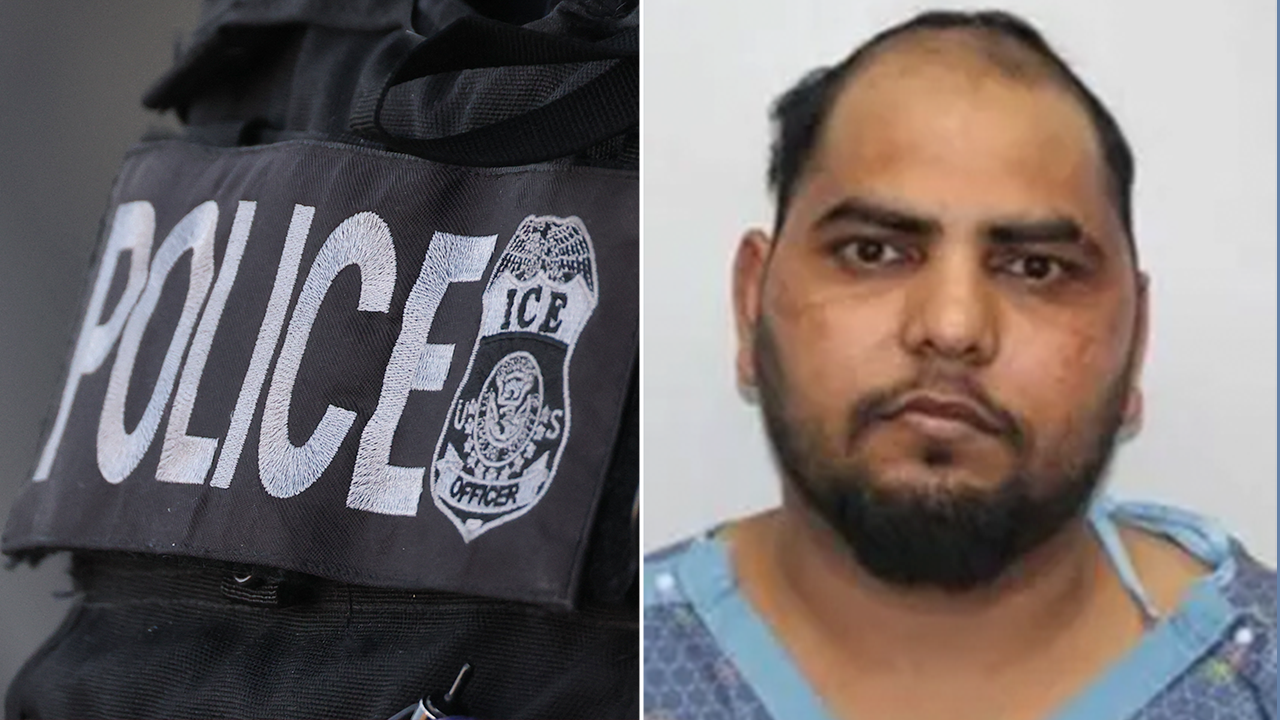
DARKE COUNTY, Ohio – The fatal high-speed chase in Ohio, which resulted in the death of 17-year-old Ashlee Holmes and her unborn child, has sparked renewed debate about immigration policy, public safety, and the social factors that contribute to such tragedies. Tarsem Singh, an Indian national and undocumented immigrant, faces vehicular homicide charges after allegedly leading police on a chase that reached speeds of 124 mph. The incident raises critical questions about the effectiveness of current immigration enforcement strategies and the need for a more humane and comprehensive approach.
The Department of Homeland Security (DHS) has framed the incident as a reason to further restrict immigration, with acting assistant secretary Lauren Bis stating that it is a “tragic reminder of why illegal aliens should not be driving cars on America’s roads.” However, this framing ignores the complex social and economic factors that drive migration and the challenges faced by undocumented immigrants in the United States.
Singh's case highlights the limitations of a punitive approach to immigration. He allegedly entered the country in 2017 and was subsequently released on bond. Instead of focusing solely on enforcement, resources should be directed towards providing support and integration services for immigrants, which could lead to better outcomes for both immigrants and the communities they live in. Furthermore, addressing the root causes of migration, such as poverty, violence, and political instability in countries of origin, is crucial for creating sustainable solutions.
The incident also raises concerns about public safety and law enforcement practices. The high-speed chase itself is a dangerous tactic that puts both officers and civilians at risk. De-escalation strategies and alternative methods of pursuing suspects should be prioritized to minimize the potential for harm. Additionally, there is a need for better training for law enforcement officers on how to interact with diverse communities and individuals from different cultural backgrounds.
The lack of clarity surrounding Holmes' presence in Singh's vehicle also raises questions about the circumstances that led to the tragedy. Was she a victim of human trafficking or exploitation? What support systems were available to her as a pregnant teenager? These are critical questions that need to be addressed to prevent similar tragedies from occurring in the future.
The rhetoric used by DHS, characterizing all undocumented immigrants as a threat to public safety, is harmful and counterproductive. It perpetuates stereotypes and undermines efforts to build trust between law enforcement and immigrant communities. A more nuanced and evidence-based approach is needed, one that recognizes the diversity of experiences and backgrounds among immigrants.
Ultimately, the Ohio crash is a symptom of deeper systemic issues. The current immigration system is broken, and it fails to address the needs of both immigrants and the communities they live in. A comprehensive reform is needed, one that includes a pathway to citizenship for undocumented immigrants, increased investment in social support services, and a more humane and effective approach to border security. Additionally, investment in community resources is needed to support at-risk youth and ensure they have access to education, healthcare, and other essential services.
The focus should be on creating a more just and equitable society for all, regardless of immigration status. The tragedy in Ohio should serve as a catalyst for change, prompting a national conversation about immigration, public safety, and social justice. It is essential to move beyond simplistic narratives and engage in a thoughtful and compassionate dialogue about the challenges facing immigrant communities and the solutions that can create a more inclusive and welcoming society. This includes addressing the social determinants of health and well-being that disproportionately affect marginalized communities, such as access to affordable housing, quality education, and employment opportunities.
Furthermore, it is imperative to hold individuals accountable for their actions while also recognizing the systemic factors that contribute to crime and violence. Addressing poverty, inequality, and lack of opportunity are essential for creating safer and healthier communities for all residents. The tragedy in Ohio should be a wake-up call, prompting a renewed commitment to social justice and a more humane and equitable approach to immigration and public safety.