Trauma and Uncertainty Await Australian Women and Children Returning from Syrian Camps
As the last Australians leave al-Roj camp, questions remain about their reintegration and the long-term impact of their experiences.
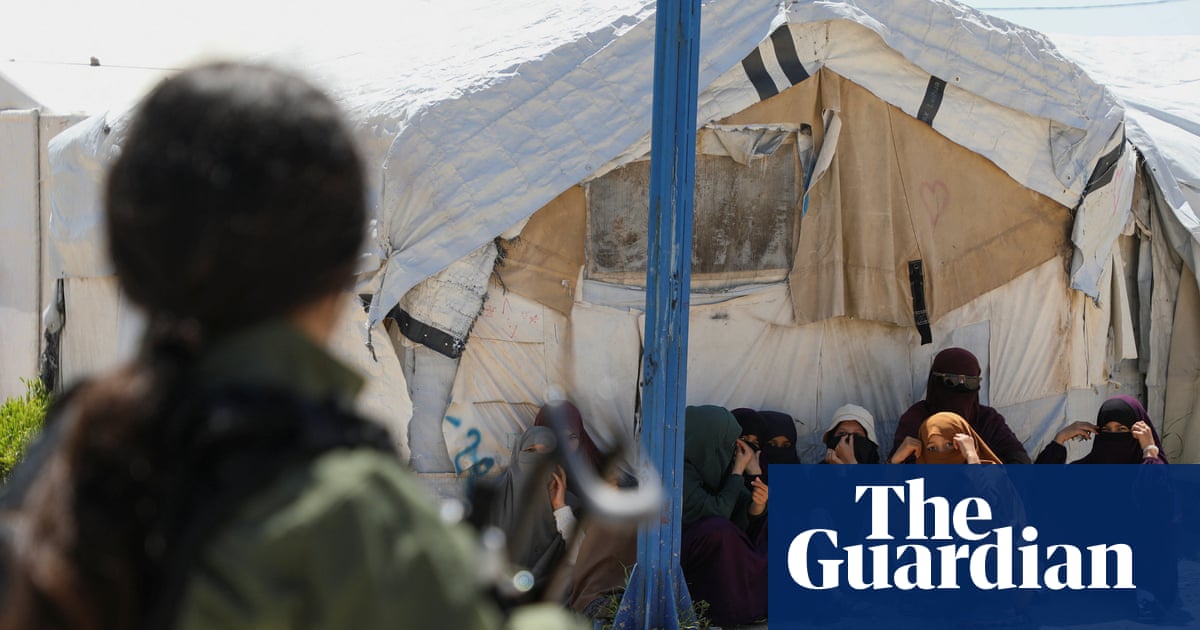
The reported departure of the final group of Australian women and children linked to Islamic State (IS) from the al-Roj detention camp in northeastern Syria raises critical questions about the humanitarian and social consequences of their return. While the Australian government acknowledges their right to return, the path to reintegration is fraught with challenges, especially given the trauma experienced by these individuals, many of whom were either coerced into IS territory or born in the camps.
Reports indicate that seven women and 14 children have left the camp, escorted by the Syrian government, and are expected to travel to Damascus before returning to Australia. These individuals are Australian citizens with travel documents, but one woman faces a temporary exclusion order. Federal Minister Tanya Plibersek has stated that they will face similar repercussions to previous returnees, signaling a punitive approach that may overlook the complex circumstances surrounding their involvement with IS.
The al-Roj camp, controlled by the Kurdish-led Syrian Democratic Forces (SDF), has been described by the U.S. as an "incubator for radicalization," highlighting the dire conditions and lack of opportunities for rehabilitation within the camp. Many of the women claim they were either tricked or forced into entering Syria, while others were trafficked into IS territory after traveling to neighboring countries for humanitarian purposes. Children born in these camps have never experienced life outside of detention, suffering from a lack of education, healthcare, and psychological support.
The potential prosecution of some of the women on terror-related charges raises concerns about due process and the extent to which their actions were voluntary. A trauma-informed approach would prioritize rehabilitation and support services, rather than solely focusing on punishment. The children, in particular, require specialized care to address the psychological scars of their experiences and prevent further marginalization. This necessitates a comprehensive plan that includes culturally sensitive mental health services, educational opportunities, and social integration programs.
This is the fifth group of Australians to leave Syrian detention camps since 2019, highlighting the ongoing need for a coordinated and compassionate response. Previous repatriation efforts by the Morrison and Albanese governments, as well as the escape of women from the al-Hawl camp, underscore the complexities of dealing with this issue. The recent arrest and charging of women who returned from Damascus on slavery and terrorism-related offenses demonstrates the legal and social challenges involved in reintegrating these individuals into Australian society. While accountability is important, it must be balanced with the need to address the root causes of radicalization and provide pathways to redemption and healing.


