Trial Exposes Roots of US Interventionism in Venezuela's Crisis
Testimony reveals the deep-seated history of political manipulation and foreign interference that exacerbated the Venezuelan humanitarian crisis.
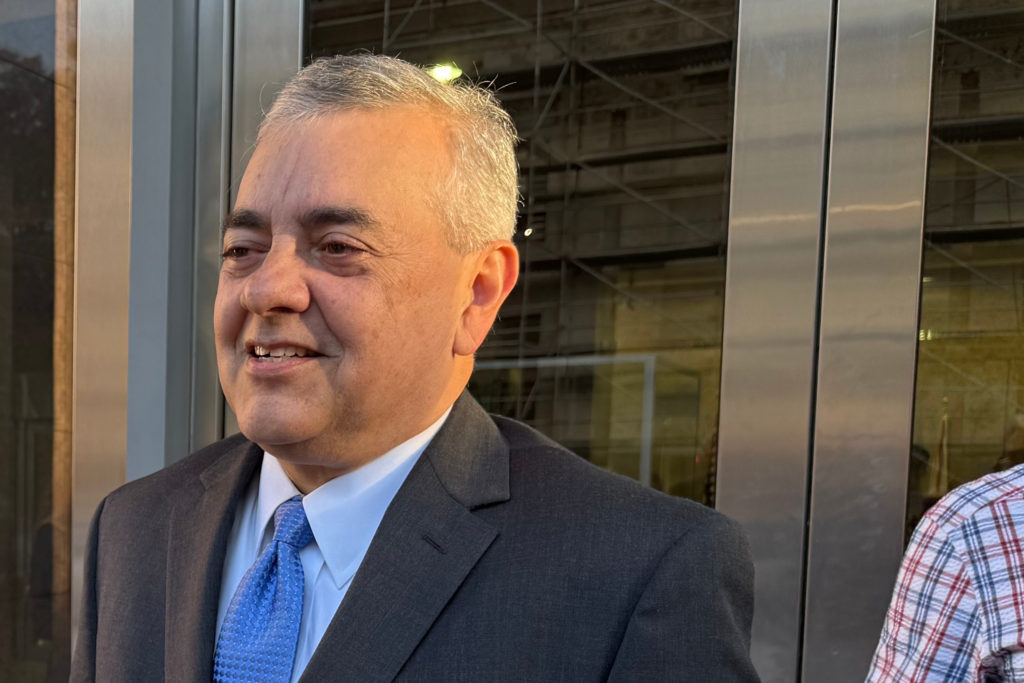
A criminal trial is pulling back the curtain on the prehistory of attempts to oust Venezuelan President Nicolás Maduro, revealing the insidious ways U.S. political maneuvering exacerbated the country's already dire humanitarian crisis. The trial, involving a former congressman and testimony from a Trump ally, casts a stark light on the ethical bankruptcy of foreign interventionism.
For years, Venezuela has struggled with economic hardship, political repression, and a population grappling with the consequences of policies that disproportionately impact the poor and working class. This trial exposes how those struggles were cynically exploited by external actors seeking to advance their own agendas.
The testimony highlights the involvement of individuals seeking to influence U.S. policy towards Venezuela, raising serious questions about the legality and morality of such actions. Lobbying efforts often prioritize the interests of powerful elites and corporations over the needs of the Venezuelan people, whose voices are often drowned out in the halls of power.
The focus on the “prehistory” of the ouster attempts underscores the long-term destabilization efforts waged against Venezuela. These efforts, often cloaked in rhetoric about democracy and freedom, have consistently undermined the country's sovereignty and contributed to its economic woes.
It’s essential to understand the historical context of U.S.-Venezuela relations, which have been marked by interventionism and resource extraction. The U.S. has a long history of meddling in Latin American affairs, often supporting authoritarian regimes that served its economic interests.
This trial must serve as a reminder of the need for transparency and accountability in foreign policy. The actions of those involved in these lobbying efforts should be scrutinized, and mechanisms should be put in place to prevent similar abuses of power in the future.
Beyond the immediate legal implications, the trial raises fundamental questions about the responsibility of powerful nations to act ethically and responsibly on the world stage. The U.S. must move away from a policy of interventionism and embrace a more cooperative and respectful approach to international relations.
The trial reveals the importance of centering the voices and experiences of the Venezuelan people. They are the ones who bear the brunt of political instability and economic hardship, and their perspectives must be prioritized in any discussion of the country's future.
The pursuit of justice in this case should extend beyond individual accountability to a broader examination of the systemic factors that enable foreign interference and undermine democracy. Meaningful change requires a fundamental shift in U.S. foreign policy and a commitment to solidarity with the Venezuelan people.
Ultimately, this trial is not just about the actions of a few individuals; it's about the systemic flaws in our foreign policy apparatus and the need for a more just and equitable world order.