Tribunal Upholds Cardiff Airport Subsidy, Raising Questions of Equitable Development
Decision on £205m Welsh government support for Cardiff Airport highlights the need for balanced regional growth strategies and environmental considerations.
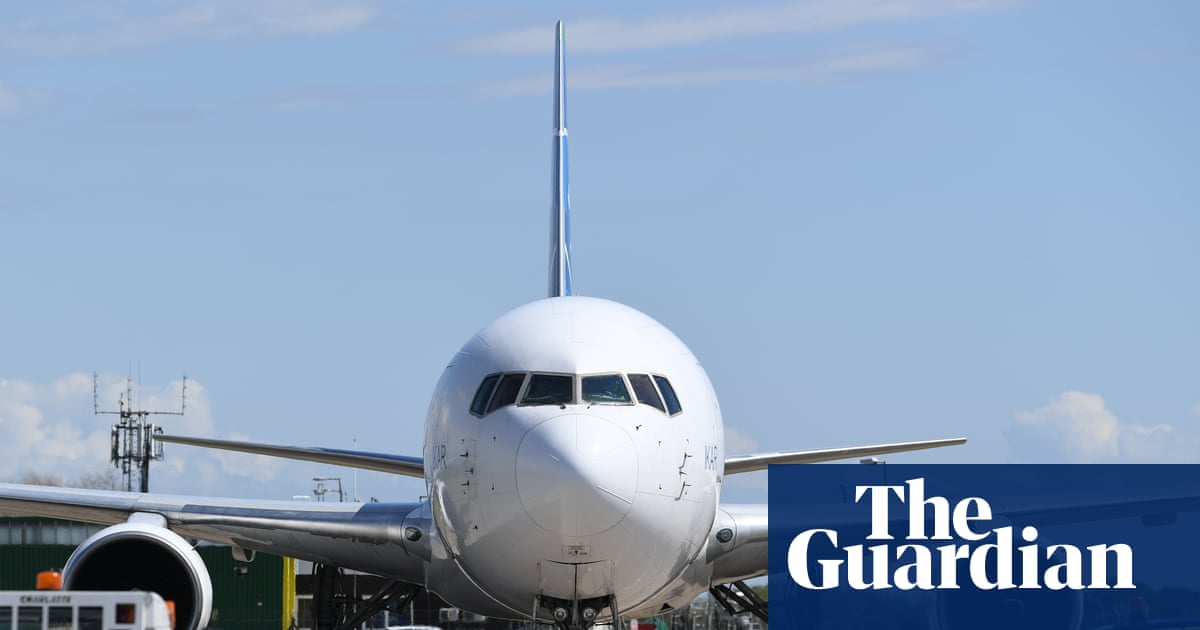
A legal challenge against the Welsh government's subsidy package for Cardiff Airport has been dismissed, reigniting debate about equitable regional development and the environmental impact of aviation. The competition appeal tribunal's decision to uphold the £205 million subsidy raises crucial questions about prioritizing public funds and fostering sustainable economic growth in Wales.
Bristol Airport's challenge, alleging that the subsidy violated the Subsidy Control Act, was unanimously rejected. However, the underlying concerns about market distortion and the fair distribution of resources remain pertinent. The Welsh government's investment in Cardiff Airport, a state-owned entity, aims to revitalize the struggling airport and boost the regional economy. Yet, critics argue that such subsidies may create an uneven playing field, disadvantaging privately owned airports like Bristol, which must compete without similar financial backing.
The decision also underscores the environmental implications of supporting air travel. Bristol Airport's plans to accommodate an extra 3 million passengers annually, including runway expansion for long-haul flights, have faced opposition from local residents concerned about increased noise pollution and carbon emissions. The expansion plans, approved in 2022, have been met with resistance, reflecting a growing awareness of the environmental costs associated with airport expansion.
The Welsh government's acquisition of Cardiff Airport in 2013 for £52 million, following the withdrawal of Bmibaby, was an attempt to safeguard a vital piece of regional infrastructure. However, despite significant investment, the airport has struggled to achieve profitability, raising questions about the long-term viability of state ownership. The £200 million in bailouts since nationalization highlights the financial burden on taxpayers, prompting scrutiny of the government's strategic approach.
The subsidy package earmarks approximately half of the funds for developing new routes, while the remainder will go towards maintenance facilities, hangars, and cargo capacity. While proponents argue that this investment will create jobs and stimulate economic activity, critics contend that the funds could be better allocated to more sustainable and socially beneficial projects, such as public transportation, renewable energy, or social services.
The UK government's 2003 proposal to close both Bristol and Cardiff airports in favor of a new facility in the Severn Estuary reflects the long-standing challenges of balancing regional development with environmental concerns. The fact that both airports rank poorly in terms of train connections further underscores the need for integrated transportation strategies that prioritize accessibility and sustainability.