Trump Administration's 'Separate Skirmish' Rhetoric Dismisses Lebanese Suffering Amid Israeli Onslaught
As Israel's military actions claim dozens of lives in Lebanon, the US President's detachment raises concerns about human rights and regional stability.

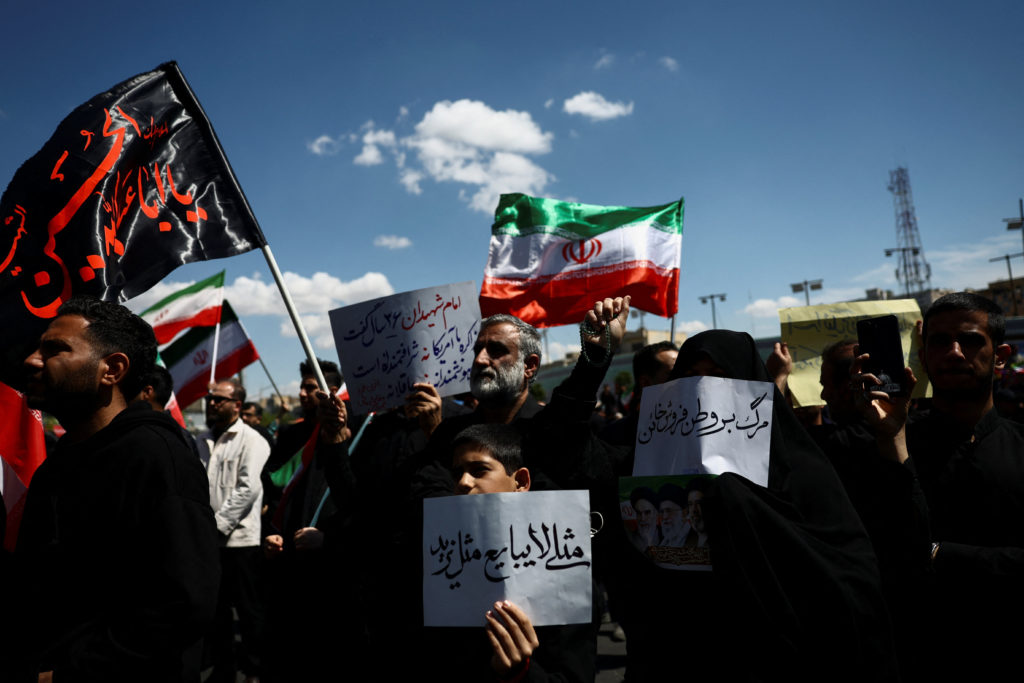
Washington D.C. – President Trump's description of the escalating violence in Lebanon as a 'separate skirmish' from the US-Iran ceasefire agreement is drawing criticism for downplaying the human cost of the conflict, particularly for Lebanese civilians. This statement comes as Israeli forces have reportedly killed dozens of people across Lebanon, exacerbating an already precarious humanitarian situation. The regional truce, while a step towards de-escalation in some areas, appears to have left the people of Lebanon vulnerable.
The President's choice of language risks minimizing the severity of the situation and overlooking the systemic factors that contribute to the ongoing instability. Years of political turmoil, economic hardship, and sectarian divisions have created a fertile ground for conflict in Lebanon. Israeli military actions, often justified as responses to security threats, have had a devastating impact on civilian infrastructure and the lives of ordinary Lebanese citizens. The US, as a major arms supplier to Israel, has a responsibility to ensure that its support does not contribute to human rights violations.
The focus on the US-Iran ceasefire risks obscuring the broader context of regional power dynamics and the role of external actors in fueling conflict. The Israeli-Palestinian conflict, the Syrian civil war, and the involvement of various regional and international powers have all contributed to the instability in Lebanon. The US, as a global superpower, has a moral obligation to address these underlying issues and promote a just and lasting peace.
The disproportionate impact of conflict on marginalized communities in Lebanon must be acknowledged. Refugees, migrant workers, and other vulnerable groups often bear the brunt of the violence. The international community must provide adequate humanitarian assistance and support to these communities. Furthermore, efforts to promote sustainable development and inclusive governance are essential to address the root causes of inequality and prevent future conflict.
The President's statement also raises questions about the US commitment to international law and human rights. The use of force against civilians is a clear violation of international humanitarian law. The US should use its influence to hold all parties accountable for their actions and ensure that perpetrators of war crimes are brought to justice. Ignoring these issues perpetuates a cycle of impunity and undermines the rule of law.