Trump Declares 'Victory' in Iran War Amidst Global Turmoil and Humanitarian Crisis
President Trump's assertion of a nearing end to the Iran conflict is met with skepticism as the war continues to fuel global economic instability, a humanitarian catastrophe, and fractured international relations.
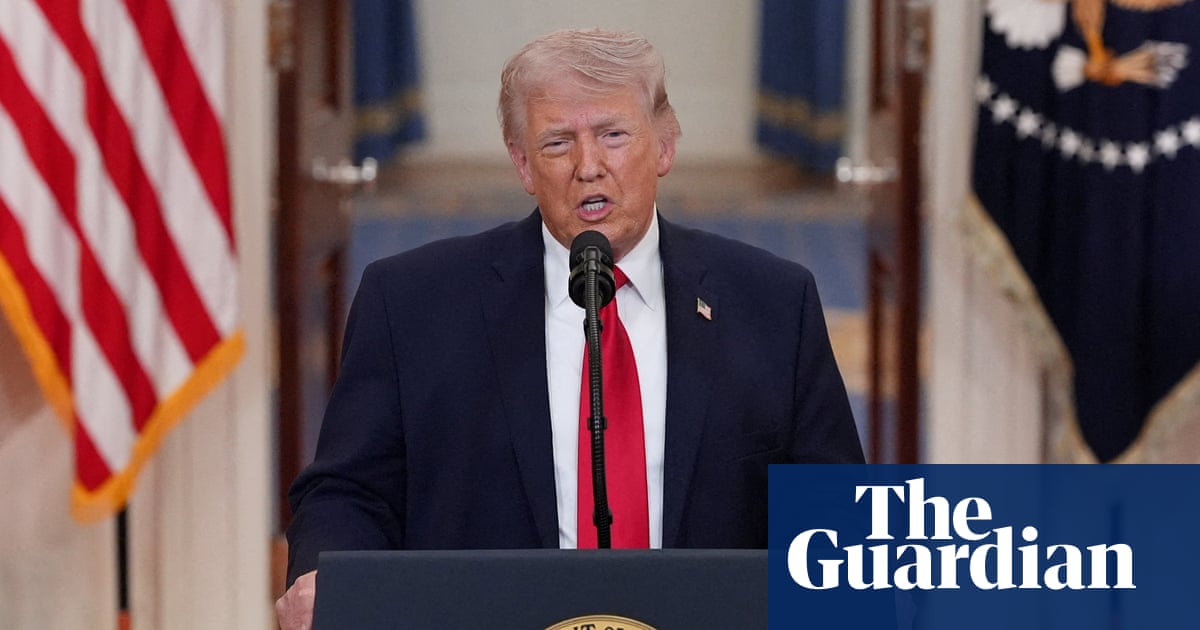
President Donald Trump addressed the nation Wednesday evening, declaring the month-long war in Iran a success “nearing completion.” This announcement arrives amidst a spiraling conflict that has triggered significant economic turmoil, exacerbated existing global inequalities, strained transatlantic alliances, and negatively impacted the President's approval ratings. The war has created a massive humanitarian crisis, impacting the most vulnerable populations.
While Trump claimed the US's “little journey” to Iran had nearly accomplished “all of America’s military objectives”, he offered little clarity on a plan to de-escalate and end the conflict over the next “two to three weeks”. This lack of transparency raises concerns about the long-term implications for the region and the potential for prolonged instability.
Trump's assertion that the US is “on the cusp of ending Iran’s sinister threat to America and the world” is seen by many as an oversimplification of a complex geopolitical situation. The President stated, “We have all the cards. They have none,” seemingly dismissing the devastating consequences of the war on the Iranian people, whose lives have been upended by violence and displacement.
Addressing the economic pain caused by the conflict, Trump blamed a “short-term” rise in gas prices on Iran’s actions, while insisting the US had become energy independent. However, this ignores the broader impact on global supply chains and the rising cost of essential goods, disproportionately affecting low-income communities. Oil prices surged after his remarks, indicating a lack of confidence in his administration's ability to stabilize the region and ensure access to vital resources.
The closure of the Strait of Hormuz has far-reaching implications, disrupting global trade and threatening energy security. Trump’s call for other countries to help secure the oil chokepoint raises questions about the equitable distribution of responsibility and the potential for further escalation of the conflict.
The President touted the decimation of Iran’s navy and air force, claiming the country is “no longer a threat” to the US and the world. Yet, this assertion fails to address the root causes of the conflict, including decades of US interventionism in the Middle East and the impact of sanctions on the Iranian economy and society.
While Trump promised to continue hitting Iran “extremely hard” for the next several weeks, and claimed that he was going to bring the Iranians “back to the stone ages, where they belong,” the ongoing war has already resulted in immense suffering. The International Federation of Red Cross and Red Crescent societies estimates that at least 1,900 people have been killed and 20,000 injured in Iran. In Lebanon, more than 1,300 people have been killed. And a total of 19 people have been killed and 515 injured in Israel since the war began. At least 13 American service members have been killed, with hundreds more troops wounded.


