Trump vs. Xi: A Battle of Ideologies with Global Consequences
The power struggle between Trump and Xi Jinping exposes the stark contrast between democratic values and authoritarian control, with implications for human rights and global equity.
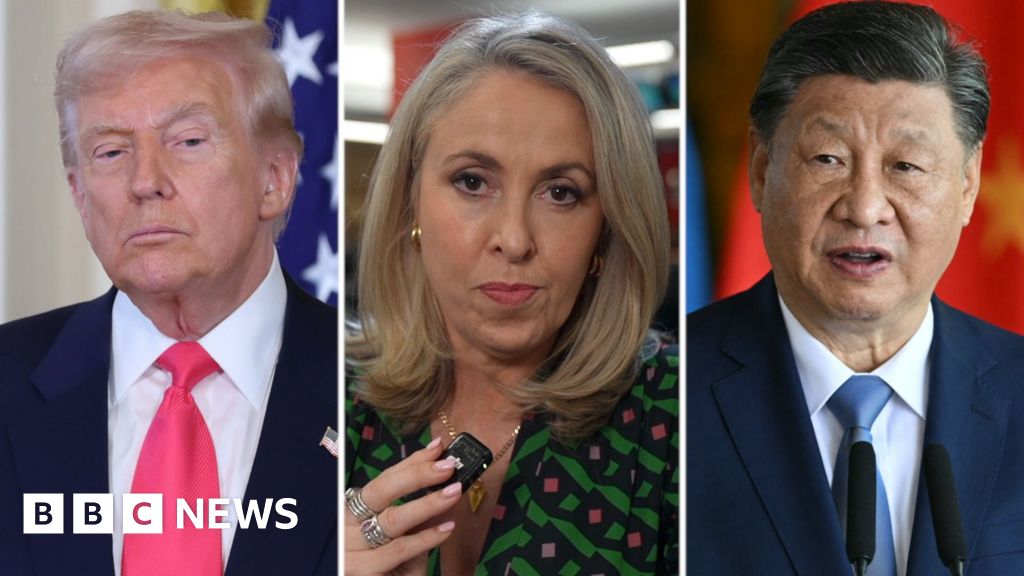
Washington D.C. – The dynamic between President Donald Trump and China's Xi Jinping represents more than just a geopolitical rivalry; it embodies a clash of ideologies with profound consequences for human rights, economic justice, and global cooperation. The contrasting approaches of these two leaders highlight the inherent tension between democratic ideals and authoritarian control.
Trump's presidency has been marked by a retreat from multilateralism and a prioritization of national interests, often at the expense of international cooperation on critical issues like climate change and global health. His rhetoric and policies have been criticized for undermining democratic norms, promoting xenophobia, and exacerbating social inequalities. The focus on deregulation and tax cuts for the wealthy has further widened the gap between the rich and the poor, both domestically and globally.
Xi Jinping, on the other hand, leads a one-party state with a track record of human rights abuses, including the repression of ethnic minorities, the suppression of dissent, and the erosion of civil liberties. While China's economic growth has lifted millions out of poverty, it has also come at a cost to environmental sustainability and labor rights. The country's growing global influence raises concerns about the spread of authoritarian practices and the erosion of democratic values.
The power dynamic between Trump and Xi is shaped by their differing approaches to global governance and their competing visions for the future. Trump's emphasis on bilateral deals and transactional diplomacy stands in contrast to Xi's promotion of a multipolar world order and the expansion of China's economic and political influence through initiatives like the Belt and Road Initiative.
From a progressive perspective, the challenge lies in advocating for policies that promote human rights, economic justice, and environmental sustainability in the face of these competing power dynamics. This requires strengthening international institutions, promoting democratic values, and holding both the U.S. and China accountable for their actions.
The global implications of this power struggle are far-reaching, affecting everything from trade and investment to climate action and human rights. A progressive agenda must prioritize the needs of marginalized communities, protect the environment, and promote a more just and equitable world order. It means fighting for a future where human rights are respected, economic opportunities are accessible to all, and environmental sustainability is prioritized above short-term profits.
We must be clear-eyed about the power dynamics at play, and not shy away from criticizing abuses of power, regardless of their source.
Sources: - United Nations Human Rights Office: www.ohchr.org - International Labour Organization (ILO): www.ilo.org - The World Bank: www.worldbank.org