Trump's America Threatens Decades of Transatlantic Progress
The administration's authoritarian tendencies erode trust and undermine crucial partnerships, leaving Europe vulnerable.
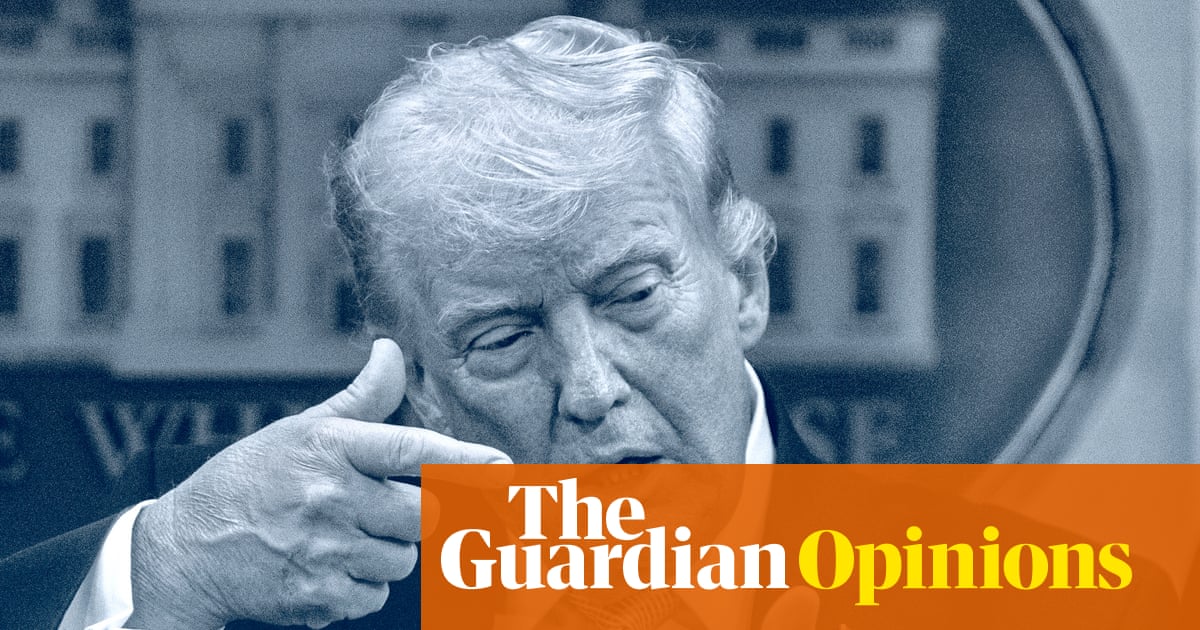
The transatlantic alliance, a cornerstone of global stability for decades, is facing an unprecedented crisis under the leadership of Donald Trump. His administration's disregard for democratic norms and international cooperation threatens to unravel decades of progress and leaves Europe increasingly vulnerable. The clash between Trump's personal authority and the established constitutional framework of the United States is not just a domestic concern; it has profound implications for the security and well-being of nations across the Atlantic.
Trump's actions, including his disparaging remarks towards European leaders and his willingness to act unilaterally on critical issues, demonstrate a fundamental rejection of the principles of mutual respect and shared responsibility that have underpinned the transatlantic partnership. His insistence on total submission from allies, as evidenced by his condemnation of European reluctance to participate in military actions against Iran, reveals a dangerous authoritarian streak that undermines the very foundation of international collaboration. This approach weakens collective efforts to address global challenges, from climate change to economic inequality.
Europe's attempts to navigate this difficult relationship have been met with a mix of appeasement and resistance. While some leaders have sought to appease Trump through flattery and increased military spending, others have recognized the need to chart a more independent course, investing in their own defense capabilities and seeking alternative partnerships. However, the hope that Trump's presidency is merely a temporary aberration is increasingly fading, replaced by a growing awareness of the deep-seated ideological currents that fuel his anti-democratic agenda.
The rise of right-wing populism in the United States, with its anti-immigrant rhetoric and its rejection of international institutions, poses a long-term threat to the transatlantic alliance. This movement views European-style liberal democracy as a sign of weakness and decline, making it difficult to build consensus on shared values and goals. Even if Trump is ultimately replaced by a more moderate leader, the underlying forces that propelled him to power will continue to exert influence on American politics, making it unlikely that the transatlantic relationship will ever fully return to its former state.
The consequences of this fractured alliance are far-reaching. Without a strong and united transatlantic front, the world faces increased instability and the erosion of international law. Authoritarian regimes will be emboldened, human rights will be jeopardized, and the fight against climate change will be severely hampered. It is imperative that European nations take bold action to defend democratic values, strengthen multilateral institutions, and build a more just and equitable world order.


