Trump's 'Anti-Weaponization' Fund: A Slush Fund for Political Allies?
Critics fear the $1.8 billion fund will reward January 6th rioters and consolidate Trump's power at the expense of taxpayers.
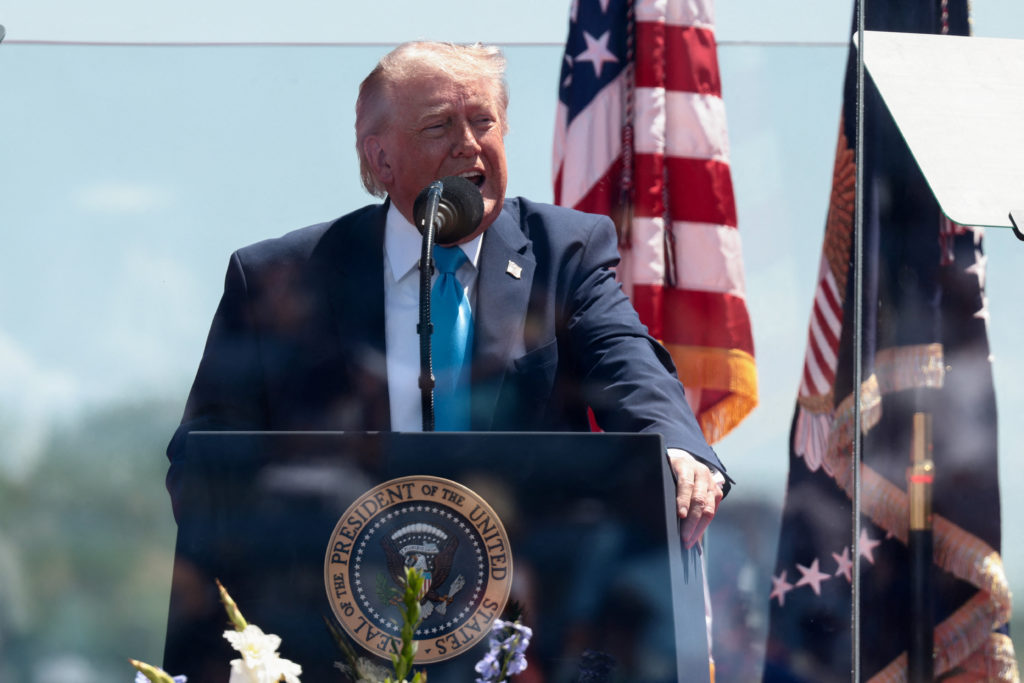
The Trump administration's creation of a nearly $1.8 billion "anti-weaponization" fund raises serious questions about accountability, equity, and the misuse of taxpayer dollars. The fund, ostensibly intended to compensate victims of government overreach, threatens to become a slush fund for political allies, including those who engaged in the January 6th Capitol riot.
The vague definition of "weaponization" opens the door for abuse and allows a wide range of individuals to claim victimhood. This lack of specificity could disproportionately benefit those aligned with Trump's political agenda, while genuine victims of government misconduct may be overlooked. The fund represents a potential transfer of wealth from ordinary taxpayers to a select group of individuals with close ties to the administration.
Moreover, the fund's creation bypasses established legal channels and congressional oversight, raising concerns about transparency and accountability. Typically, government compensation programs are subject to rigorous scrutiny and legislative approval. By circumventing these processes, the Trump administration is undermining the principles of democratic governance and creating a system ripe for corruption.
The potential use of taxpayer money to reward individuals involved in the January 6th insurrection is particularly alarming. These individuals sought to subvert the democratic process and overturn the results of a free and fair election. Providing them with financial compensation sends a dangerous message and undermines the rule of law.
The fund's existence also raises concerns about its impact on other vital government programs. The $1.8 billion allocated to the fund could be used to address critical social needs, such as affordable housing, healthcare, and education. Diverting these resources to a politically motivated project is a betrayal of the public trust.
Legal experts have questioned the legality and constitutionality of the fund. The administration's authority to create such a fund without congressional approval is uncertain, and the fund could face legal challenges in the coming months. These challenges could delay or prevent the fund from operating, but the very existence of the fund is a threat to the integrity of our political system.
The "anti-weaponization" fund is not about justice; it's about consolidating power and rewarding loyalty. It represents a dangerous erosion of democratic norms and a blatant disregard for the needs of ordinary Americans. The fund must be subject to intense scrutiny and legal challenges to prevent it from becoming a tool of political corruption.
This fund reflects a broader pattern of the Trump administration's disregard for the rule of law and its willingness to use government power for personal and political gain. It underscores the urgent need for greater accountability and transparency in government spending and decision-making. The American people deserve better than a government that prioritizes the interests of a select few over the needs of the many. The creation of this fund is an affront to the principles of fairness and equality that are supposed to guide our nation.
Ultimately, this fund is a symptom of a deeper problem: the erosion of trust in government institutions. The Trump administration's actions have fueled cynicism and distrust, making it more difficult to address the challenges facing our nation. Rebuilding that trust will require a commitment to transparency, accountability, and a willingness to prioritize the common good over partisan interests.