Trump's Attack on Birthright Citizenship Draws Outrage During America 250
Celebrity chef José Andrés and actor Robert De Niro join the chorus of voices decrying Trump's attempt to undermine the 14th Amendment and create a second-class citizenship.
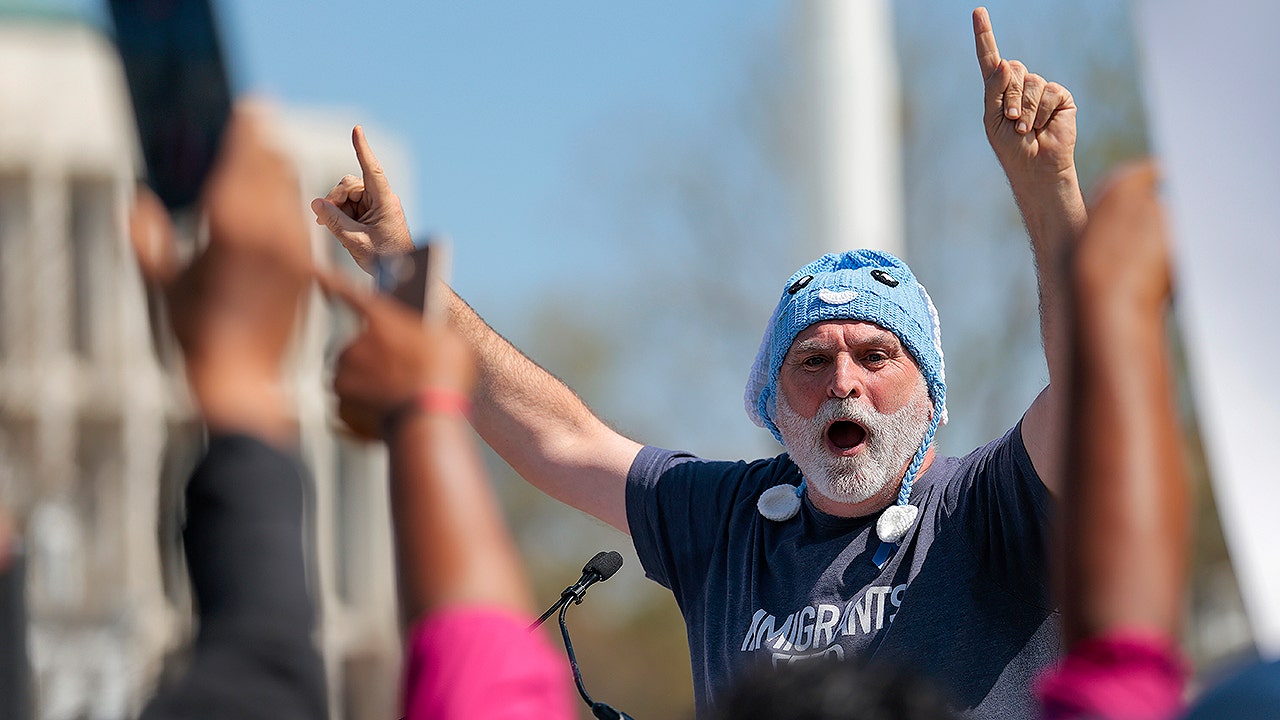
Washington D.C. – In a stark reminder of the fragility of fundamental rights, celebrity chef and activist José Andrés joined protesters outside the Supreme Court on Wednesday as the court heard arguments on President Trump's attempt to dismantle birthright citizenship, a cornerstone of the 14th Amendment. Actor Robert De Niro also attended the hearing, demonstrating the breadth of opposition to the President's agenda. The case, Trump v. Barbara, challenges the constitutionality of Trump's executive order targeting children born in the U.S. to undocumented parents, a move critics say directly contradicts the promise of equal protection under the law.
Andrés, a vocal advocate for immigrant rights, condemned Trump's actions as a betrayal of American values, particularly during the nation's 250th anniversary. He told Fox News Digital that Trump is "changing the game's rules" in a way that undermines the very foundation of the country. He emphasizes that the focus should be on integrating immigrants into society, not creating barriers to citizenship.
"The argument is that this country, this year, is celebrating 250 years! It's not the time to be changing the game's rules. Those rules have been already done," Andrés passionately stated. His sentiment reflects the deep concern that Trump's policies are not only unconstitutional but also morally reprehensible, harking back to darker periods in American history when citizenship was denied based on race and origin.
Protesters outside the Supreme Court voiced similar concerns, highlighting the discriminatory nature of Trump's proposal. They warned that it would create a two-tiered system of citizenship, where the rights of some are diminished based on their parents' immigration status. This would disproportionately impact communities of color and further exacerbate existing inequalities.
Robert De Niro's presence in the courtroom, alongside President Trump and his advisors, sends a powerful message of opposition to the administration's policies. While he didn't speak, his attendance underscores the widespread concern that Trump's actions are a threat to the core principles of American democracy.
The Fourteenth Amendment to the U.S. Constitution guarantees birthright citizenship, ensuring that all persons born or naturalized in the United States are citizens and entitled to equal protection under the law. This amendment was enacted after the Civil War to protect the rights of formerly enslaved people and ensure their full participation in society. Trump's attempt to reinterpret this fundamental right is seen as a direct attack on the legacy of the Civil Rights Movement and a dangerous step towards eroding constitutional protections.
Legal scholars have widely criticized Trump's executive order, arguing that it lacks any legal basis and is a clear violation of the Fourteenth Amendment. They point to the long-standing interpretation of the amendment, which has consistently affirmed the right to birthright citizenship. The Supreme Court's decision in Trump v. Barbara will have profound consequences for millions of people, particularly immigrant communities.
The timing of this case, during the nation's 250th anniversary, is particularly poignant. It forces Americans to confront the gap between the country's ideals of liberty and equality and the reality of systemic discrimination and injustice. Trump's attack on birthright citizenship is a reminder that the struggle for civil rights is far from over and that vigilance is required to protect fundamental freedoms.
This challenge to birthright citizenship is not just a legal matter; it is a moral imperative. It is a test of the nation's commitment to its founding principles and its willingness to uphold the rights of all people, regardless of their origin or background.
The fight for justice and equality continues, and the outcome of Trump v. Barbara will have a lasting impact on the future of American society.