Trump's Attack on Birthright Citizenship Threatens Immigrant Communities
The Supreme Court's consideration of Trump v. Barbara could create a permanent underclass and undermine American values of equality and inclusion.
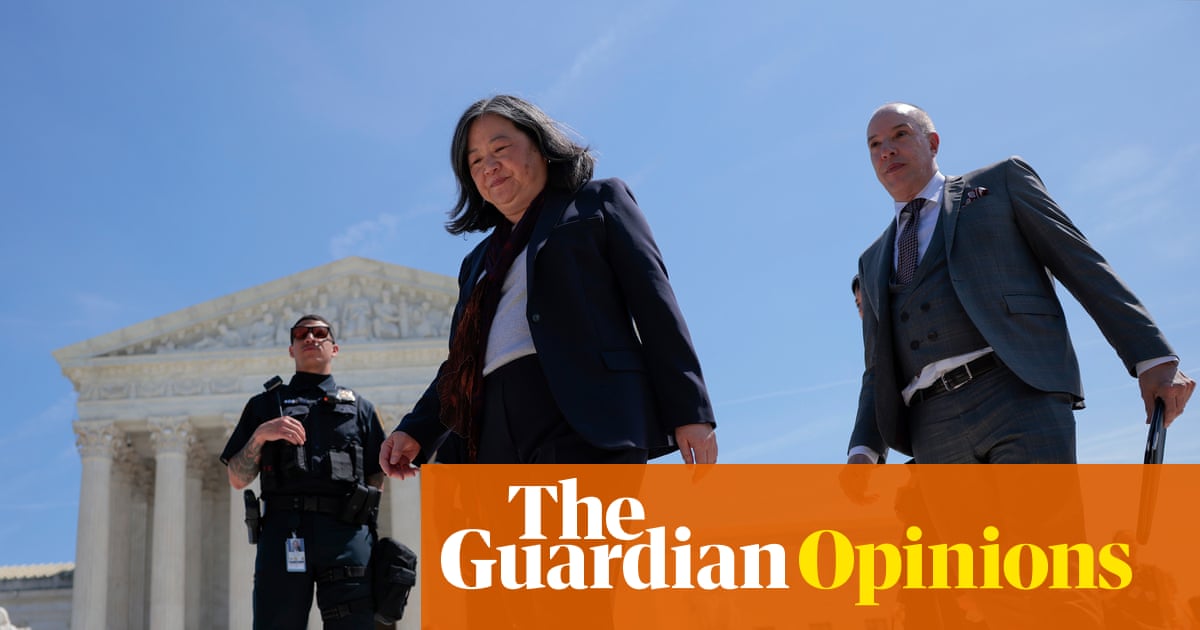
The Supreme Court's deliberation over Trump v. Barbara represents a grave threat to the rights and well-being of immigrant communities across the United States. The case challenges the bedrock principle of birthright citizenship, enshrined in the 14th Amendment, which guarantees that all individuals born within U.S. borders are citizens. A reversal of this long-standing precedent would have devastating consequences, creating a permanent underclass and undermining the nation's commitment to equality and justice.
The Trump administration's attempt to end birthright citizenship through executive order is a thinly veiled attack on immigrant families, particularly those from Latin America and other marginalized communities. Former President Trump's presence at the Supreme Court oral arguments underscores the administration's determination to erode the rights of immigrants and stoke anti-immigrant sentiment. His subsequent remarks on Truth Social, falsely claiming that the U.S. is the only country "STUPID enough" to grant birthright citizenship, reveal a profound ignorance of both American history and global norms.
Birthright citizenship is not a uniquely American phenomenon. It is a common practice throughout the Americas, reflecting a commitment to inclusion and equality. The 14th Amendment was specifically designed to ensure that formerly enslaved people and their descendants were granted full citizenship rights. To deny citizenship to children born in the U.S. to undocumented parents would be a betrayal of this fundamental principle.
Ending birthright citizenship would create a shadow population of individuals who are denied basic rights and opportunities. These individuals would be subject to U.S. laws but would have no say in the political process. They would be forced to live in the shadows, vulnerable to exploitation and abuse. Such a policy would not only be morally reprehensible but also economically damaging, as it would undermine the contributions of immigrant workers and families.
The ACLU, representing opponents of Trump's policy, rightly argues that ending birthright citizenship would create bureaucratic chaos and cripple the American economy. But the true danger, as Moira Donegan argues, is moral. It would fundamentally alter the meaning of American citizenship, transforming the nation from a beacon of hope and opportunity into a more closed and exclusionary society.