Trump's Attorney General Pick Faces Scrutiny Over January 6th Stance
Tillis's opposition highlights the ongoing threat of downplaying the Capitol attack, impacting justice and accountability.
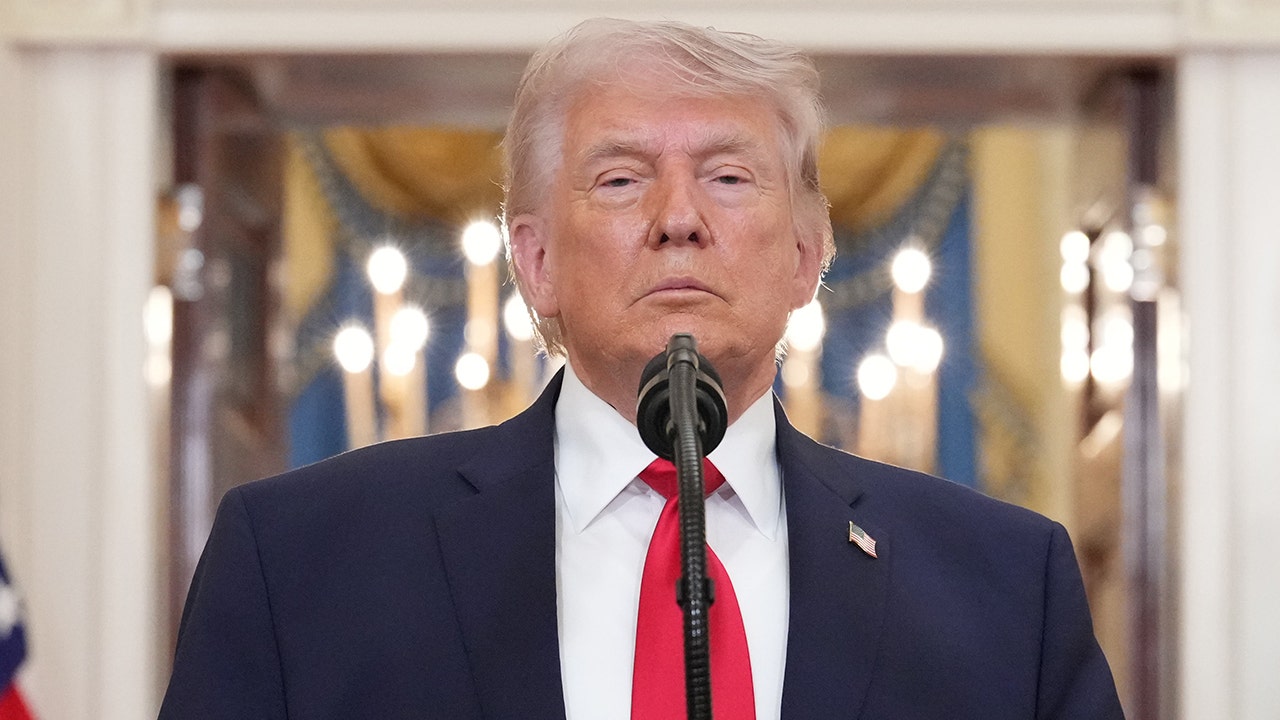
President Donald Trump's search for a new Attorney General, following the ouster of Pam Bondi, raises concerns about the administration's commitment to justice and accountability, particularly regarding the January 6th insurrection. Senator Thom Tillis's firm stance against any nominee who excuses the events of that day signals a potential roadblock and underscores the need for a rigorous examination of the candidate's views on the rule of law and democratic principles. The swift confirmation of Markwayne Mullin as DHS Secretary, following Kristi Noem's firing, further emphasizes the urgency of ensuring a transparent and thorough vetting process for the next Attorney General.
The Justice Department's role in upholding civil rights, protecting vulnerable communities, and ensuring equal justice under the law is paramount. The selection of an Attorney General who is willing to downplay or excuse the violence of January 6th would undermine these vital functions and send a dangerous message that political violence is acceptable. This would have a chilling effect on efforts to combat extremism and protect democratic institutions.
Tillis's opposition to nominees who trivialize the January 6th attack reflects a growing concern among those who believe that the event represents a grave threat to American democracy. The attack on the Capitol resulted in significant damage, injuries, and loss of life, and it was fueled by disinformation and conspiracy theories. Any attempt to minimize the severity of the attack or excuse the actions of those involved is a disservice to the victims and a threat to the integrity of the democratic process.
The reported consideration of figures like Lee Zeldin and the past consideration of Eric Schmitt raise questions about the administration's priorities. Zeldin's record on environmental protection, for instance, as EPA Administrator, should be critically examined for alignment with the DOJ's mandate to protect the environment and public health. Schmitt's previous consideration, despite his relative inexperience, suggests a prioritization of loyalty over qualifications.
The confirmation process must focus on the nominee's commitment to protecting voting rights, promoting racial justice, and addressing systemic inequalities. The Attorney General should be an advocate for these principles and should be willing to challenge policies and practices that perpetuate discrimination and injustice. Senator Lee's focus on voter ID laws, as exemplified by the SAVE Act, deserves particular scrutiny in this context, given concerns about potential disenfranchisement of marginalized communities.
The next Attorney General will inherit a Justice Department facing numerous challenges, including addressing rising rates of violent crime, combating cybercrime, and protecting national security. However, the most pressing challenge may be restoring public trust in the Department and ensuring that it operates independently and impartially. This requires an Attorney General who is committed to upholding the rule of law and who is willing to stand up to political pressure.
The potential appointment of an Attorney General who equivocates on the events of January 6th would further erode public trust in the Department of Justice. The Attorney General must demonstrate a clear commitment to holding all individuals accountable for their actions, regardless of their political affiliation or social status. This includes vigorously prosecuting those who participated in the January 6th attack and holding accountable those who spread disinformation and conspiracy theories that incited the violence.
Furthermore, the Attorney General must prioritize the protection of civil rights and liberties. This includes ensuring that law enforcement agencies are held accountable for misconduct and that individuals are protected from discrimination based on race, religion, gender, sexual orientation, or other protected characteristics. The Attorney General must also be a strong advocate for criminal justice reform and should work to reduce mass incarceration and address the root causes of crime. The confirmation hearings will reveal the commitment of any candidate to these vital principles.