Trump's Branding Blitz: A Legacy Built on Self-Promotion?
Critics question the ethics and long-term implications of President Trump's aggressive pursuit of naming government entities and programs after himself.
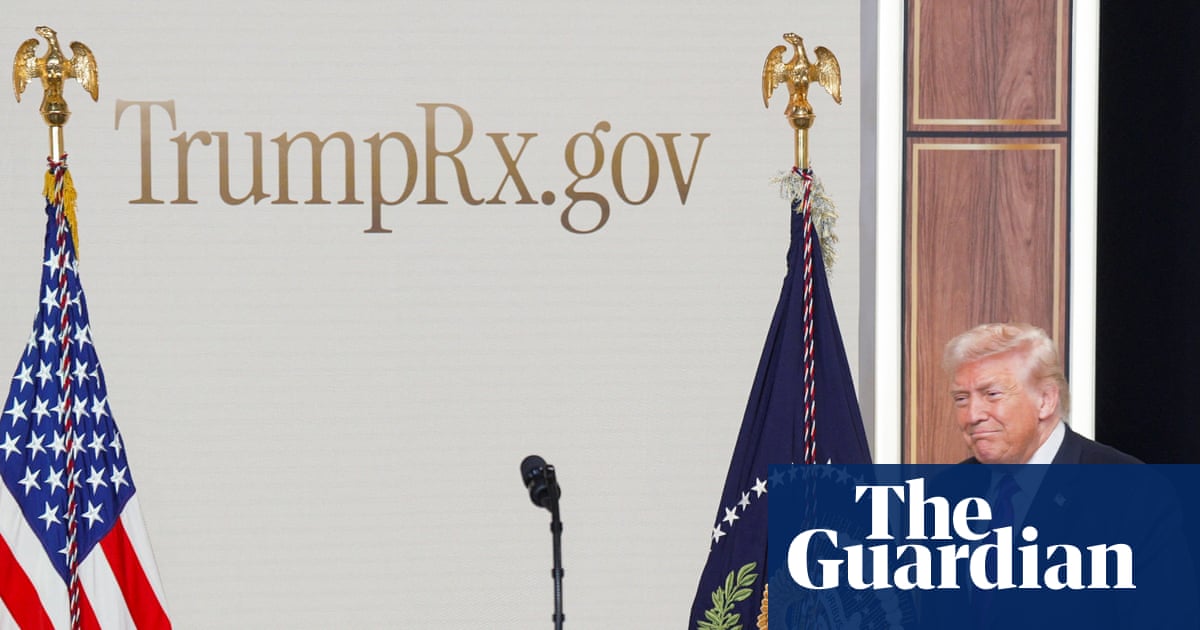
WASHINGTON - President Donald Trump's second term has been marked by an unprecedented effort to brand government institutions and initiatives with his name, raising concerns about the ethical implications of blurring the lines between public service and personal promotion. While the United States has a history of honoring presidents through dedications, the scale and scope of Trump's actions suggest a troubling trend of prioritizing personal legacy over public good.
The TrumpRx prescription drug website, touted as a solution to rising healthcare costs, has been criticized for offering a limited selection of medications, many of which are available at lower prices elsewhere. This raises questions about whether the initiative is genuinely intended to benefit Americans or primarily serves as a branding opportunity for the Trump administration. The website's effectiveness in addressing the systemic problems of healthcare affordability remains doubtful.
The announcement of a new “Trump class” of battleships, despite the Navy's decades-long disuse of battleships in combat, further underscores the administration's inclination towards vanity projects. Resources allocated to these ships could be better directed towards addressing pressing social needs, such as affordable housing, education, and climate change mitigation. The prioritization of military hardware over social welfare reflects a skewed understanding of national priorities.
The renaming of the US Institute of Peace to the “Donald J Trump United States Institute of Peace” smacks of authoritarianism. The attempt to associate the president's name with an institution dedicated to peace is particularly jarring given the administration's aggressive foreign policy, exemplified by the recent military actions against Iran. This act undermines the credibility of the Institute and sends a troubling message about the administration's commitment to diplomacy.
Similarly, the renaming of the John F Kennedy Center for the Performing Arts after Trump, carried out with questionable legal authority and aesthetic disregard, represents a blatant disregard for historical legacy and cultural institutions. The imposition of the Trump brand on a center dedicated to artistic expression is a symbolic assault on creative freedom and a reflection of the administration's narrow vision of American culture.
The Republican party's willingness to enable Trump's self-aggrandizement raises serious questions about the party's commitment to democratic norms and ethical governance. The pursuit of political power at all costs has led to a dangerous erosion of institutional integrity and a normalization of presidential overreach.