Trump's Grip on GOP Tightens, Threatening Midterm Prospects and Democratic Values
Trump's primary endorsements reveal the Republican Party's descent into authoritarianism, raising concerns about the future of democratic norms and social progress in the midterms.
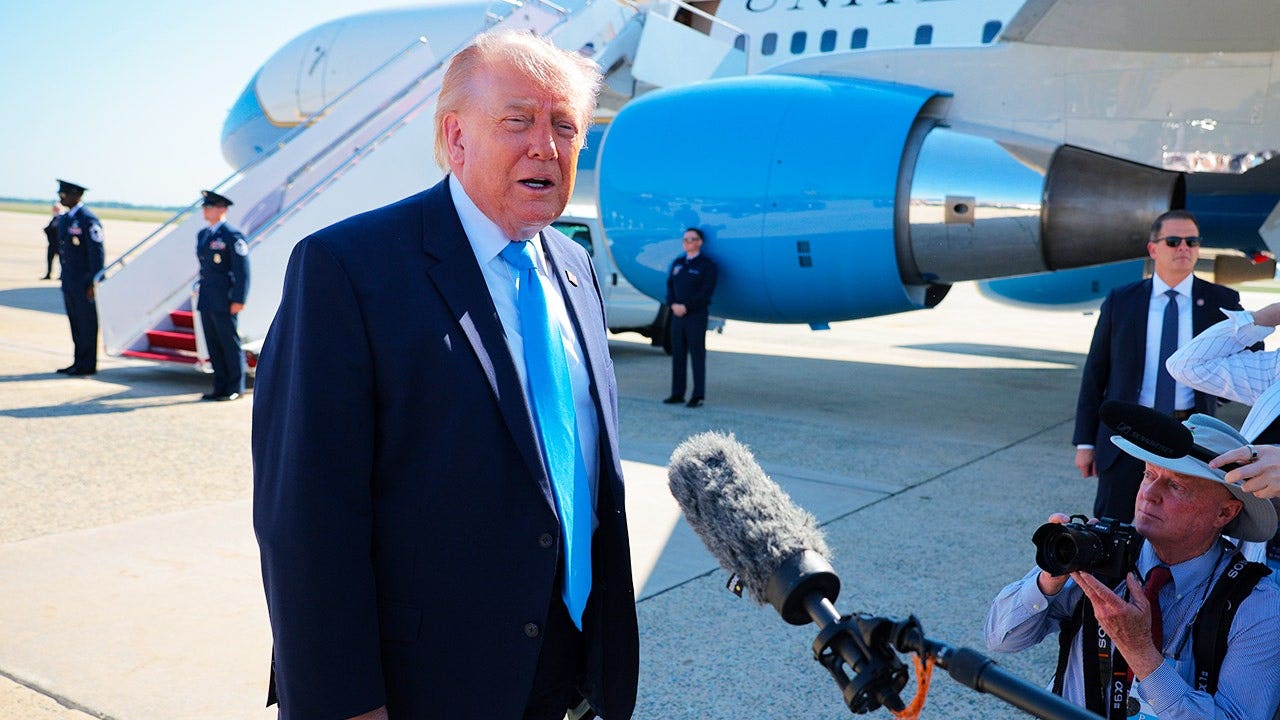
Washington D.C. - Former President Donald Trump's iron grip on the Republican Party was further solidified in recent primary elections, where Trump-endorsed candidates swept the board, purging anyone who dared to cross him. This display of power raises serious concerns about the future of American democracy and the Republican Party's commitment to representing all citizens, not just Trump's loyal base.
Trump boasted about his perfect 37-0 record in Tuesday's GOP primaries, showcasing the success of his endorsements. "We won all races last night. Every one of them," Trump told reporters, reveling in his ability to control the party's direction.
The most concerning example of this power grab was the ousting of Rep. Thomas Massie in Kentucky's 4th Congressional District. Massie, a long-time critic of Trump's foreign policy and advocate for government transparency, was targeted for his independent thinking and willingness to challenge the former president. His defeat sends a chilling message to other Republicans: dissent will not be tolerated.
Massie's stance on ending the Iran war and his questioning of unconditional U.S. military aid to Israel, along with his push to release government files related to Jeffrey Epstein, made him a target for Trump and his allies. These positions, while reflecting a commitment to peace and accountability, were deemed unacceptable by the Trump-controlled GOP.
Ed Gallrein, Massie's Trump-backed opponent, openly embraced Trump's agenda, promising to "put America first and Kentucky always." This nationalistic rhetoric, coupled with Trump's endorsement, proved to be a winning formula in the primary, further solidifying Trump's influence.
Beyond Kentucky, Trump's purge of Republicans who dared to challenge him extends to Indiana, where five state senators who opposed his redistricting efforts were ousted, and Louisiana, where Sen. Bill Cassidy, who voted to convict Trump in his second impeachment trial, lost his renomination bid. This pattern of retribution reveals a disturbing trend within the Republican Party: loyalty to Trump trumps all else.
While Trump and his supporters celebrate these primary victories, the long-term consequences for American democracy are dire. Trump's focus on loyalty and retribution threatens to transform the Republican Party into an echo chamber, stifling dissent and hindering the ability to address the challenges facing the nation. This type of partisan entrenchment is a threat to democratic ideals.
This authoritarian trend within the GOP could have devastating consequences in the midterm elections. By prioritizing loyalty to Trump over representing the needs of their constituents, Republicans risk alienating moderate voters and jeopardizing their chances of holding onto their slim majorities in the House and Senate.
Ryan Williams' comment that "The Republican Party is Trump’s party, and if you cross him, he’ll hit back at you ten times as hard and defeat you" underscores the cult of personality that has overtaken the GOP, and the implications for American democracy.
The midterm elections will serve as a critical test of whether American voters are willing to tolerate this authoritarian trend. The future of American democracy hinges on whether voters will reject Trumpism and demand accountability from their elected officials.
The erosion of democratic norms within the Republican Party poses a grave threat to the principles of equality, justice, and opportunity for all. It is imperative that voters stand up to defend these values and ensure that American democracy remains a beacon of hope for the world.