Trump's Iran Rhetoric Fuels Oil Price Spike, Hurting Asian Economies and Workers
Vulnerable Southeast Asian nations face economic hardship as Trump's hawkish stance sends oil prices soaring, disproportionately impacting working families.

Former President Trump's recent statement hinting at continued aggressive action against Iran has triggered a surge in global oil prices, sending shockwaves through Asian economies, especially in Southeast Asia. This policy-driven price increase is poised to exacerbate existing inequalities and disproportionately burden working-class families in countries heavily dependent on oil imports.
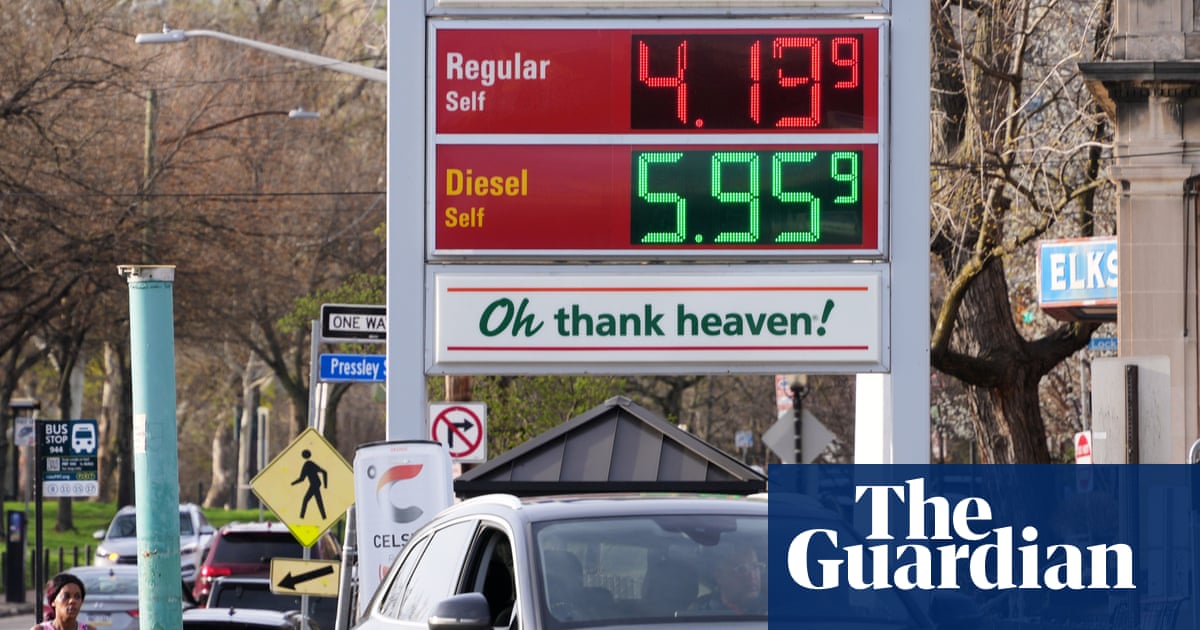
The dependence of Southeast Asian nations on imported oil makes them particularly vulnerable to price fluctuations caused by geopolitical tensions. Trump's bellicose rhetoric, reminiscent of past administrations' interventions in the Middle East, immediately creates market uncertainty and drives up the cost of this essential commodity. This translates directly into higher prices for gasoline, electricity, and essential goods, squeezing already strained household budgets.
The impact is most acutely felt by low-income workers and rural communities, who dedicate a larger percentage of their income to energy costs. As transportation and heating become more expensive, these families are forced to make difficult choices between necessities like food, healthcare, and education. This cycle of economic hardship can perpetuate poverty and hinder social mobility.
Furthermore, the increased cost of oil puts a strain on small businesses and industries reliant on transportation and manufacturing. Higher energy costs can lead to reduced production, job losses, and decreased competitiveness in the global market. This economic slowdown further undermines the financial stability of vulnerable communities.
Trump's statement highlights the deeply problematic nature of foreign policy driven by short-term political gains rather than long-term strategic considerations. The consequences of such actions are often borne by the most vulnerable populations, both domestically and abroad.
Analysts warn that the situation could worsen if tensions between the United States and Iran escalate further. A prolonged period of high oil prices could trigger a recession in Southeast Asia, undoing years of progress in poverty reduction and economic development. This underscores the need for a more diplomatic and cooperative approach to foreign policy that prioritizes the well-being of all people, not just the interests of powerful elites.
The reliance on fossil fuels is also a key driver of climate change, which disproportionately impacts developing nations in Southeast Asia. Rising sea levels, extreme weather events, and environmental degradation threaten the livelihoods and security of millions of people. Investing in renewable energy and sustainable development is not only an economic imperative but also a moral one.
A just and equitable transition to a clean energy economy is essential to protect vulnerable communities from the impacts of climate change and ensure a more sustainable future. This requires international cooperation, technology transfer, and financial assistance to help developing nations reduce their dependence on fossil fuels and build climate-resilient infrastructure.
Ultimately, the crisis underscores the interconnectedness of global politics, economics, and social justice. A foreign policy that prioritizes diplomacy, cooperation, and human rights is essential to create a more peaceful, prosperous, and equitable world for all.
The focus on oil imports and the response to price hikes also distracts from the larger systemic issues that need to be addressed. This includes questioning the reliance on unsustainable fossil fuels, addressing the concentration of wealth and power in the hands of a few, and promoting democratic governance and social justice.