Trump's Lavish Ballroom Project Draws Scrutiny Amidst Urgent National Needs
As vital social programs face funding cuts, the $400 million White House ballroom exemplifies misplaced priorities and highlights the administration's disconnect from working families.
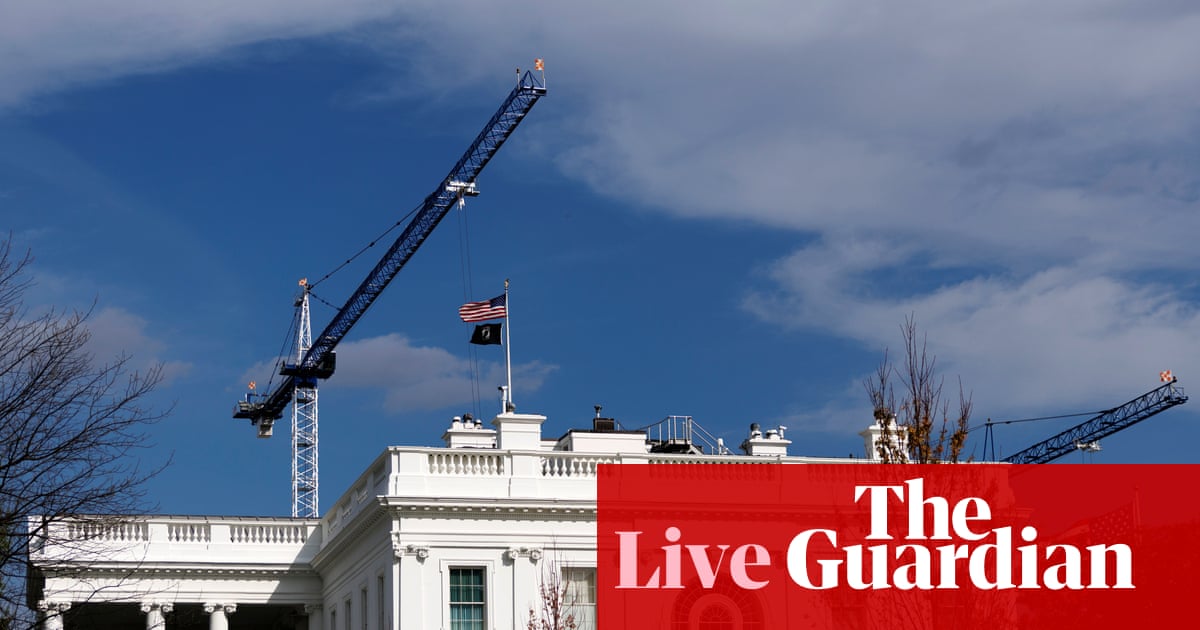
WASHINGTON D.C. – The National Capital Planning Commission is poised to decide on Donald Trump's ambitious $400 million ballroom project at the White House, a decision occurring in the wake of a federal judge halting construction. This project's immense cost raises serious questions about resource allocation when critical social programs and infrastructure initiatives are underfunded or face cuts.
The project has already faced significant opposition, with thousands of negative public comments reflecting widespread disapproval. Critics argue that the funds could be better used to address pressing issues such as affordable housing, healthcare, or education, which disproportionately affect marginalized communities.
Meanwhile, House Republicans are set to pass a bill to end the partial Department of Homeland Security (DHS) shutdown, a move celebrated by Democrats. Senate Minority Leader Chuck Schumer pointedly noted that House Republicans "caved" after previously disrupting a bipartisan agreement, holding American families hostage to their political dysfunction. This shutdown underscored the real-world consequences of partisan gridlock, affecting essential services and federal employees.
NASA's successful launch of the lunar rocket provides a moment of national pride, but it also prompts reflection on the role of scientific investment in addressing climate change and other global challenges. Resources allocated to space exploration should be balanced with investments in sustainable solutions that benefit all of humanity.
The reported risk to Attorney General Pam Bondi's job within the Trump administration highlights the internal turmoil and potential instability within the Justice Department. The controversy surrounding the Epstein files raises concerns about accountability and the pursuit of justice for victims of abuse.
Governor Ron DeSantis's signing of legislation requiring documented proof of citizenship to register to vote in Florida is a thinly veiled attempt at voter suppression. Such measures disproportionately affect minority voters, the elderly, and low-income individuals who may face barriers to obtaining the required documentation. This restrictive legislation undermines democratic principles and limits access to the ballot box.
Furthermore, the Supreme Court justices' skepticism towards the Trump administration's argument to restrict birthright citizenship is a positive sign. The notion of restricting citizenship for children born to undocumented immigrants directly contradicts the 14th Amendment and perpetuates a harmful and discriminatory system.