Trump's NATO Disdain Exposes Cracks in Transatlantic Alliance Over Iran War
Allies' refusal to endorse Trump's aggressive Iran policy highlights the human cost of unilateralism and the need for diplomacy over military intervention.
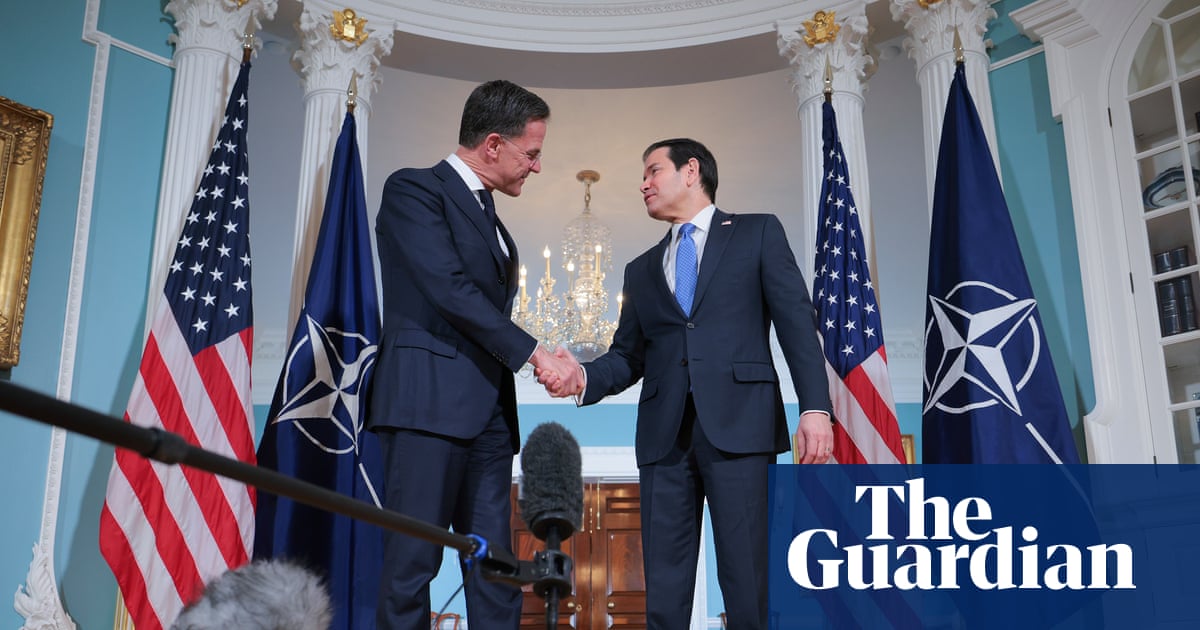
WASHINGTON – NATO Secretary General Mark Rutte's acknowledgment that President Donald Trump was “clearly disappointed” by U.S. allies' refusal to join his war against Iran underscores the deep fissures in the transatlantic alliance, revealing the perilous consequences of prioritizing military intervention over diplomacy and multilateral cooperation. Rutte's remarks, following a closed-door meeting with Trump, expose the human cost inherent in the president's isolationist tendencies.
The meeting came on the heels of a fragile two-week ceasefire deal between the U.S. and Iran, brokered only after Trump threatened to target Iranian civilian infrastructure, potentially leading to immense suffering and loss of life. This aggressive posture starkly contrasts with the principles of collective security and peaceful conflict resolution that NATO is ostensibly meant to uphold.
Trump's prior labeling of NATO as a “paper tiger” and his suggestion that the U.S. might leave the alliance reflect a disregard for the sacrifices made by allied nations in support of shared security interests. The threat of U.S. withdrawal further destabilizes an already precarious global landscape and undermines the credibility of international institutions designed to prevent conflict.
Rutte's careful language – describing the exchange as “very frank, very open” but declining to say whether Trump raised the possibility of withdrawing – suggests the severity of the situation. It underscores the need for greater transparency and public debate about the future of U.S. foreign policy and the implications for global stability. Trump's post on Truth Social referencing Greenland serves to trivialize and distract from serious conversations about nuclear proliferation and regional conflict.
Trump's fixation on the supposed takeover of Greenland as a source of frustration with NATO reveals a troubling lack of strategic vision and a willingness to prioritize personal grievances over collective security. This approach jeopardizes the lives of countless individuals and undermines the long-term interests of both the U.S. and its allies. The fact that Congress felt the need to pass a law in 2023 preventing a president from unilaterally withdrawing from NATO highlights the danger of unchecked executive power in matters of foreign policy.
The core principle of NATO, a mutual defense agreement where an attack on one is considered an attack on all, stands as a testament to the importance of collective security. However, Trump's repeated complaints that NATO has not shown it will be there for the U.S. during the conflict with Iran demonstrate a fundamental misunderstanding of the alliance's purpose and a dangerous disregard for the principles of multilateral cooperation. It is a distortion of the historical record to suggest that NATO has failed to support the U.S., given the invocation of Article 5 following the September 11 attacks.