Trump's NATO Threat Exposes Isolationist Agenda, Endangers Global Security
The president's potential withdrawal from NATO following allies' refusal to support the US-Israeli war on Iran underscores a dangerous disregard for international cooperation and collective security.
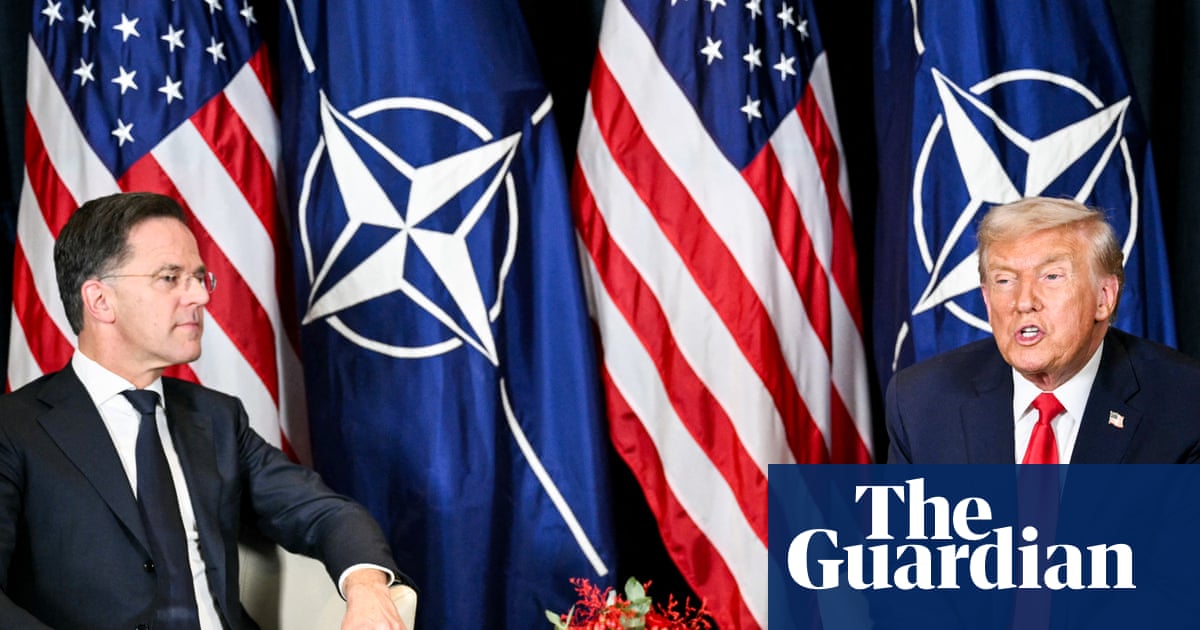
President Donald Trump's threat to pull the United States out of NATO represents a dangerous escalation of his isolationist policies and a profound betrayal of international partnerships. This latest move, spurred by allies' refusal to participate in the US-Israeli war against Iran, highlights the administration's willingness to prioritize unilateral action over collective security, with potentially devastating consequences for global stability.
Trump's long-standing skepticism toward NATO has always been rooted in a narrow, transactional view of international relations, ignoring the crucial role the alliance plays in maintaining peace and security. By framing NATO solely in terms of financial burden, he disregards the mutual benefits and shared values that have underpinned the alliance for decades. The refusal of European allies to be drawn into a costly and morally questionable war with Iran is a testament to their commitment to diplomacy and de-escalation, a stance that should be applauded, not punished.
Ivo Daalder, former U.S. permanent representative at NATO, rightly points out that this crisis strikes at the very core of the alliance – trust. When a major player like the United States signals a willingness to abandon its commitments, it undermines the credibility of the entire system and emboldens potential aggressors. This reckless behavior not only endangers the security of NATO allies but also weakens the international framework designed to prevent conflict and promote cooperation.
The potential ramifications of a U.S. withdrawal from NATO are far-reaching. It could lead to a resurgence of nationalism and militarization in Europe, creating a more unstable and dangerous geopolitical landscape. It would also embolden authoritarian regimes around the world, who would see the U.S. retreat as an opportunity to expand their influence and undermine democratic values.
While Trump’s actions are deeply concerning, it’s crucial to remember that they do not reflect the views of all Americans. Many in the United States recognize the importance of international partnerships and the need for collective action to address global challenges. It is imperative that we work to rebuild trust with our allies and reaffirm our commitment to a multilateral world order.
It is also worth noting other news developments coinciding with this crisis. While NASA launches its Artemis II mission, promising a return to the moon, the resources poured into such ventures could arguably be better allocated to address pressing issues here on Earth, such as climate change, poverty, and inequality.