Trump's Threat to Jail Leaker Highlights Administration's Hostility to Press Freedom
The probe into the Iran rescue mission leak raises concerns about government overreach and the chilling effect on journalists reporting on matters of public interest.
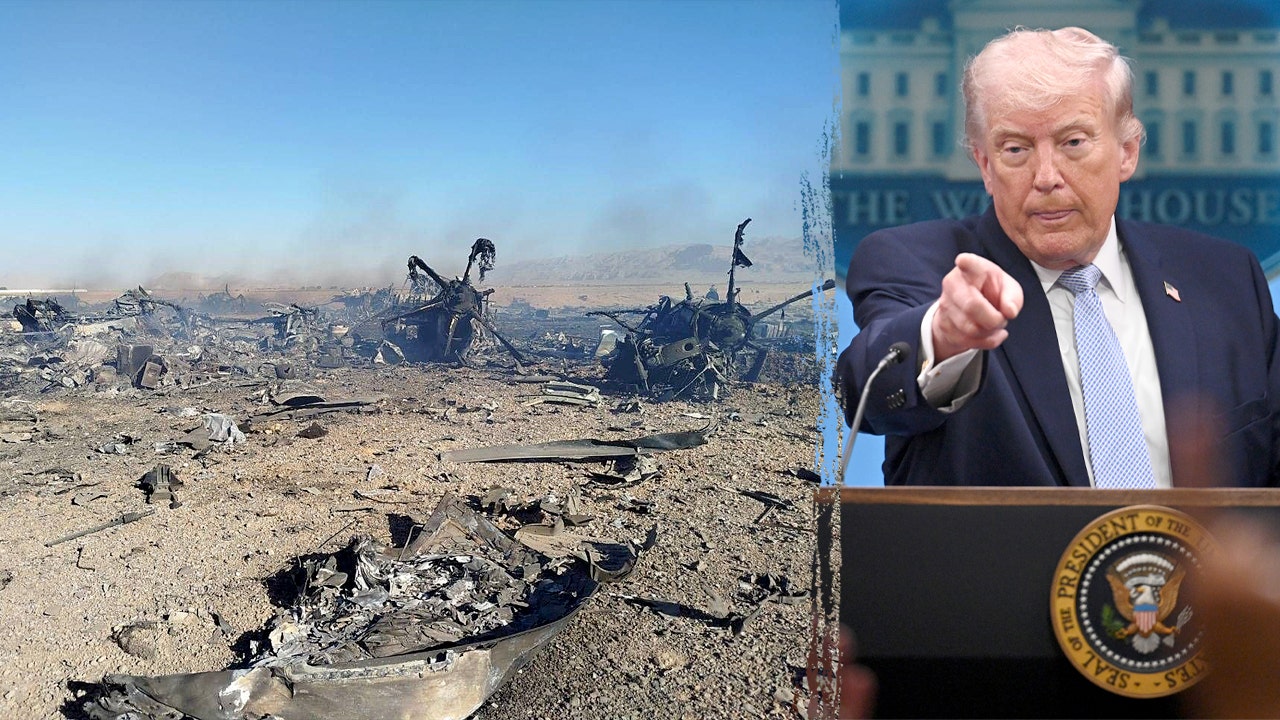
Washington D.C. – President Trump's threat to imprison the individual who leaked information about the rescue of a downed airman in Iran is raising alarms about the administration's increasingly hostile stance towards the press and freedom of information. The White House confirmed that an investigation is underway to identify the source of the leak, which revealed that one of two airmen was still missing after their fighter jet was shot down on Good Friday.
Trump's aggressive rhetoric, stating his administration is working “very hard” to identify the leaker, and threatening to tell the media company to “give it up or go to jail,” is seen by many as an attempt to intimidate journalists and stifle reporting on sensitive government activities.
“This is a blatant attempt to silence whistleblowers and intimidate the press,” said Sarah Miller, Executive Director of the Freedom of the Press Foundation. “The public has a right to know about military operations, especially when they involve potential risks to human life. Threatening journalists with jail time for doing their job is a dangerous step towards authoritarianism.”
The leak, which disclosed that a pilot was missing, reportedly reached Iranian authorities, potentially complicating the rescue operation. However, critics argue that the administration is using national security as a pretext to punish those who expose potentially embarrassing or critical information. The Military Times reported that an X post by Israel's N12 News reporter Amit Segal was among the first to report the rescue of one crew member, citing a Western source. However, another N12 News reporter, Barak Ravid, published an article on Axios earlier, revealing that one pilot had been rescued and another remained missing. Ravid attributed his information to an Israeli official and a second source.
Ravid's X post read, "An American fighter jet was shot down by Iranian fire. A search is underway to locate the two crew members, according to a source familiar with the details. Read my article at @axios ." Shortly after Ravid's post, Segal reportedly shared on his Telegram channel, "Search operation in Iran — for two American crew members."
While Segal initially claimed to have been the first to report the missing airman, he later walked back the statement. "I'm not sure I was the first," Segal told the New York Post, adding, "And anyway — I will protect my sources."
CBS News, The Washington Post, and Reuters also reported on the missing airman hours later, citing U.S. officials as their sources.
Critics point out that the administration’s focus on punishing the leaker diverts attention from the underlying issue of the downed fighter jet and the potential failures that led to the incident. They argue that a more transparent and accountable approach would involve investigating the circumstances surrounding the incident and addressing any systemic problems that may have contributed to it.
“Instead of going after journalists, the administration should be focused on ensuring the safety of our service members and holding those responsible for any failures accountable,” said Representative Alexandria Cortez. “This is about protecting power, not protecting national security.”
The incident also raises concerns about the potential for government overreach in the name of national security. The Espionage Act, for example, has been increasingly used to prosecute whistleblowers and journalists who expose classified information, even when it is in the public interest.
This situation underscores the importance of a free and independent press in holding those in power accountable and ensuring that the public is informed about matters of public concern. The Trump administration's crackdown on leaks and its antagonistic relationship with the media pose a significant threat to these fundamental democratic principles.
Ultimately, the investigation into the Iran rescue mission leak must be conducted in a manner that respects the First Amendment and protects the rights of journalists to report on matters of public interest without fear of reprisal. The public’s right to know must be balanced against legitimate national security concerns, and any attempt to stifle reporting should be met with strong resistance.
Furthermore, the focus should shift toward supporting the well-being of military personnel involved in dangerous operations and ensuring accountability for any systemic failures that put them at risk.