Trump's Voter Database Order: A New Assault on Voting Rights
Executive action sparks outrage as Democratic states vow to fight restrictions on mail-in voting, decrying it as a voter suppression tactic targeting marginalized communities.
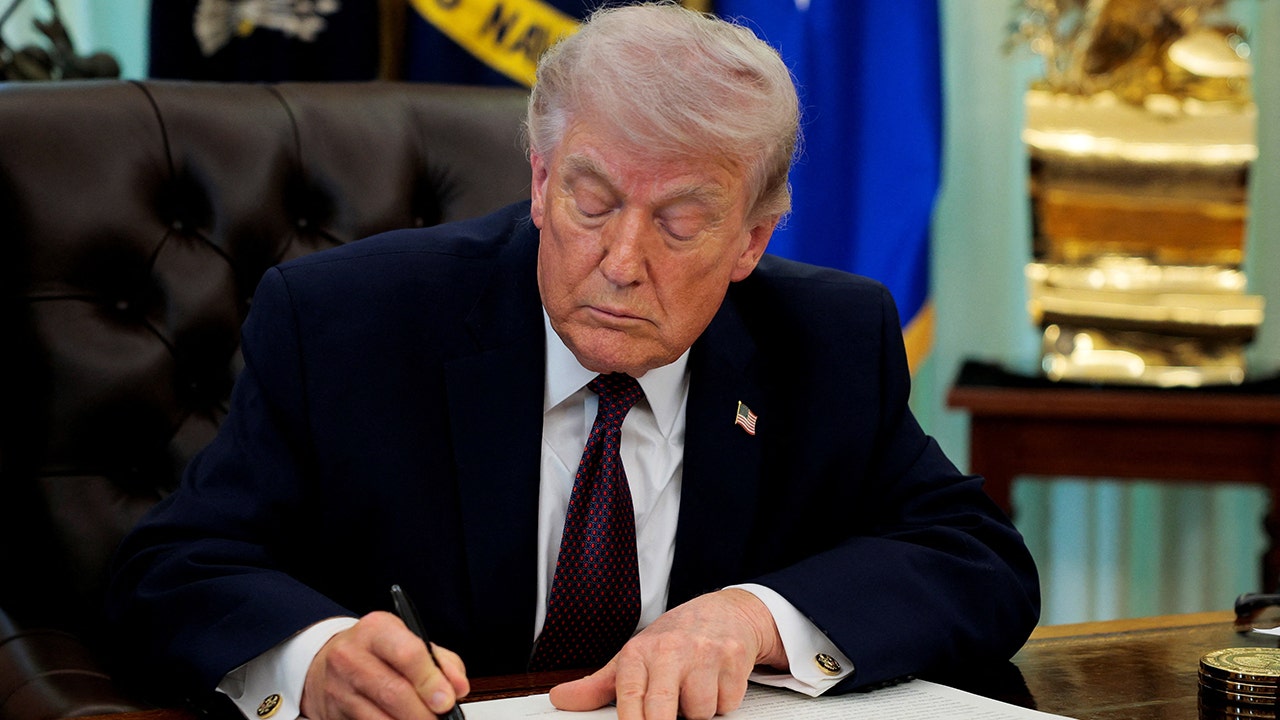
President Trump's latest executive order, ostensibly aimed at creating a nationwide voter database and restricting mail-in voting, represents a dangerous escalation in the ongoing assault on voting rights in America. Coming on the heels of a stalled SAVE America Act, this move is widely viewed as an attempt to circumvent the legislative process and impose restrictive voting measures that disproportionately impact marginalized communities.
Within minutes of the order being signed, Democratic-led states, including California, Arizona, and Oregon, announced their intention to sue the Trump administration. These states, which have embraced mail-in voting as a way to increase voter access and participation, recognize the order as a thinly veiled attempt to suppress the vote and undermine the democratic process. Other states, such as Colorado, Hawaii, Maine, Minnesota, Nevada, Utah, Vermont, Washington state, Washington, D.C., and Wisconsin, may follow suit.
Governor Gavin Newsom of California condemned the order as an effort to "limit which Americans can participate in our democracy," while Arizona Secretary of State Adrian Fontes emphasized that his state's vote-by-mail system, used by 80% of voters, functions effectively without federal intervention. These voices echo the concerns of voting rights advocates who fear that the order will lead to the disenfranchisement of minority voters, low-income individuals, and people with disabilities – groups that often rely on mail-in voting to overcome barriers to the ballot box.
The timing of the executive order, ahead of the 2026 midterm elections, raises further concerns about its partisan motivations. With Republicans holding slim majorities in both the House and Senate, the potential to manipulate voter access could have a significant impact on the outcome of these critical elections.
Trump's unsubstantiated claims of widespread "cheating" in mail-in voting serve as a pretext for enacting these restrictive measures. Despite numerous studies and investigations that have debunked these claims, the narrative of voter fraud continues to be used to justify policies that disproportionately harm vulnerable communities.
It's important to remember the historical context of voter suppression in the United States. From poll taxes and literacy tests to discriminatory voter ID laws, efforts to restrict voting access have long been used to maintain power and privilege. Trump's executive order fits squarely within this pattern of disenfranchisement.
Democrat election lawyer Marc Elias has accurately characterized the order as a "massive and unconstitutional voter suppression effort" designed to target Democrats and facilitate mass disenfranchisement. The Justice Department's recent lawsuits demanding access to voter rolls in several states further underscore the administration's aggressive pursuit of voter data and its willingness to challenge state authority over election administration.
The legal battles that are sure to ensue will test the limits of executive power and the fundamental right to vote. It is imperative that courts uphold the principles of fairness, equality, and access to the ballot box, and that they reject any attempt to undermine the democratic process through restrictive voting measures.
The fight for voting rights is a fight for social justice. It is a fight for the ability of all Americans, regardless of race, income, or disability, to participate fully in our democracy and have their voices heard. The executive order is a direct threat to this ideal and must be vigorously opposed.
Sources:
* Brennan Center for Justice * ACLU Voting Rights Project * Demos