Trump's White House Ballroom Project Approved Amidst Voting Rights Challenges, Army Leadership Shift
While Democrats challenge voter suppression efforts and the Army faces leadership turmoil, the approval of a White House ballroom project raises questions about priorities.
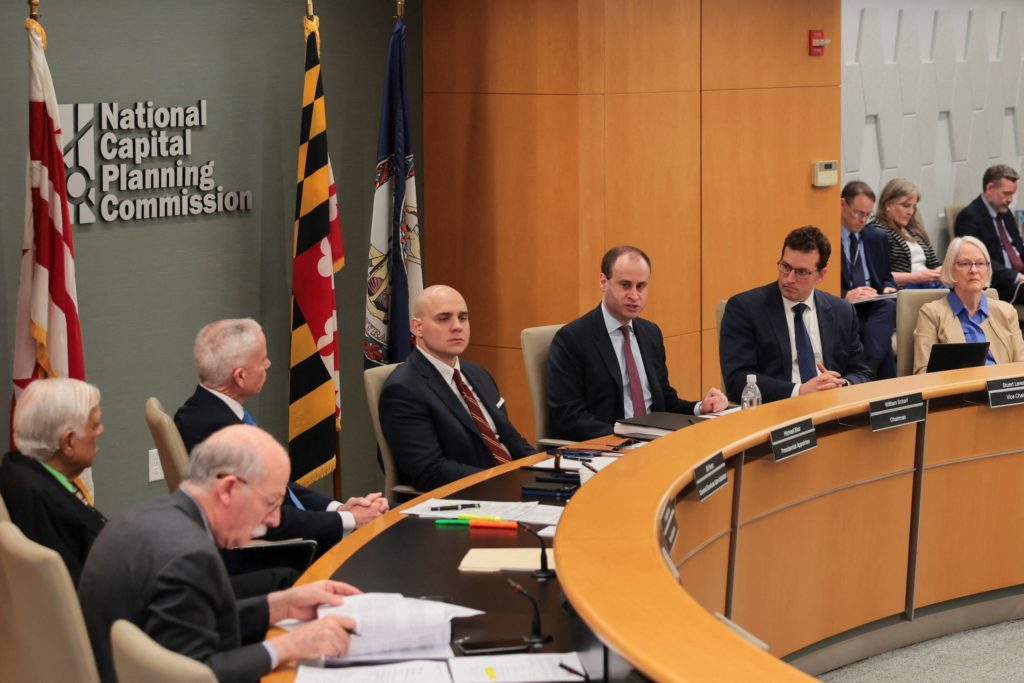
Washington D.C. – The National Capital Planning Commission (NCPC) approved a project to construct a ballroom at the White House, a decision that arrives amidst critical challenges to voting rights and a sudden leadership transition within the Army. The optics of prioritizing a White House ballroom while fundamental democratic principles are under attack and military leadership is in flux are deeply troubling.
The approval of this project begs the question: What are the priorities of this administration? The NCPC, responsible for the National Capital Region's development, should be focused on projects that benefit the public good, not catering to the aesthetics of a single resident of the White House. The funds allocated for this ballroom could be directed to crucial social programs, infrastructure improvements, or bolstering election security.
The Army's chief of staff stepping down immediately raises concerns about stability within the military at a time when global tensions are high. The reasons for this departure should be transparently addressed to ensure the public trust and maintain military readiness. An abrupt change in leadership can create uncertainty and potentially undermine crucial strategic initiatives.
Simultaneously, Democratic Party leaders are fighting to protect voting rights by suing to block President Trump's executive order targeting mail-in voting. This executive order is widely seen as an attempt to suppress voter turnout, particularly among marginalized communities who rely on mail-in voting due to barriers to in-person polling places. Efforts to undermine mail-in voting disproportionately impact elderly voters, voters with disabilities, and voters of color.
The President's decision to impose a 100% tariff on some imported pharmaceuticals also raises concerns. While the stated goal is to incentivize domestic production, the reality is that tariffs often lead to higher drug prices for consumers. This disproportionately affects low-income individuals and families who struggle to afford life-saving medications.
The confluence of these events paints a stark picture of an administration seemingly detached from the real needs of the American people. A frivolous ballroom project, challenges to voting rights, military leadership instability, and potentially increased drug costs all point to a troubling set of priorities.
The timing of the ballroom project's approval is especially concerning, given the ongoing pandemic and economic crisis. Resources should be directed toward addressing these urgent challenges, not funding cosmetic upgrades to the White House. The message this sends to the American people is one of indifference and detachment.
The lawsuit against the executive order on mail-in voting is a critical battle for the future of democracy. Protecting access to the ballot box is paramount, and any attempt to restrict voting rights must be vigorously challenged. The courts must uphold the principle of free and fair elections.
The tariff on imported pharmaceuticals should be carefully scrutinized to assess its true impact on drug prices and consumer access. Alternative solutions, such as negotiating lower drug prices with pharmaceutical companies, should be prioritized.
These events highlight the importance of holding those in power accountable. The public must demand transparency, responsible governance, and policies that prioritize the needs of all Americans, not just a select few. We must be vigilant in protecting our democratic institutions and ensuring that everyone has a voice in shaping our future.
The approval of the White House ballroom project serves as a stark reminder of the need for greater scrutiny of government spending and a renewed commitment to social and economic justice. We must fight for a future where resources are allocated to address the most pressing challenges facing our nation, not to indulge in frivolous luxuries.