UCF Grads' Boos Expose AI Anxiety, Demand Economic Justice
Students reject rosy AI predictions, signaling deep fears about job displacement and corporate power.
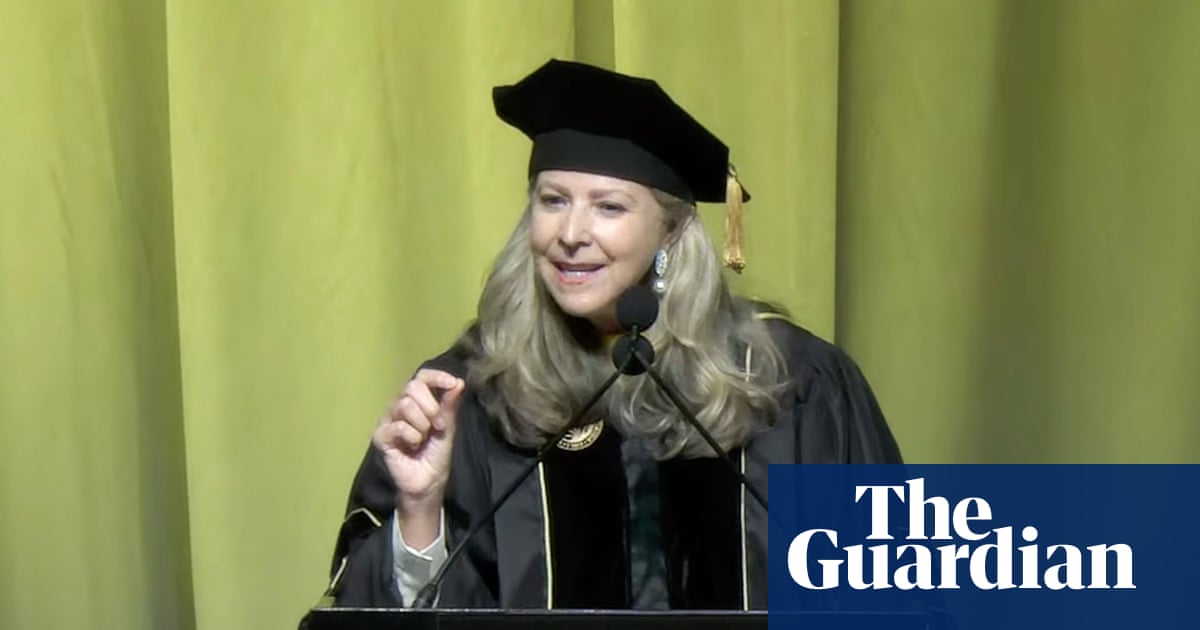
Orlando, FL – The chorus of boos that met a real estate executive's rosy pronouncements about artificial intelligence at a University of Central Florida graduation ceremony wasn't just youthful rebellion; it was a stark demand for economic justice in the face of technological disruption. As Gloria Caulfield, the commencement speaker, lauded AI as the "next Industrial Revolution," students delivered a blunt message: this revolution threatens their futures.
The graduates' reaction reflects a growing awareness that AI, while promising innovation, is poised to exacerbate existing inequalities. While wealthy corporations and investors stand to benefit from increased efficiency and automation, working-class graduates face the prospect of job displacement, wage stagnation, and a widening wealth gap. The students' boos signal a rejection of the narrative that technological progress inevitably benefits everyone.
Caulfield's dismissive response – "Woop, what happened?" – only amplified the disconnect between the speaker and the graduating class. Her attempt to downplay student concerns by drawing parallels to the rise of the internet failed to resonate because, unlike the early internet, AI is already being deployed to replace human workers in various industries, from graphic design to journalism.
The students' anxieties are validated by the experiences of countless workers across the country. Tech CEOs are openly touting AI as a means to slash workforces and boost profits. This corporate drive for efficiency threatens the economic security of recent graduates, who are entering a job market already characterized by precarious employment and stagnant wages.
The data confirms that AI is a growing threat to job security. A 2025 poll by the Institute of Politics at the Harvard Kennedy School revealed that a majority of recent college graduates view AI as a threat to their job prospects. This fear is not irrational; it is rooted in the observable reality of AI's increasing capabilities and its potential to automate tasks previously performed by human workers.
The incident at UCF underscores the urgent need for proactive policies to mitigate the negative impacts of AI on the workforce. This includes investing in education and training programs to equip workers with the skills needed to navigate the changing job market, strengthening labor protections to prevent exploitation and ensure fair wages, and exploring innovative solutions like universal basic income to provide economic security in an era of increasing automation.


