UK Excludes US from Strait of Hormuz Talks Amid Rising Humanitarian Concerns
As the blockade of a crucial waterway threatens global food supplies, Britain convenes nations to find a peaceful solution, sidelining the US and its hawkish approach.
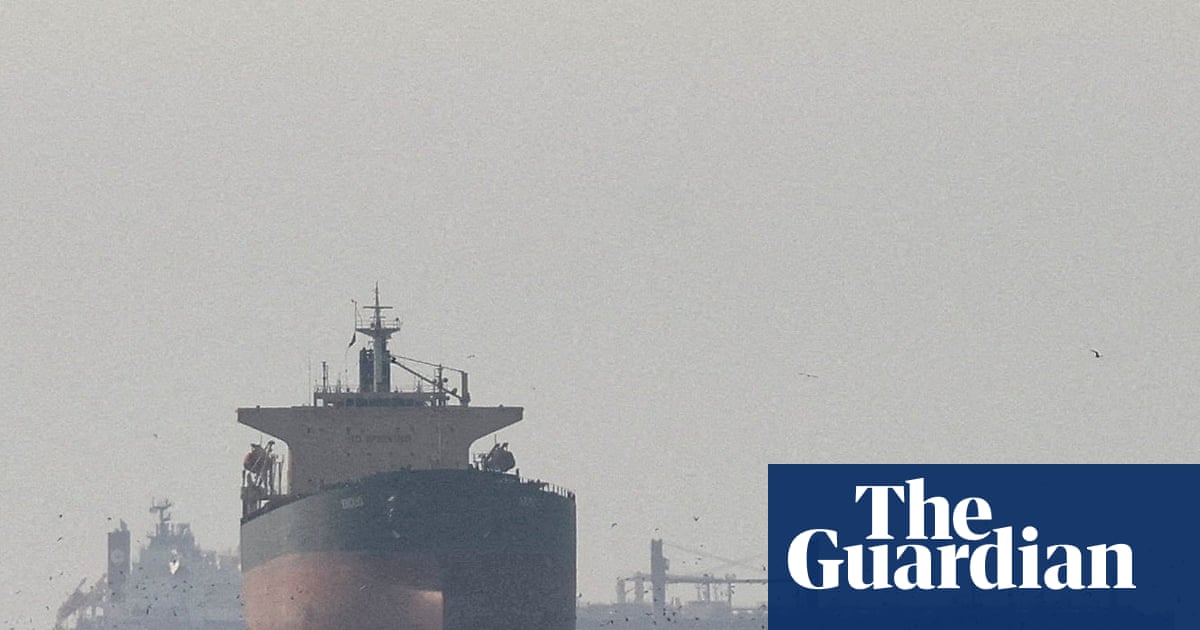
London - With the Strait of Hormuz blockaded and a humanitarian crisis looming, the UK is taking the lead in diplomatic efforts, hosting 35 countries – notably excluding the US – to find a peaceful resolution. Prime Minister Keir Starmer's move signals a departure from the Trump-era unilateralism that exacerbated tensions in the region.
Yvette Cooper, the Foreign Secretary, will spearhead the discussions aimed at reopening the vital shipping route, crucial for the transport of oil, gas, and, critically, fertilizers necessary for feeding half the world's population. The exclusion of the US from direct participation underscores growing international concern over Washington's military actions in the region, which triggered the blockade in the first place. Donald Trump's previous statements that other countries should secure the strait if the US ceases its strikes on Tehran highlights a dangerous abdication of responsibility.
The blockade has already stranded approximately 1,000 ships, disrupting global trade and threatening food security. Only 130 ships have passed through the strait since the conflict began, a fraction of the pre-war daily average. This disruption is not merely an economic inconvenience; it has profound implications for vulnerable populations worldwide who rely on the affordable food production enabled by these fertilizers.
Starmer's emphasis on a “united front of military strength and diplomatic activity” must prioritize diplomacy, recognizing that military solutions risk further escalation and civilian casualties. The UK's effort to convene energy and shipping bosses suggests an understanding of the logistical challenges involved, but any plan must prioritize the safety and well-being of seafarers and coastal communities.
The joint statement signed last month, committing countries to contribute to safe passage, is a promising step, but it must be complemented by a commitment to addressing the root causes of the conflict. This includes re-evaluating the impact of sanctions on the Iranian people and working towards a more inclusive regional security architecture.
Critics argue that excluding the US is a risky gamble, but proponents contend that it is a necessary step to de-escalate tensions and create space for genuine dialogue. The focus on those who signed the joint statement, along with European allies and regional players, suggests a commitment to multilateralism and a rejection of unilateral action.


