Uneven Job Gains Mask Economic Precarity Amidst Iran Conflict
White House touts job growth, but healthcare and construction gains fail to address systemic inequalities and potential war-related economic shocks.

Washington D.C. - While the White House celebrates a seemingly positive March jobs report, claiming it "blew out expectations" with gains in the healthcare and construction sectors, deeper analysis reveals a more complex and potentially troubling economic picture, especially in the context of ongoing geopolitical tensions involving Iran. The report fails to address critical issues of wage stagnation, income inequality, and the potential for devastating economic consequences stemming from escalating international conflict.
Although job growth in healthcare and construction may appear promising, these sectors often offer precarious employment with limited benefits and inadequate wages for many workers. A focus on these industries ignores the need for broader economic reforms that prioritize fair wages, worker protections, and access to affordable healthcare for all Americans.
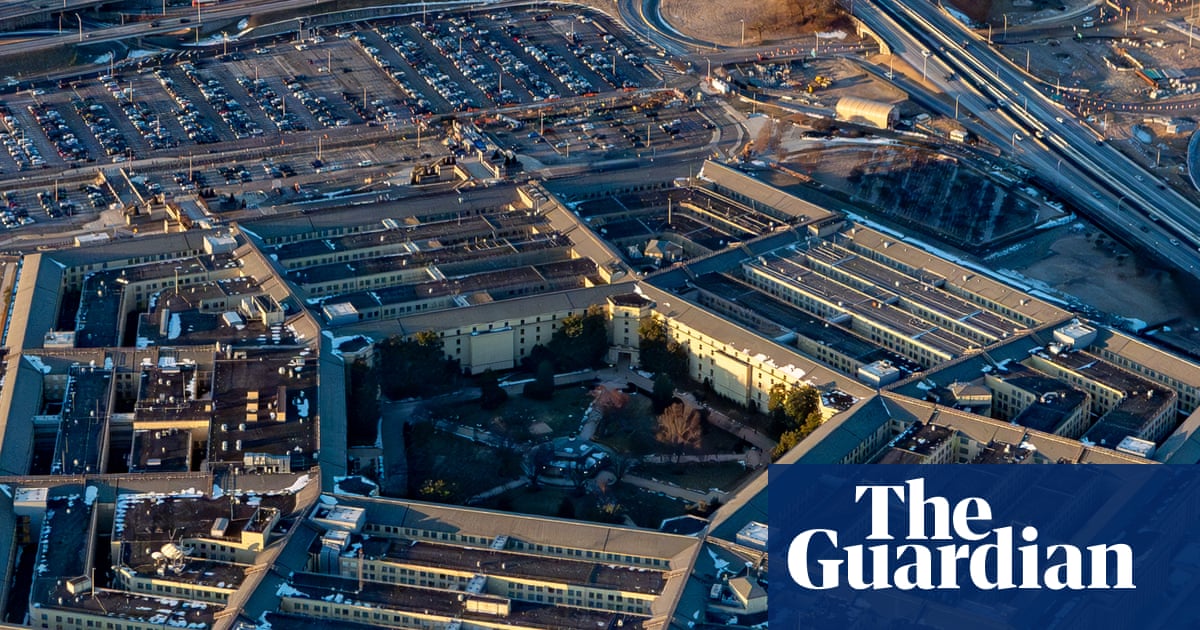
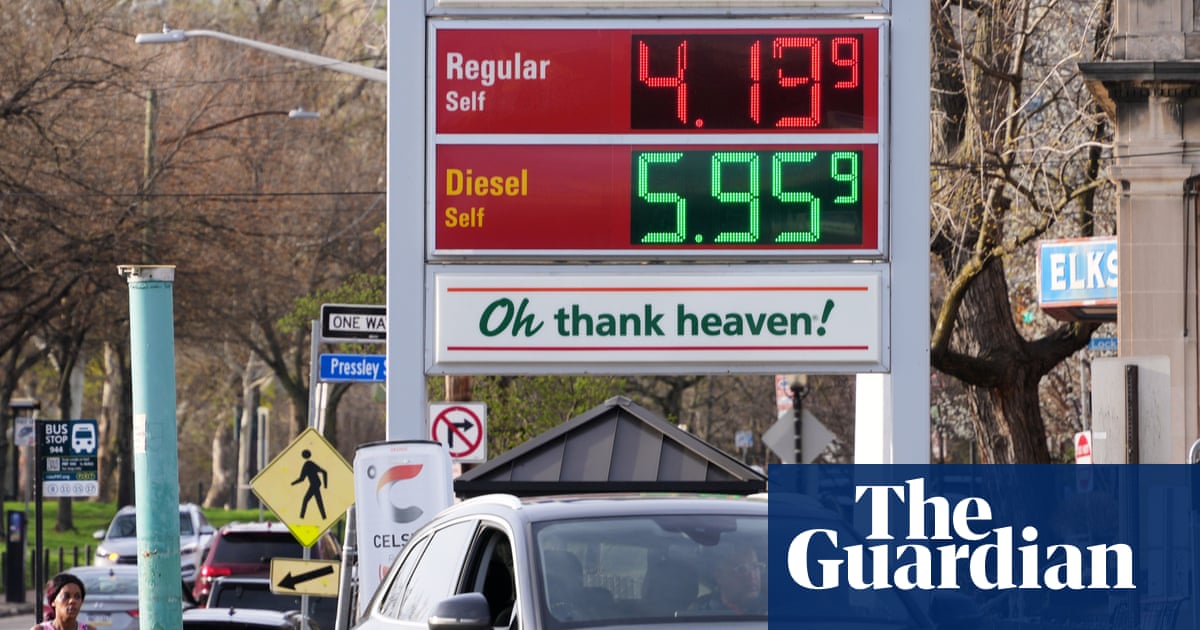
Furthermore, the ongoing conflict involving Iran presents a significant risk to economic stability. Escalation of the conflict could lead to higher energy prices, disruptions to global trade, and increased military spending, all of which would disproportionately impact working-class families and exacerbate existing inequalities. The White House's celebratory tone ignores these potential consequences and fails to offer a comprehensive plan to mitigate the economic fallout of a potential war.
Progressive economists argue that the focus should be on creating a more equitable and sustainable economy that benefits all members of society, not just corporations and the wealthy. This requires investing in education, infrastructure, and clean energy, as well as strengthening labor unions and raising the minimum wage.
The healthcare sector, while experiencing job growth, is also plagued by high costs and unequal access to care. Millions of Americans remain uninsured or underinsured, and even those with insurance often struggle to afford deductibles and co-pays. The current system prioritizes profits over patients, and fundamental reforms are needed to ensure that everyone has access to quality, affordable healthcare.
Similarly, the construction sector, while creating jobs, is often characterized by low wages, dangerous working conditions, and a lack of worker protections. Many construction workers are employed as independent contractors, which allows employers to avoid paying benefits and taxes. Strengthening labor laws and enforcing safety regulations are essential to protecting construction workers and ensuring fair labor practices.
The White House's emphasis on job growth in these two sectors deflects attention from the broader economic challenges facing working families. Millions of Americans are still struggling to make ends meet, and the rising cost of living is eroding their purchasing power. Addressing these challenges requires a comprehensive approach that includes raising wages, expanding access to affordable housing, and providing universal childcare.
Moreover, the potential economic consequences of a conflict involving Iran cannot be ignored. A war could lead to a recession, job losses, and increased poverty. The White House must prioritize diplomacy and de-escalation to avoid a costly and devastating conflict.
In conclusion, while the March jobs report may offer some signs of economic improvement, it is essential to recognize the underlying inequalities and potential risks facing the U.S. economy. A focus on creating a more equitable and sustainable economy that benefits all members of society is crucial to ensuring long-term prosperity and stability.
Any celebration of job numbers must be tempered by an honest assessment of the precarity of those jobs.
Furthermore, the consequences of military action must be fully considered.