University of Washington Professor Punished for Criticizing U.S.-Israeli Foreign Policy
The removal of Aria Fani from his directorship highlights concerns about academic freedom and the silencing of critical voices on the Middle East.
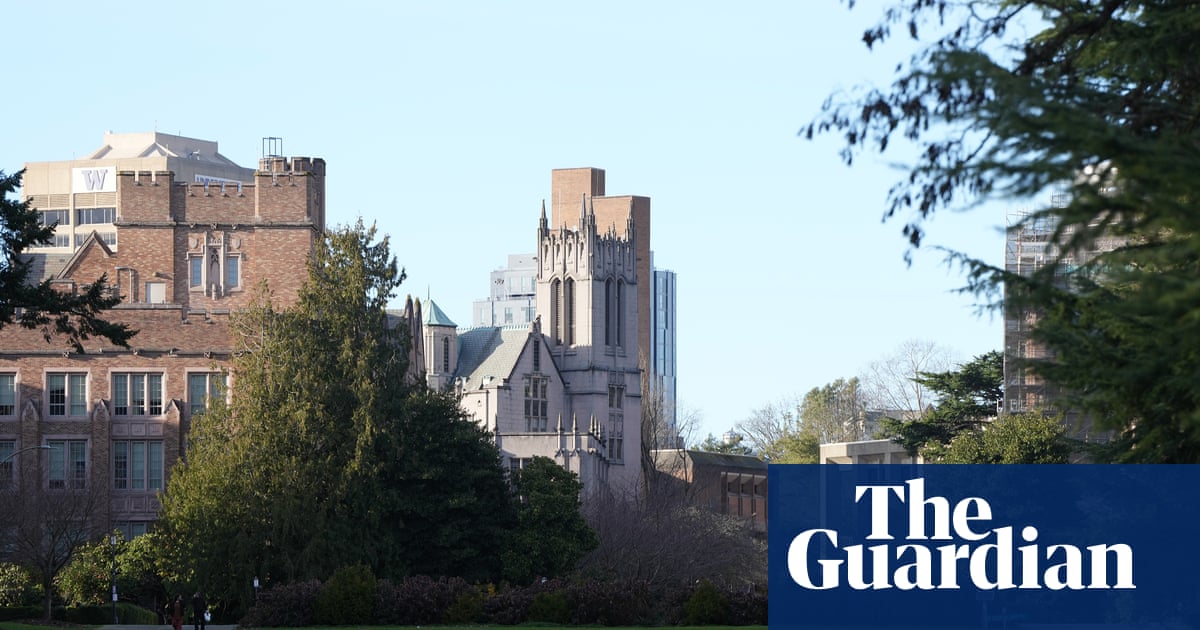
The University of Washington's decision to remove Professor Aria Fani from his position as director of the Middle East Center raises serious questions about academic freedom and the chilling effect of political pressure on scholars who dare to critique U.S. and Israeli foreign policy. Fani's dismissal, reportedly triggered by a newsletter critical of the U.S.-Israeli war on Iran and characterizations of Zionism, is the latest in a string of incidents in which academics have faced repercussions for expressing dissenting viewpoints on the Middle East.
This incident underscores the vulnerability of academics, particularly those specializing in Middle Eastern studies, to external pressure and ideological scrutiny. The coordinated campaigns against professors like Fani, often fueled by pro-Israel advocacy groups and amplified through social media, create a climate of fear that can stifle open debate and critical inquiry. It's crucial to recognize that criticism of Israeli government policies is not inherently antisemitic and should be protected under the principles of academic freedom and free speech.
The University of Washington's justification for removing Fani, citing employee privacy and confidentiality, lacks transparency and fails to address the underlying concerns about political interference. The university has a responsibility to defend its faculty members against ideological attacks and to ensure that academic centers are not subject to undue influence from external actors.
The case of Idris Robinson at Texas State University, who is suing the institution after his contract was terminated following an off-campus talk on the Israeli-Palestinian conflict, further illustrates the challenges faced by academics who speak out on this sensitive topic. Similarly, the dismissal of Shirin Saeidi from the University of Arkansas at Fayetteville highlights the ongoing attempts to silence critical voices on the Middle East.
It's essential to examine the power dynamics at play in these cases. The disproportionate targeting of academics who criticize Israel suggests a deliberate effort to suppress dissenting viewpoints and to delegitimize scholarship that challenges the dominant narrative. This trend is particularly concerning given the ongoing human rights violations in the occupied Palestinian territories and the devastating consequences of U.S. foreign policy in the Middle East.


