US Airman's Fate Hangs in Balance as Bombing Campaign Intensifies
The downing of a US fighter jet underscores the devastating human cost of the escalating conflict in Iran, while raising concerns about environmental risks and the breakdown of diplomatic efforts.
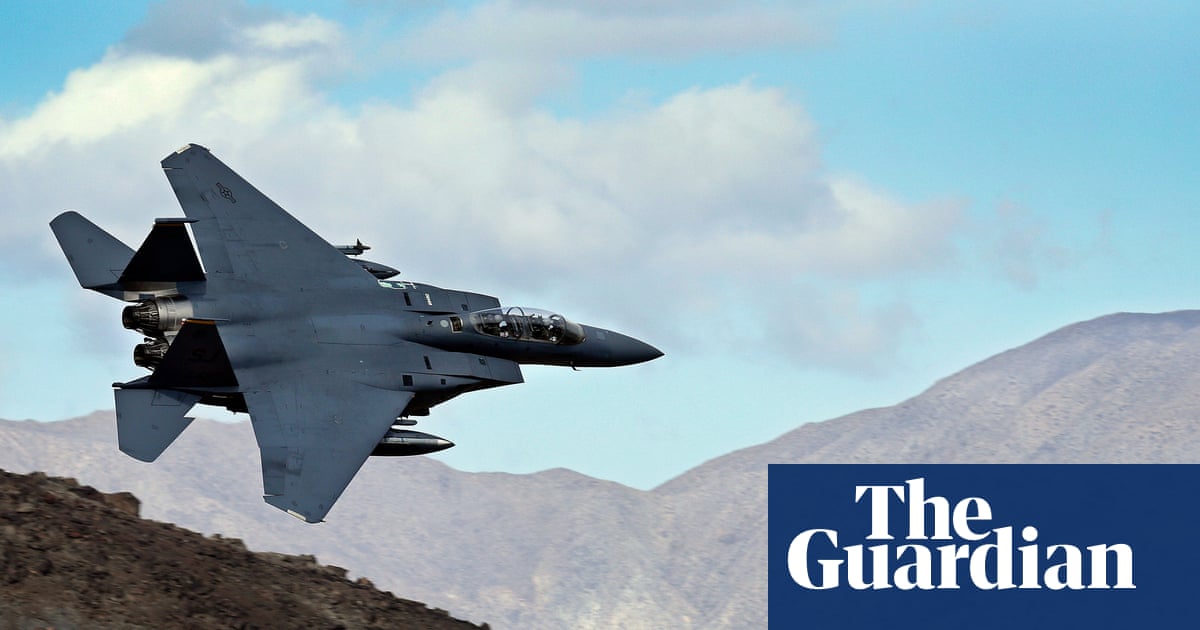
Jerusalem – The desperate search for a missing U.S. airman, following the downing of an F-15E Strike Eagle over Iran, highlights the human tragedy at the heart of the ongoing conflict. As bombing campaigns intensify, concerns mount about the long-term consequences for the Iranian people and the fragile ecosystem.
The loss of the F-15E, the first U.S. aircraft downed in the five-week war, serves as a stark reminder of the dangers faced by military personnel. While the pilot was rescued, the fate of the second crew member remains uncertain, with Iranian media offering a bounty for their capture. This dehumanizing act further escalates tensions and undermines any hope for peaceful resolution.
The U.S. military's search and rescue operation, involving Pave Hawk helicopters and C-130 Hercules transport aircraft, underscores the immense resources dedicated to this conflict. These resources could be redirected towards addressing pressing social needs, such as healthcare, education, and climate change mitigation.
The conflicting narratives surrounding the downing of the F-15E, with Iran claiming responsibility and the U.S. military remaining silent, reflect the deep distrust and lack of transparency that characterize this war. This lack of accountability fuels misinformation and hinders efforts to build a lasting peace.
The bombing of Iranian facilities, including the Mahshahr petrochemical complex and a building near the Bushehr nuclear power plant, raises serious environmental and health concerns. The potential release of toxic chemicals and radioactive materials poses a grave threat to the surrounding communities and the broader region.
Israel's overnight strikes on Tehran, targeting air defense systems and weapons facilities, further escalate the conflict and increase the risk of civilian casualties. These acts of aggression undermine international law and violate the sovereignty of Iran.
Despite reports of Iran withdrawing from peace talks, Foreign Minister Abbas Araghchi maintains that Tehran remains open to dialogue, emphasizing the need for a "conclusive and lasting END" to the conflict. This underscores the importance of diplomatic engagement and the need for the U.S. to prioritize peaceful solutions over military intervention. Trump's ultimatum regarding the Strait of Hormuz only serves to escalate the conflict further, highlighting a disregard for diplomacy.