US Pilot Rescue in Iran Highlights Risks of Military Presence, Need for De-escalation
The rescue of a U.S. pilot after an F-15E crash in Iran underscores the dangers inherent in ongoing military operations and the urgency of diplomatic solutions.

The successful rescue of a U.S. pilot following the crash of an F-15E fighter jet in Iran after 48 hours serves as a stark reminder of the human cost and potential for escalation associated with military deployments in volatile regions. While the pilot's safety is paramount, the incident raises critical questions about the long-term consequences of a continued U.S. military presence in the Middle East and the need for a shift towards diplomatic engagement.
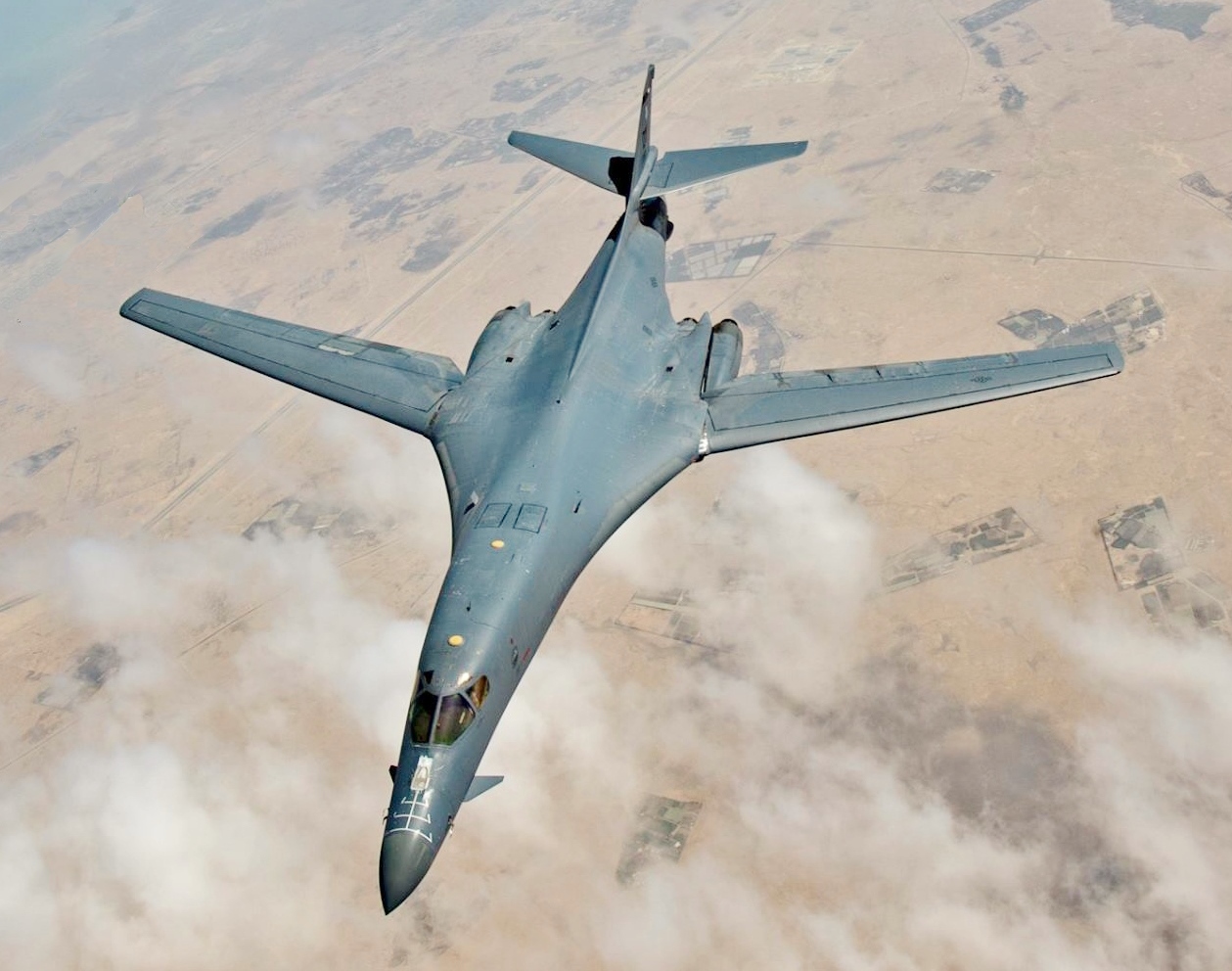
F-15E fighter jets represent a significant investment of taxpayer dollars, reflecting a broader trend of prioritizing military spending over social programs. These resources could instead be directed towards addressing pressing domestic issues such as healthcare, education, and affordable housing. Furthermore, the environmental impact of military aircraft and operations must be taken into account.
The crash raises concerns about the safety and well-being of military personnel, who are often placed in harm's way as a result of political decisions made far from the front lines. The mental and physical toll on service members deployed to conflict zones can have long-lasting effects, requiring comprehensive support and resources upon their return.
The incident also highlights the potential for unintended consequences and miscalculations that could lead to further conflict. The presence of U.S. military aircraft in Iranian airspace, even if unintentional, can be perceived as a provocative act, increasing the risk of escalation and further destabilizing the region.
Instead of relying on military force to achieve its foreign policy objectives, the U.S. should prioritize diplomatic solutions and engage in meaningful dialogue with Iran. This includes addressing the root causes of regional instability, such as economic inequality and political marginalization.
The rescue operation itself, while successful, undoubtedly required significant resources and coordination. These resources could be better utilized to support humanitarian efforts and address the needs of vulnerable populations affected by conflict and displacement.
The incident underscores the interconnectedness of global issues and the need for a more holistic approach to foreign policy. By addressing the underlying causes of conflict and promoting economic and social justice, the U.S. can contribute to a more peaceful and sustainable world.
Moving forward, it is essential to hold policymakers accountable for their decisions and to demand greater transparency in military operations. The American public has a right to know how their tax dollars are being spent and the potential consequences of military intervention.
Ultimately, the safety and well-being of both U.S. military personnel and the people of the Middle East depend on a commitment to peace and diplomacy. It is time to prioritize dialogue over confrontation and to build a future where conflict is replaced by cooperation and understanding.
The successful extraction of the pilot should be considered a chance to re-evaluate the current geopolitical strategy in the region.
An increased diplomatic presence could also mean fewer military assets are needed in the region, preventing similar incidents in the future.
By changing the focus from military intervention to economic aid and diplomatic discussions, the US can help provide a more stable future for the region and a safer future for US military personnel.